Naha: Where Japan Meets the Tropics
Deep Dive · Naha · 7 min
Photo: CEphoto, Uwe Aranas, CC BY-SA 3.0.
A guide to Naha's Ryukyu heritage, Tsuboya pottery district, Makishi Market, and the beaches beyond the city.
Koku Travel · April 8, 2026
8 places in this guide
Okinawa was an independent kingdom for 450 years before Japan annexed it in 1879, and Naha, its capital, still carries that separate identity in its architecture, its food, and the Okinawan language that older residents speak among themselves. The climate is subtropical. The culture is Ryukyuan. The food is pork in every imaginable preparation.
Shuri Castle
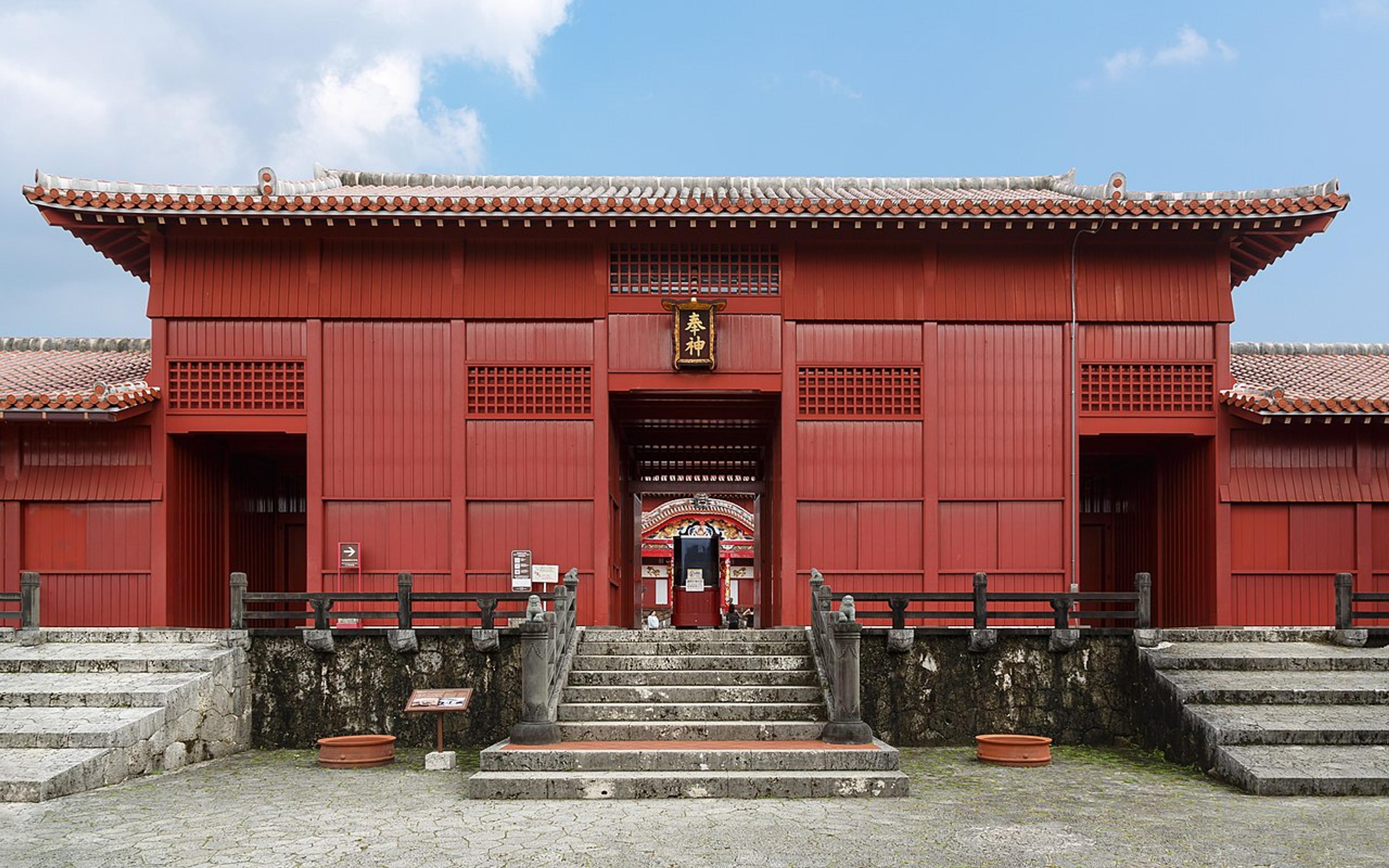
The reconstructed castle of the Ryukyu Kingdom sits on a hill above Naha, its vermillion walls and Chinese-influenced architecture marking it as distinctly non-Japanese. The original was destroyed in 1945, rebuilt, designated a World Heritage Site, destroyed again by fire in 2019, and is currently being rebuilt once more. The main hall reconstruction is ongoing, but the stone walls, gates, and underground royal tomb are accessible and worth the climb.
The Shureimon gate, with its inscription meaning "land of propriety," appears on the 2,000-yen note. The view from the castle grounds stretches across Naha to the East China Sea.
Tsuboya: The Potters' District
Tsuboya has been Naha's pottery quarter since 1682, when the Ryukyu Kingdom consolidated the island's kilns into this single district. The narrow lanes still hold working studios producing two styles: arayachi (unglazed utility ware) and joyachi (glazed decorative pieces).
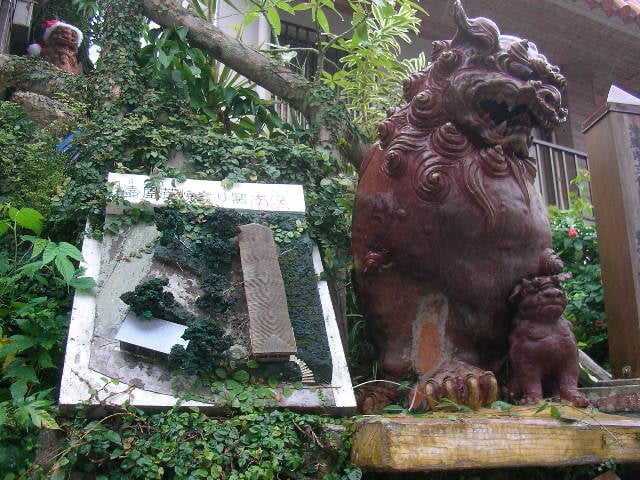
Walk Tsuboya Pottery Street slowly. The workshops are small and open to the street. Shisa lions, the Okinawan guardian figures that sit in pairs on rooftops across the island, are made here in every size and temperament. The Tsuboya Pottery Museum at the street's end provides context for the 340-year tradition.
Makishi Public Market
The heart of Naha's food culture. The ground floor is a wet market selling reef fish in improbable colors, cuts of Okinawan pork, tropical fruit, and island tofu. Choose your fish or meat downstairs, carry it upstairs, and the restaurants on the second floor will cook it for a small fee. This is how Naha has eaten for decades.
Okinawan pork appears as rafute (slow-braised belly), mimiga (pig ear, thinly sliced), and tebichi (pig trotter stew). The island also produces its own soba, thicker and straighter than mainland versions, served in a clear pork-and-bonito broth.
Kokusai-dori and Beyond
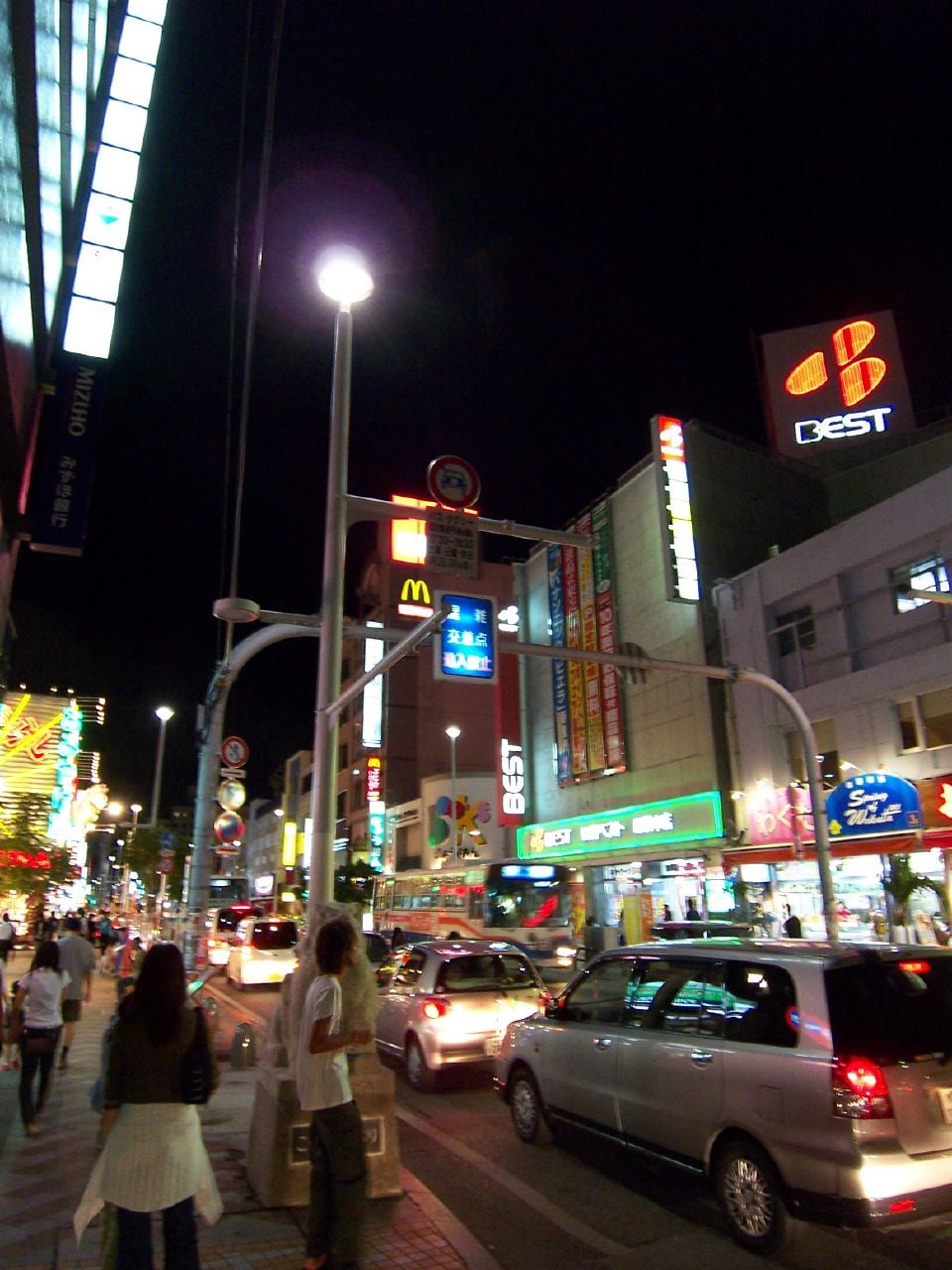
Kokusai-dori is Naha's main commercial strip, a kilometer of souvenir shops and restaurants. It is loud and useful. The side streets, especially the covered Heiwa-dori market arcade, are where the character lives.
Shikinaen Garden, the former royal retreat 15 minutes from Shuri Castle, is a Ryukyuan interpretation of Chinese garden design: a central pond, limestone paths, and a red-tile pavilion. It is quiet where Kokusai-dori is not.
The Beaches
Naha itself has Naminoue Beach, a strip of white sand beneath a cliff-top shrine. For serious reef snorkeling, head north. Bise Fukugi Tree Road on the Motobu Peninsula is a tunnel of fukugi trees, with the oldest specimens around 300 years old leading to a quiet shoreline. Churaumi Aquarium, one of the largest in the world, is nearby and worth the trip for the Kuroshio Sea tank alone.
Getting There
Direct flights from Tokyo (2h50), Osaka (2h20), Fukuoka (1h45). Naha's monorail runs from the airport to Shuri Station in 27 minutes; the castle is a 15-minute walk from there. For the northern beaches, rent a car or take highway buses from Naha Bus Terminal.
Turn this guide into a trip
We'll prioritize these 8 places when building your itinerary.