Hidden Gems of Kansai: Beyond Kyoto's Golden Pavilion
Blog · Kansai · 9 min
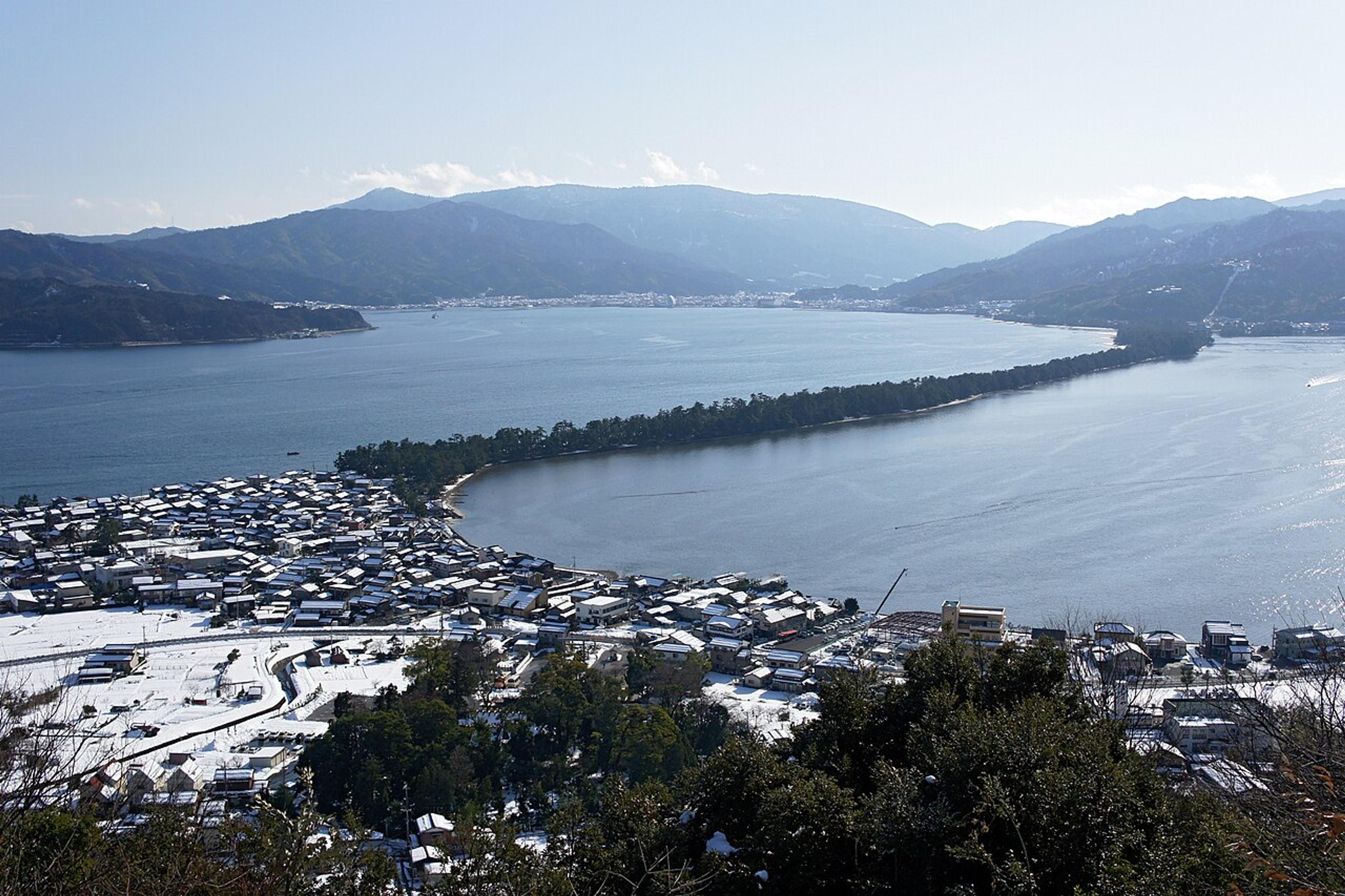
Photo: 663highland, CC BY 2.5.
Kansai has 115+ hidden gems beyond the tourist circuit. Here are the ones worth rearranging your itinerary for.
Koku Editorial · March 7, 2026
12 places in this guide
The Most Visited Region, Least Explored
Kansai gets more international tourists than any other region in Japan. Nearly all of them visit the same dozen sites, Fushimi Inari, Kinkaku-ji, Dotonbori, Nara's deer park. These places deserve their fame. But Kansai has over 115 locations tagged as hidden gems in our database, spread across Kyoto, Osaka, Nara, Kobe, and Otsu. The density of undiscovered quality here is staggering.
Otagi Nenbutsu-ji (Kyoto)
In the far western reaches of Arashiyama, past the point where tourists turn back, a narrow road climbs through bamboo and cedar. At the top sits Otagi Nenbutsu-ji, a temple populated by 1,200 stone rakan figures, each carved by a different volunteer between 1981 and 1991. They're whimsical, expressive, sometimes absurd. One holds a tennis racket. Another clutches a cat. Some are meditative, others grinning.
The temple itself nearly collapsed in the 1950s. A sculptor named Kocho Nishimura rebuilt it and invited ordinary people to carve the statues as a community act. The result is a sacred space with genuine humor, something rare in Kyoto's temple landscape. ¥300 entry. Twenty minutes past the bamboo grove crowds.
Honen-in (Kyoto)
Two minutes off the Philosopher's Path, through a thatched moss-covered gate, Honen-in feels like stepping through a portal. The outer grounds, free, open daily, feature twin sand mounds sculpted into seasonal patterns. Walk between them and you're symbolically purified.
The inner temple opens only during spring (April 1-7) and autumn special viewings. But the outer garden alone justifies the detour: a shallow reflecting pond, moss-covered stone lanterns, and near-total silence despite being steps from one of Kyoto's busiest walking paths.
Bible Club Osaka
Down a Shinsekai side street, behind an unmarked door, Bible Club Osaka is a cocktail bar inside a former church Sunday school room. The drinks are expertly crafted, the atmosphere is moody and warm, and the juxtaposition of stained glass with Japanese cocktail craft is unlike anything else in the city.
It's not secret, locals know it well, but it rarely appears in tourist guides. Cocktails run ¥1,200-1,800. No cover charge. Open evenings only. The bartenders speak enough English to guide you through the menu.
Bible Club is in Shinsekai, south of Tsutenkaku Tower. Look for the small sign at street level. If you find the church building, you've found it. No reservation needed on weekdays.
Hoshida Park Suspension Bridge (Katano)
Thirty minutes from central Osaka by train, Hoshida Park has a 280-meter pedestrian suspension bridge strung between two forested hilltops. The bridge sways gently as you cross, 50 meters above the valley floor. On clear days you can see Osaka's skyline in the distance.
The park itself has excellent hiking trails through old-growth forest. A round trip from the parking area to the bridge and back takes about 90 minutes. Free entry. Almost entirely domestic visitors.
Daisen Kofun (Sakai)
The world's largest tomb by area is not in Egypt, it's in Sakai, 20 minutes south of Osaka. Daisen Kofun is a 5th-century keyhole-shaped burial mound attributed to Emperor Nintoku. At 486 meters long, it's larger than the Great Pyramid of Giza. You can see the shape from aerial photos, but at ground level it looks like an enormous forested hill surrounded by three moats.
The surrounding park is free, peaceful, and largely empty. There's a small museum nearby (¥200) that explains the kofun burial culture. UNESCO World Heritage since 2019, yet still barely on the tourist radar.
Funaoka Onsen (Kyoto)
Kyoto's sento (public bath) culture is quietly thriving while tourists flock to ryokan onsen. Funaoka Onsen, in the Kita ward, is the most beautiful sento in the city, built in the 1920s with carved wooden interiors, ceramic tilework, and a small outdoor rock bath. The changing room alone is worth the visit: ornate wood carvings of Japanese landscapes.
Admission is ¥490. Bring your own towel and soap, or buy them for ¥100-200. It's a neighborhood bath, not a luxury experience, which is exactly the point.
Wash thoroughly at the shower station before entering any bath. Tattoos are generally accepted at sento (unlike onsen resorts). Small towels can go on your head but never in the water.
The Pattern
Kansai's hidden gems share a trait: they're usually within 30 minutes of a major tourist site but just far enough off the standard route that the crowds thin to nothing. A 20-minute walk past the Arashiyama bamboo grove. One train stop past Nara Park. The next neighborhood over from Dotonbori. The best of Kansai is hiding in plain sight.
Featured in this guide
Places to Visit

Turn this guide into a trip
We'll prioritize these 12 places when building your itinerary.