Beyond Naha: Okinawa's Island Paradises
Top Picks · naha · 8 min
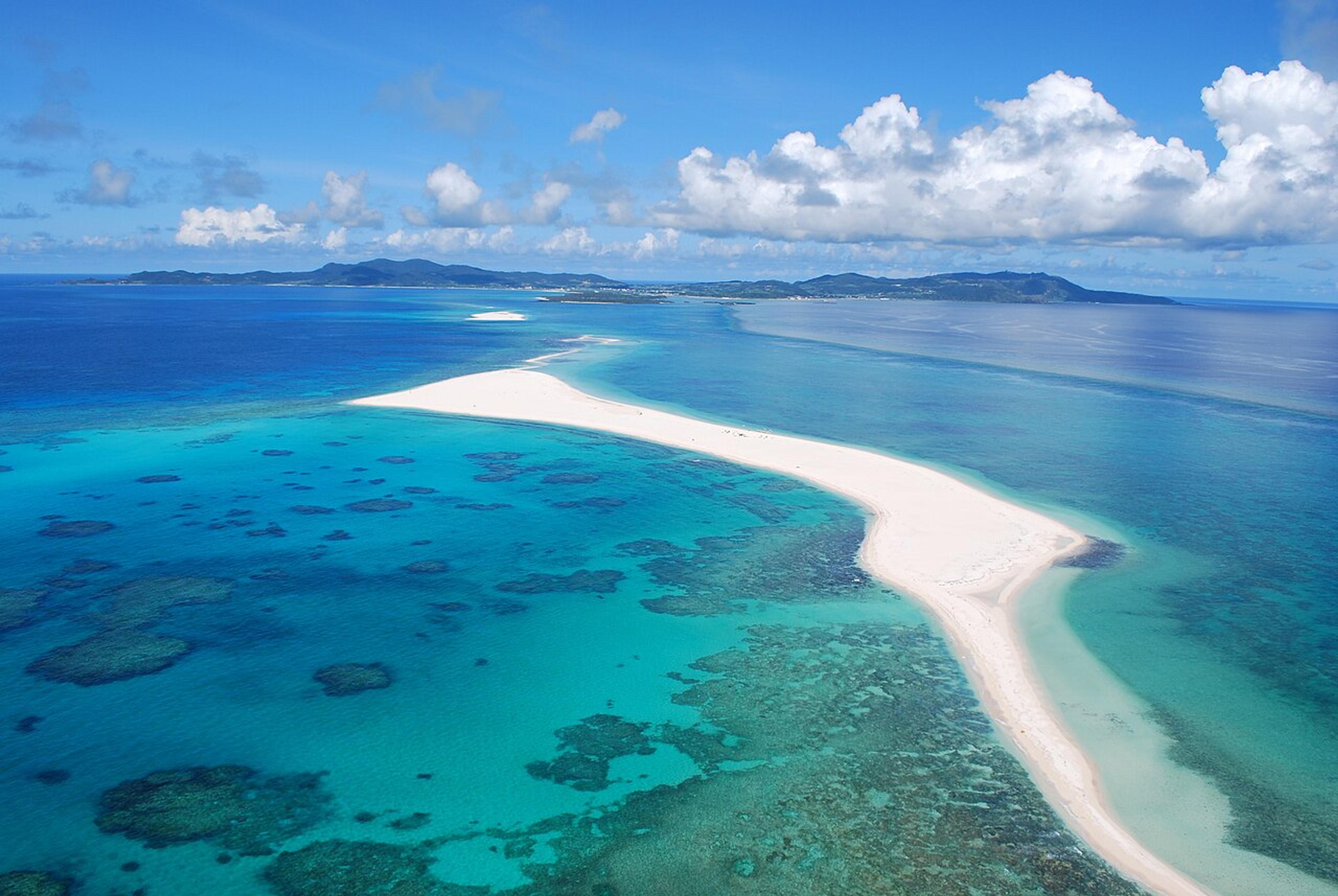
Photo: Kumejima93_OKINAWA, CC BY 4.0.
The best of Okinawa lies beyond the main island: Kerama's crystal waters, Miyako's beaches, Iriomote's jungles, and Taketomi's stone-walled villages.
Yuku Japan · February 15, 2026
9 places in this guide
The Outer Islands
Naha is where most Okinawa trips begin and end. International Street, Shuri Castle, the pork-and-soba comfort food, it is a fine city, distinctly un-Tokyo in rhythm and flavor. But the Okinawa of tropical reputation is scattered across dozens of outer islands, reachable by short flights or ferries from the main island.
Each island group has its own character. The Kerama Islands, just 30 minutes by fast ferry from Naha, offer some of the clearest water in the world. The Miyako Islands, 300 kilometers southwest, have beaches that routinely rank among Asia's best. Iriomote, in the far Yaeyama group, is 90% covered in subtropical jungle. And tiny Taketomi Island preserves a traditional Ryukyuan village of coral stone walls and red-tile roofs where water buffalo pull carts along sandy lanes.
Kerama Islands
The Kerama archipelago, Zamami, Tokashiki, and Aka being the main inhabited islands, was designated a national park in 2014, primarily for its marine environment. The water clarity here is measured at 50-60 meters visibility, which places it among the clearest ocean water on earth. The reef systems support over 250 species of coral and the waters are a breeding ground for humpback whales in winter.
Zamami Island is the most accessible and offers the best balance of infrastructure and natural beauty. Furuzamami Beach, on the island's south side, has snorkeling straight off the sand into coral gardens where sea turtles graze on seagrass. The turtles are habituated to snorkelers and will swim within arm's reach, though touching them is strictly prohibited.
Take the first ferry from Naha (Queen Zamami, departs 9 AM, arrives 9:50 AM) to maximize your time on the island. The last return ferry departs at 4 PM. For a day trip, this gives you six hours, enough for snorkeling, lunch at a beachside shack, and a walk to the hilltop observatory.
Miyako Islands
Miyako-jima is the main island of the Miyako group, connected by bridges to the smaller islands of Irabu, Shimoji, Ikema, and Kurima. The landscape is flat, no mountains, no rivers, which makes the beaches the undisputed main attraction. Yonaha Maehama, a seven-kilometer sweep of white sand, is frequently cited as the most beautiful beach in Japan.
The water off Miyako is warmer and calmer than the Kerama waters, with reef systems that begin just meters from shore. Shigira Beach and Yoshino Beach offer some of the best shore-entry snorkeling in the Pacific. The lack of rivers means no sediment runoff, which is why the water clarity rivals the Kerama despite the larger island population.
Miyako has dramatically more affordable accommodation than the main Okinawa island. Guesthouses run ¥3,000-5,000 per night, and local restaurants serve Okinawan set meals for ¥800-1,200. The expensive part is getting there, flights from Naha are ¥8,000-15,000 one way, but booking 28 days ahead can halve the fare.
Iriomote Island
Iriomote is the second largest island in Okinawa Prefecture but has a population of only 2,400. The rest of the island belongs to the jungle, subtropical forest so dense and mountainous that much of the interior has never been surveyed on foot. The Iriomote wildcat (yamaneko), found nowhere else on earth, lives in this forest, though sightings are extraordinarily rare.
The main activities on Iriomote are water-based: kayaking through mangrove-lined rivers, hiking to jungle waterfalls (Pinaisara Falls, accessible only by kayak and trail, drops 55 meters into a river pool), and snorkeling the Barasu Island coral cay, a tiny island made entirely of broken coral fragments that shifts shape with the currents.
Iriomote's small population includes communities that maintain traditional Yaeyama culture, including the harvest festival rituals and distinctive Yaeyama folk music (known for its bright, uptempo rhythms distinct from Okinawan main island music). The Sonai and Funaura villages have small museums and craft workshops.
Taketomi Island
Taketomi is a ten-minute ferry ride from Ishigaki and feels like stepping into a preserved past. The entire village is designated a Preservation District for Groups of Traditional Buildings, coral stone walls, red-tile roofed houses, sandy lanes, and bougainvillea cascading over every wall. Water buffalo carts, driven by guides who sing traditional songs, carry visitors along the main routes.
The island is small enough to walk around in two hours or cycle in forty minutes. Kaiji Beach, on the south side, is famous for its star-shaped sand grains, actually the exoskeletons of tiny marine organisms called foraminifera. Kondoi Beach offers calm, shallow water for swimming. The entire island radiates a pace of life that the Japanese call 'Okinawa time', unhurried, warm, and resistant to the mainland's urgency.
Stay overnight on Taketomi. Most visitors come as day-trippers from Ishigaki and leave by 4 PM. The island after the last ferry is a different place, quiet, intimate, and lit by some of the darkest skies in Japan. Several minshuku (family-run inns) offer dinner featuring island-grown produce and local Yaeyama soba.
Featured in this guide
Places to Visit

Turn this guide into a trip
We'll prioritize these 9 places when building your itinerary.