Aizu: Last Stand of the Samurai
Deep Dive · aizuwakamatsu · 9 min
Aizu-Wakamatsu carries the weight of samurai loyalty: a castle besieged, teenage warriors lost, sake traditions enduring, and a post town frozen in the Edo period.
Yuku Japan · February 16, 2026
9 places in this guide
The Loyal Domain
Aizu-Wakamatsu is a city that carries its history like a wound that never fully closed. During the Boshin War of 1868, the Aizu domain fought on the losing side, defending the Tokugawa shogunate against the imperial forces that would create modern Japan. The month-long siege of Tsuruga Castle, the mass suicide of the teenage Byakkotai warriors, and the domain's brutal treatment after surrender left scars that Aizu still identifies with today. The city's motto, 'Naranu mono wa naranu' (What must not be done, must not be done), is taken from the Aizu samurai code and remains the ethical backbone of the community.
But Aizu is far more than its tragic history. Western Fukushima Prefecture, where the city sits in a broad basin surrounded by mountains, is one of Japan's great sake-producing regions, with mineral-rich water and cold winters that create ideal brewing conditions. The nearby post town of Ouchi-juku preserves a stretch of Edo-period Japan that rivals any in the country. And Kitakata, 20 minutes north, has developed a ramen culture so devoted that locals eat it for breakfast.
Tsuruga Castle and the Siege
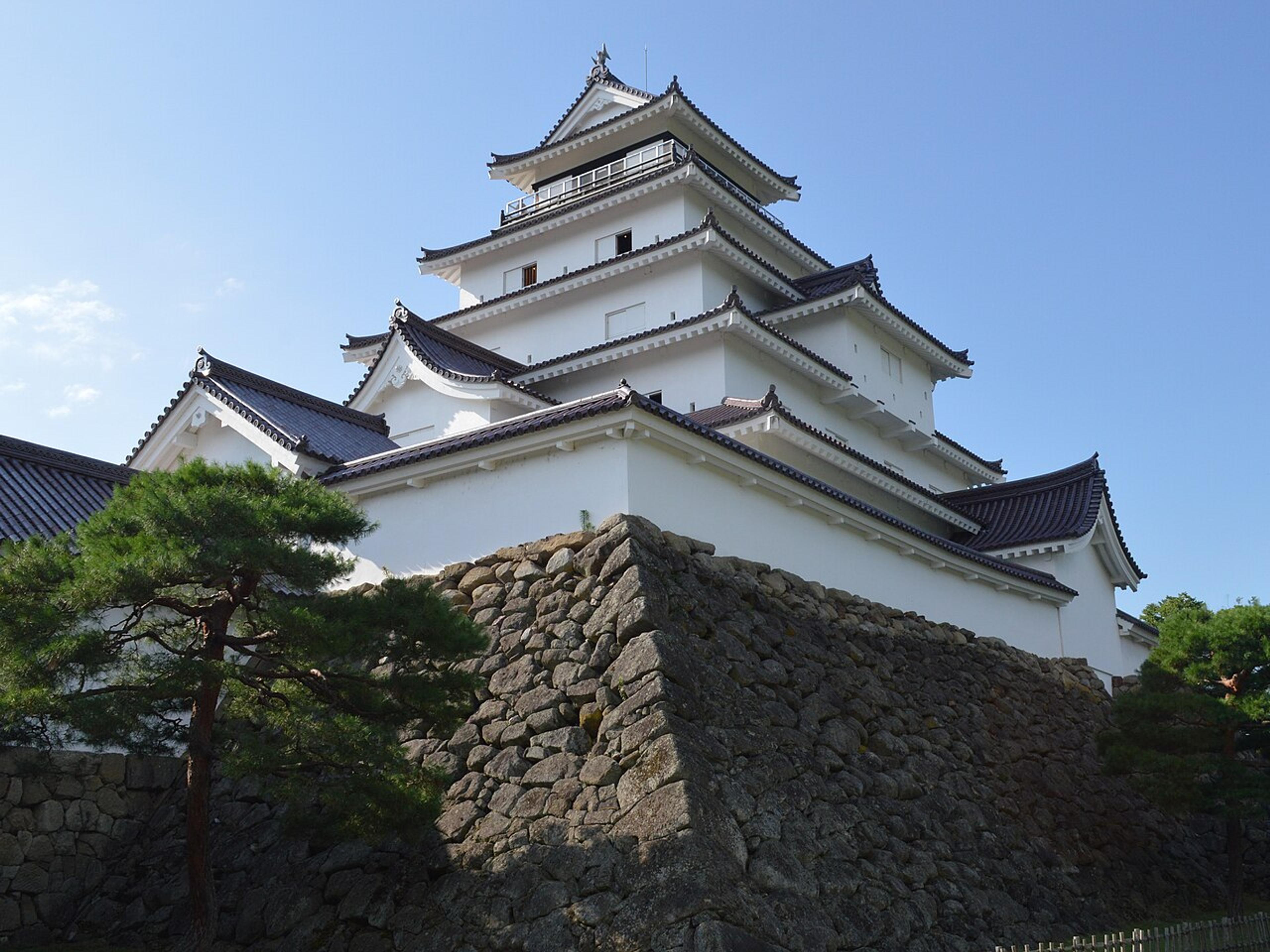
Tsuruga Castle (Tsuruga-jo, also called Aizu-Wakamatsu Castle) is one of the most historically significant castles in Japan. The current structure is a 1965 concrete reconstruction of the original, but the stone walls, moats, and grounds are original, massive Cyclopean masonry that withstood a month of cannon bombardment in 1868. The castle was re-roofed with traditional red tiles in 2011, restoring its distinctive appearance as the only red-roofed castle in Japan.
The castle museum inside tells the story of the Boshin War siege in unflinching detail. Display cases hold the actual weapons, armor, and personal effects of the defenders. Photographs (some of the earliest war photography in Japan) show the castle after the bombardment, walls pocked, towers shattered, but the main keep still standing. The story of Aizu's women warriors, Nakano Takeko, who led a female combat unit called the Joshigun, and the women of the Saigo family who chose death over capture, is given particular emphasis.
The castle grounds include the Rinkaku tea garden, a serene Edo-period tea house built for the Aizu lord's private use. Tea ceremony sessions (¥600 with matcha and sweet) are conducted in the original building overlooking a pond garden. After the intensity of the castle museum, the tea garden provides a contemplative counterpoint, the refinement that existed alongside the martial culture.
The Byakkotai: Teenage Warriors
The most emotionally devastating episode of the Aizu war is the story of the Byakkotai, the White Tiger Corps, a unit of teenage samurai aged 15 to 17. During the siege, a group of 20 Byakkotai members became separated from the main force and retreated to Iimori Hill, east of the city. From the hilltop, they saw smoke rising from the direction of Tsuruga Castle and, believing the castle had fallen, chose collective ritual suicide rather than surrender. In fact, the castle still stood, the smoke came from burning buildings in the town.
The Byakkotai graves on Iimori Hill are among the most visited memorial sites in Tohoku. Nineteen of the twenty died (one survived, discovered by a passing samurai). Their graves are set in a row on the hilltop, each marked by incense and flowers left by visitors. A monument donated by Mussolini's Italy in 1928, recognizing the Byakkotai's loyalty as aligned with fascist ideals of martial sacrifice, adds an uncomfortable historical layer. A small museum near the graves displays the teenagers' personal effects: letters, poems, and the short swords with which they died.
Iimori Hill involves a steep climb of about 180 steps. An escalator (¥250) covers part of the ascent for those with mobility concerns. The site is emotionally intense, these were children, and the display of their personal effects does not soften this reality. Visitors should be prepared for a genuinely affecting experience.
Aizu Sake Breweries
Aizu-Wakamatsu has nine sake breweries within the city limits, and the wider Aizu region has over 30, a density that rivals Niigata and Nada. The region's sake benefits from mineral-rich groundwater filtered through volcanic rock, cold winters that slow fermentation to a crawl, and a local rice variety (Miyamanishiki) that polishes cleanly for premium daiginjo production. Aizu sake tends toward a rounder, more umami-rich profile than Niigata's famously dry style.
The most visitor-friendly brewery is Suehiro Shuzo, a 10-minute walk from Tsuruga Castle. Founded in 1850, Suehiro offers free guided tours of its traditional wooden kura (brewery buildings), including the koji room and fermentation hall where massive cedar tanks bubble with active fermentation in winter. The tasting room pours the full range, from crisp honjozo to fragrant junmai daiginjo. The attached cafe serves sake-kasu (lees) cheesecake and sake ice cream, both better than they sound.
Most Aizu breweries offer free tours and tastings without reservation during business hours. A self-guided sake walk connecting Suehiro, Miyaizumi, and Aizu Homare can be done in a half-day on foot. Bottles at the brewery shops cost ¥1,200-2,800 for premium grades, 30-40% less than Tokyo retail. The annual Aizu Sake Matsuri in February offers tastings from all regional breweries for ¥3,000.
Ouchi-juku: The Thatched Post Town
Ouchi-juku, 30 minutes south of Aizu-Wakamatsu by car, is one of the best-preserved post towns on the old Shimozuke Kaido route that connected Aizu to Edo (Tokyo). The single main street is lined with over 30 thatched-roof buildings, former inns, merchants' houses, and workshops, that have been maintained or restored to their Edo-period appearance. The entire street is car-free and unpaved, the rooflines creating a corridor of thatch against the mountain backdrop.
The town's signature dish is negi-soba, buckwheat noodles eaten with a single long Welsh onion used as both chopstick and condiment. You bite the onion between slurps of noodle, the sharp allium cutting through the earthy buckwheat. It is absurd, theatrical, and surprisingly effective. Several shops along the main street serve it for ¥1,100-1,300, and watching other diners attempt the technique is half the entertainment. Beyond the noodles, the town sells traditional crafts, particularly lacquerware and candles made by hand in workshops visible from the street.
Ouchi-juku is photogenic year-round but reaches its peak in winter when heavy snow blankets the thatched roofs and the Snow Festival (early February) lines the street with snow lanterns. The summer version is green and lush but crowded on weekends. Weekday visits in any season are significantly more peaceful. The town is accessible by car or by the Aizu Railway to Yunokami-Onsen Station, then a 15-minute taxi ride.
Featured in this guide
Places to Visit

Turn this guide into a trip
We'll prioritize these 9 places when building your itinerary.