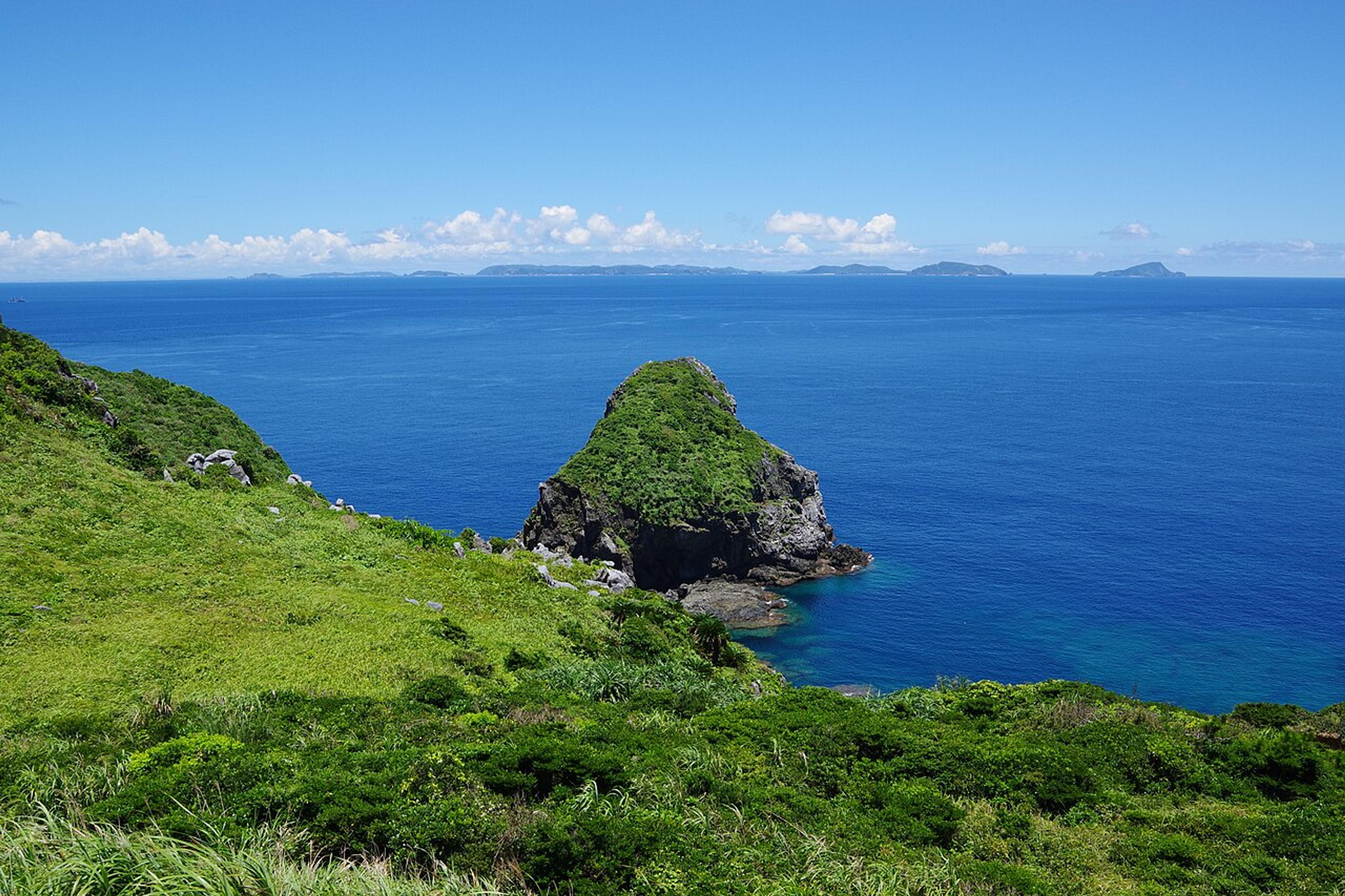
Okinawa's spiritual heart lives in sacred groves, subtropical forests with species found nowhere else, and pristine dive islands far from the resorts.
Yuku Japan · February 15, 2026
7 places in this guide
Okinawa occupies a strange position in the Japanese travel imagination. Most visitors experience it as a beach resort destination, the hotels along the west coast of the main island, the aquarium, the American military base towns. This version of Okinawa is real, but it is a narrow slice of a place with 450 years of independent Ryukyuan history, a spiritual tradition distinct from mainland Shinto and Buddhism, and ecological diversity found nowhere else in Japan.
The places below represent the other Okinawa, the one that exists north of the resort strip, on outer islands, and in sacred spaces that predate Japanese sovereignty.
Sefa Utaki
The most sacred site of the Ryukyu Kingdom, Sefa Utaki is a UNESCO World Heritage grove on the southeastern coast of Okinawa's main island. This was where the highest priestess of the kingdom was inaugurated, not in a building, but in a natural formation of limestone rocks, ancient trees, and filtered light. The site's centerpiece is Sangui, a triangular tunnel formed by two massive leaning rocks that frames a view of Kudaka Island, the island where the creator deity Amamikiyo is said to have first descended from heaven.
Sefa Utaki has no architecture. No statues. No gates. The sacred space is the landscape itself, rocks, roots, and the particular quality of silence in a subtropical grove. This is Ryukyuan spirituality in its most essential form: utaki (sacred groves) were sites of worship long before the Ryukyu Kingdom formalized its religion. Visitors are asked to approach quietly and stay on the marked paths. Photography is permitted in most areas but feels intrusive.
The site is about 50 minutes by bus from Naha Bus Terminal to Sefa Utaki-mae bus stop, then a 10-minute walk.
Yanbaru Forest
A 174-square-kilometer UNESCO Natural World Heritage subtropical wilderness in northern Okinawa. Yanbaru is home to endemic species found nowhere else on Earth, most famously the Okinawa rail (yanbaru kuina), a flightless bird discovered by science only in 1981. The forest also shelters the Okinawa woodpecker, the Ryukyu long-haired rat, and the Ishikawa frog, all endemic.
The Yanbaru area begins roughly north of Nago and extends to Cape Hedo at Okinawa's northern tip. The landscape shifts dramatically from the resort coast, steep ridges covered in dense subtropical canopy, rivers running through fern gullies, almost no development. Night tours with local guides are the best way to see wildlife, the Okinawa rail and many other endemic species are nocturnal. Hiji Falls, a 26-meter waterfall reached by a 1.5-kilometer forest trail, is one of the accessible highlights.
The forest is about 2 hours by car from Naha. No public transit reaches the interior.
Kudaka Island
The "Island of the Gods", a small, flat coral island visible from Sefa Utaki. In Ryukyuan creation mythology, Kudaka is where the deity Amamikiyo first descended from heaven to create the islands. The island has no resort development, no large hotels, no gift shops. A fishing village, quiet sacred groves, and white coral beaches define the experience.
Collecting anything from the island, rocks, shells, plants, sand, is strictly forbidden, enforced by both local custom and formal regulation. This prohibition reflects the spiritual significance of the place: everything on Kudaka belongs to the gods. Rental bicycles are available at the port and are the best way to get around the island, which takes about two hours to circuit.
Ferries run from Azama Port (25 minutes by high-speed boat, 3 to 4 departures daily), which is 50 minutes by bus from Naha. Day trips are feasible but check the ferry schedule carefully, missing the last boat means an unplanned overnight.
Daisekirinzan
Okinawa's oldest geological formation sits in the far north of the main island, near Cape Hedo. Bizarre karst limestone pinnacles, some over 200 million years old, rise from subtropical forest like the ruins of an alien civilization. The site holds a 60,000-strong cycad colony and Japan's largest Chinese banyan tree, a gnarled mass of aerial roots that appears to be slowly consuming the limestone around it.
Four walking trails of varying length thread through the formations, which are designated sacred by Ryukyu creation myths. The longest trail takes about 90 minutes. The landscape has a quality that photographs struggle to convey, the scale of the pinnacles against the tropical vegetation creates an environment that feels genuinely prehistoric.
Daisekirinzan is about 2 hours by car from Naha, near the village of Kunigami. The road north from Nago runs through the Yanbaru forest and is worth the drive in itself.
Zamami Island
One of the Kerama Islands, about 50 minutes by high-speed ferry from Tomari Port in Naha. The Kerama archipelago was designated a national park in 2014 for its extraordinary marine environment, the water here is called "Kerama Blue" for its clarity, with visibility regularly exceeding 30 meters. Zamami offers exceptional snorkeling directly from the beach (Furuzamami Beach is the standout), whale watching from January through March when humpbacks breed in the warm waters, and kayak access to uninhabited satellite islets.
Sea turtle encounters while snorkeling are common, not guaranteed, but regular enough that the dive shops barely mention them. The island has a small village, a few guesthouses and minshuku, and several beaches. It is the kind of place where the biggest decision of the day is which beach to visit.
High-speed ferries run twice daily from Naha's Tomari Port (50 minutes, 3,200 yen). Standard ferries take 2 hours but cost half the price. Book the high-speed ferry in advance during summer and holidays.
Getting Around
Okinawa's main island has no rail system (the Yui Rail monorail covers Naha only). A rental car is essential for Yanbaru and Daisekirinzan. Sefa Utaki is reachable by bus. Kudaka and Zamami require ferries. For the outer islands, check ferry schedules carefully, cancellations due to weather are common, especially during typhoon season (June through October). The best months for Okinawa travel are March through May and October through November, warm water, fewer typhoons, lower humidity, and off-peak pricing.
Turn this guide into a trip
We'll prioritize these 7 places when building your itinerary.