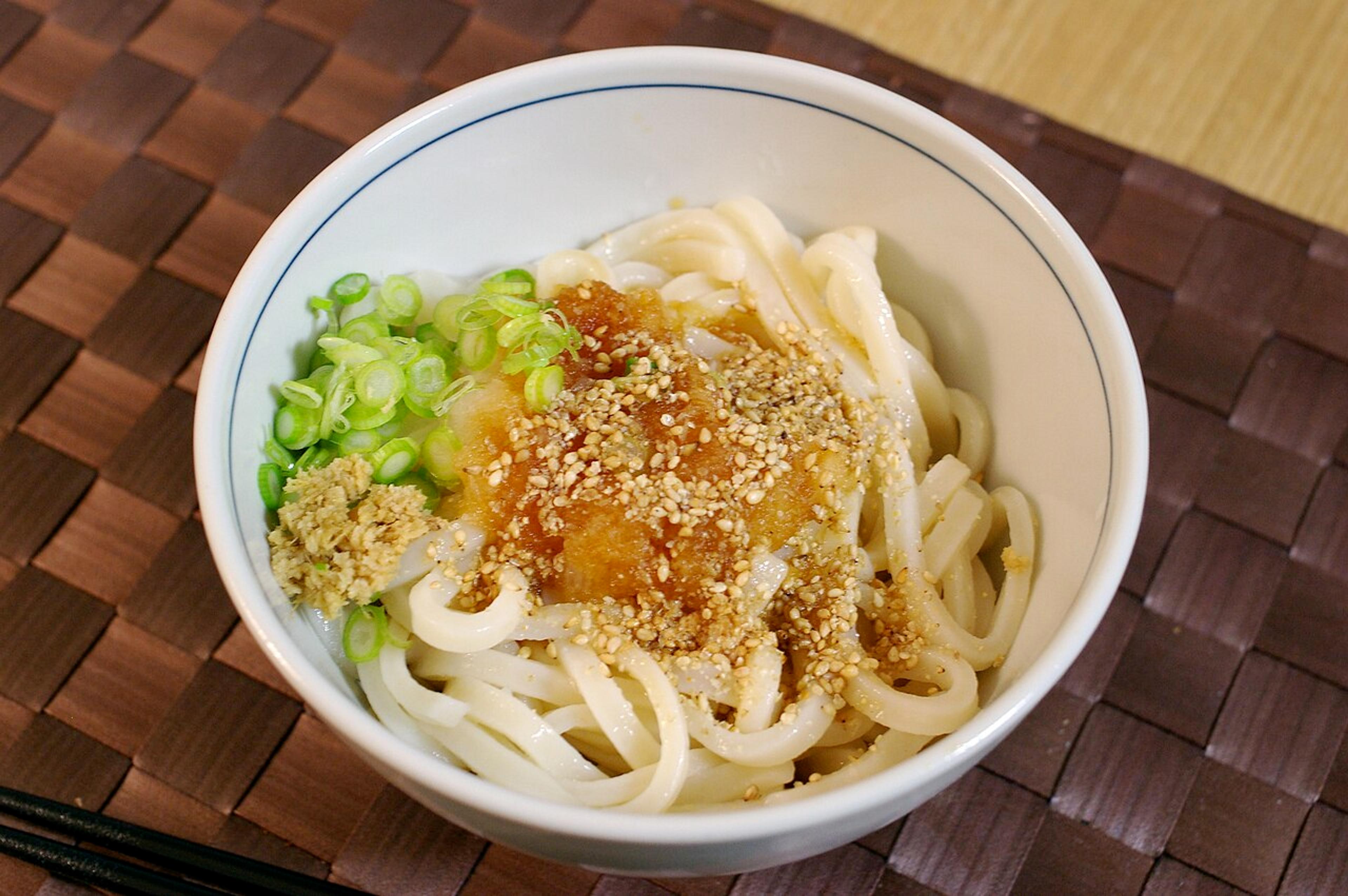
Buckwheat soba holds the cold north; thick udon rules the southwest. A route through Japan's noodle regions, from Sanuki udon country to Morioka's three great noodles.
Koku Editorial · May 25, 2026
6 places in this guide
Soba and udon divide Japan as clearly as any food. Buckwheat soba holds the cold north and the mountains; thick wheat udon rules the warm southwest, above all Shikoku. Here is a route through the noodle regions, with a known shop for each.
Soba versus udon
Soba is buckwheat: thin, nutty, served hot in broth or cold with a dipping sauce. Udon is wheat: thick, chewy, usually in a lighter dashi. Geography splits them: soba dominates Nagano, Tohoku, and the cold uplands; udon dominates Kagawa and the southwest. Both are fast, cheap, and everywhere, which makes them the traveler's reliable meal.
Kagawa: Sanuki udon country
Kagawa, the old Sanuki province, is Japan's udon heartland, with more udon shops per head than anywhere else and a self-serve culture where you ladle your own broth. The firm, square-edged Sanuki noodle is the standard the rest of the country measures against. The prefecture is small enough to build a half-day udon crawl around Takamatsu.
Morioka: the three great noodles
Morioka holds three noodle traditions at once, the city's "three great noodles": wanko soba, served in endless bite-size bowls a server keeps refilling until you stop them; reimen, a chilled noodle with Korean roots; and jajamen, flat noodles under a meat-and-miso sauce with Chinese roots. Azumaya near the station runs the full wanko soba ritual, and Ando is a local pick for reimen. The trio makes Morioka a noodle destination in itself.
Nagano: highland soba
Nagano's cool climate and clean water make it prime soba country, and the area around Togakushi, north of Nagano city, is one of the most famous soba districts in Japan, its noodles tied to the shrine pilgrimage there. Mountain soba is best in the cold months; pair a bowl with a Togakushi or Zenkoji visit.
Kyoto: refined udon
Kyoto runs a softer, more refined noodle tradition. Okakita near Nanzenji is known for kamatama udon, the noodles bound with a silky egg-drop broth, a calm lunch on a temple walk. The Kyoto style is gentler than Sanuki's firm bite, in keeping with the city's lighter palate.
Okinawa: a noodle of its own
Okinawa soba is neither buckwheat nor mainland udon: a thick wheat noodle in a pork-and-bonito broth, usually topped with stewed pork. Eibun in Naha gives it a design-minded treatment; Takara Shokudo serves the cartilage-pork version in a no-frills room. It is the island's everyday bowl and unlike anything on the mainland.
How to eat noodles well
A few notes. At self-serve Sanuki shops you choose your size, add toppings, and pour your own broth, so watch the regulars once before you start. Slurping cools the noodle and is expected. Soba is best fresh and seasonal, often better in cooler months; udon holds year-round. And the local style is the order: Sanuki firm in Kagawa, soft in Fukuoka, refined in Kyoto.
Turn this guide into a trip
We'll prioritize these 6 places when building your itinerary.