Ainu Heritage, Up Close
Deep Dive · shiraoi · 9 min
Ainu heritage through the Upopoy museum, Lake Akan's Kotan village, craft workshops, Ainu cuisine, and the complex politics of indigenous recognition in Japan.
Yuku Japan · February 16, 2026
10 places in this guide
The First People of Hokkaido
The Ainu are the indigenous people of Hokkaido, Sakhalin, and the Kuril Islands, a distinct ethnic group with their own language, spiritual practices, oral literature, and material culture that predates Japanese settlement of Hokkaido by thousands of years. For most of modern Japanese history, Ainu culture was suppressed, their language banned in schools, their land confiscated, and their identity treated as an embarrassment by a nation that preferred to consider itself ethnically homogeneous.
That narrative is changing. In 2019, Japan formally recognized the Ainu as an indigenous people for the first time. In 2020, the National Ainu Museum and Park (Upopoy) opened in Shiraoi, Hokkaido, a ¥20 billion investment that signals a national reckoning, however belated, with the treatment of the Ainu. This guide traces the cultural landscape from Upopoy to the living Ainu communities around Lake Akan, where artisans, performers, and activists are shaping what Ainu identity means in the 21st century.
Upopoy: The National Ainu Museum
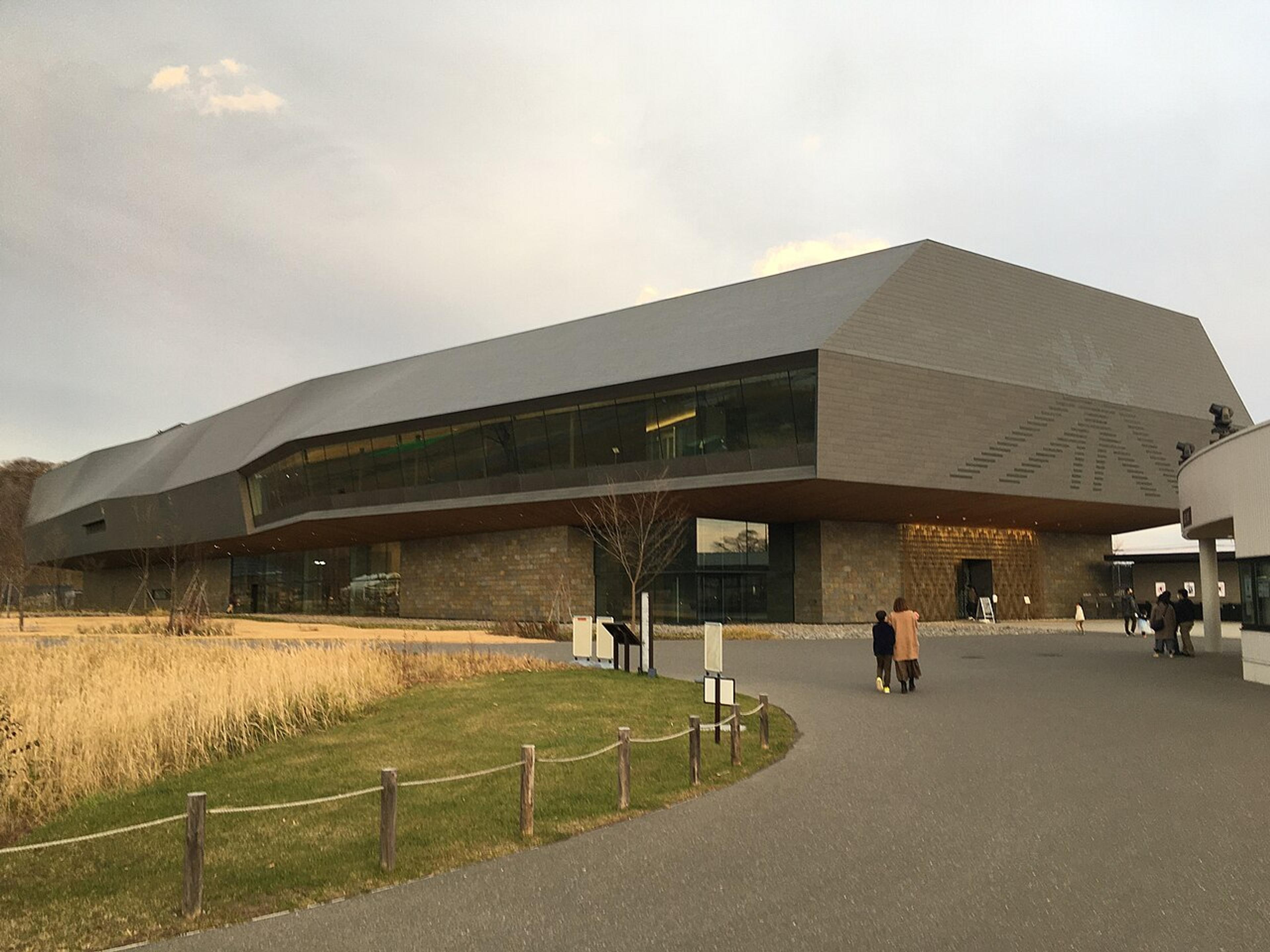
Upopoy occupies a lakeside site in Shiraoi, about 60 minutes south of Sapporo by JR limited express. The complex includes the National Ainu Museum (the first national museum dedicated to Ainu culture), a reconstructed traditional Ainu kotan (village), performance spaces, workshops, and extensive grounds along the shore of Lake Poroto. The museum building itself is striking, a low, angular structure clad in dark wood that echoes the form of a traditional chise (Ainu house) while being unmistakably contemporary.
The museum's permanent exhibition traces Ainu history from the Jomon period through colonization, forced assimilation, and the modern cultural revival. The presentation is honest about the damage done, land seizure, language suppression, the 1899 'Former Aborigines Protection Act' that formalized discrimination, while centering Ainu voices throughout. Video testimonials from elders, recordings of the Ainu language (classified as critically endangered by UNESCO, with fewer than 10 native speakers remaining), and contemporary art installations by Ainu artists give the exhibition an emotional weight that purely historical displays lack.
The traditional Ainu dance performances at Upopoy run several times daily in the dedicated theater. The dances, including the crane dance (sarorunrimse), sword dance, and the circle dance (upopo), are performed by members of the local Ainu community, not actors. The performances are living cultural practice, not reenactment.
Lake Akan Ainu Kotan
While Upopoy is a national institution, the Ainu Kotan at Lake Akan in eastern Hokkaido is a living community. About 120 Ainu residents live and work in a cluster of craft shops, restaurants, and cultural spaces along the lake shore. The community has existed here for generations, and unlike museum villages, it operates as a functioning neighborhood where people live above their workshops and children walk to school past totem-like wooden sculptures.
The woodcarving tradition is the kotan's anchor. Ainu woodcarving uses local birch, walnut, and elm, carved with distinctive curvilinear patterns (morew) that represent spiritual concepts. The patterns are not decorative, each design carries meaning related to the natural and spiritual world. The best carvers in the kotan produce work that commands serious collector prices, and watching them work, the slow, precise knife strokes, the grain of the wood determining the curve of the pattern, is itself a form of cultural transmission.
Visit the Ikor theater at Lake Akan Kotan for the evening Ainu traditional dance performance (¥1,200, nightly at 9 PM). The intimate theater seats about 100 people and the proximity to the performers, some within arm's reach, creates an intensity that the larger Upopoy venue cannot replicate. The lost-fire ceremony (performed on select dates) is particularly powerful.
Ainu Cuisine: Forgotten Flavors
Ainu food culture is built on what Hokkaido's landscape provides: salmon, deer, wild plants, and grains. The cuisine was nearly lost during the assimilation period, when Ainu families were pressured to adopt Japanese food practices. In the past two decades, a small group of Ainu cooks and food researchers has been reconstructing traditional recipes from oral histories, elder memories, and ethnographic records.
At Poronno, a restaurant in the Lake Akan Kotan, chef Hiroshi Kosaka serves contemporary interpretations of Ainu dishes. Ohaw, a hearty soup of salmon, root vegetables, and wild herbs, is the foundational dish, served in a carved wooden bowl. Venison (yuk) is prepared with pukusa (wild garlic that grows prolifically in Hokkaido's forests), and rataskep, a traditional mash of beans, squash, and grain, appears as a side dish. The flavors are earthy, direct, and deeply tied to place. A full meal runs ¥2,500-3,500 per person.
Outside the Lake Akan restaurants, Ainu-influenced food appears at several Sapporo venues. Harukor in Sapporo's Susukino district serves Ainu-inspired set meals for ¥1,200-1,800. The Upopoy museum cafe offers simpler Ainu dishes (ohaw soup sets for ¥900-1,200) made with ingredients sourced from the surrounding area.
The Politics of Recognition
Japan's 2019 recognition of the Ainu as indigenous people was a milestone, but Ainu activists point to what the legislation lacks: it contains no apology for historical injustices, no land rights provisions, and no framework for self-governance. The Ainu population, estimated at 25,000-50,000 (though many more have Ainu ancestry but do not identify publicly), faces ongoing discrimination in employment and housing. Language revitalization programs exist but are chronically underfunded, Ainu language classes at Hokkaido University enroll fewer than 20 students per year.
Upopoy itself is contested within the Ainu community. Some view it as a genuine step toward recognition; others see it as a government-controlled narrative that sanitizes history and commodifies culture for tourism. The tension is productive, it pushes the conversation beyond simple celebration toward uncomfortable questions about what indigenous recognition actually requires. Visitors who engage with these questions, rather than treating Ainu culture as a museum curiosity, contribute to a dialogue that Ainu communities want to have.
The Ainu cultural revival includes contemporary art, music, and literature. The band Marewrew performs traditional Ainu songs reimagined with contemporary arrangements. The manga 'Golden Kamuy' (2014-2022) brought Ainu culture to a mainstream Japanese audience for the first time. The Sapporo International Art Festival has featured Ainu artists prominently since 2017.
Planning the Trip
A meaningful Ainu heritage trip requires at least three days: one day at Upopoy in Shiraoi (accessible from Sapporo by JR limited express, 65 minutes, ¥4,490), one to two days at Lake Akan Kotan (4.5 hours from Sapporo by car, or fly to Kushiro and drive 90 minutes). Spending a night at Lake Akan lets you attend the evening performance and walk the kotan in the early morning before tourist buses arrive.
Upopoy's admission is ¥1,200 for adults, with workshops (woodcarving, embroidery, cooking) available for an additional ¥500-1,000 each. Book workshops online in advance, popular sessions fill weeks ahead. The museum audio guide (¥500) includes commentary in Ainu language with Japanese and English translation, adding a linguistic dimension that the visual exhibition alone cannot convey.
Photographing Ainu artisans at work in the Lake Akan Kotan is welcome in most shops, but always ask first. Some spiritual ceremonies and certain sacred objects must not be photographed. The evening dance performance permits photography but not video recording. Respect these boundaries, they exist because certain cultural practices carry spiritual weight that documentation can diminish.
Featured in this guide
Places to Visit
Turn this guide into a trip
We'll prioritize these 11 places when building your itinerary.