Hidden Gems of Kanto: Tokyo's Quieter Side and Beyond
Blog · Kanto · 9 min
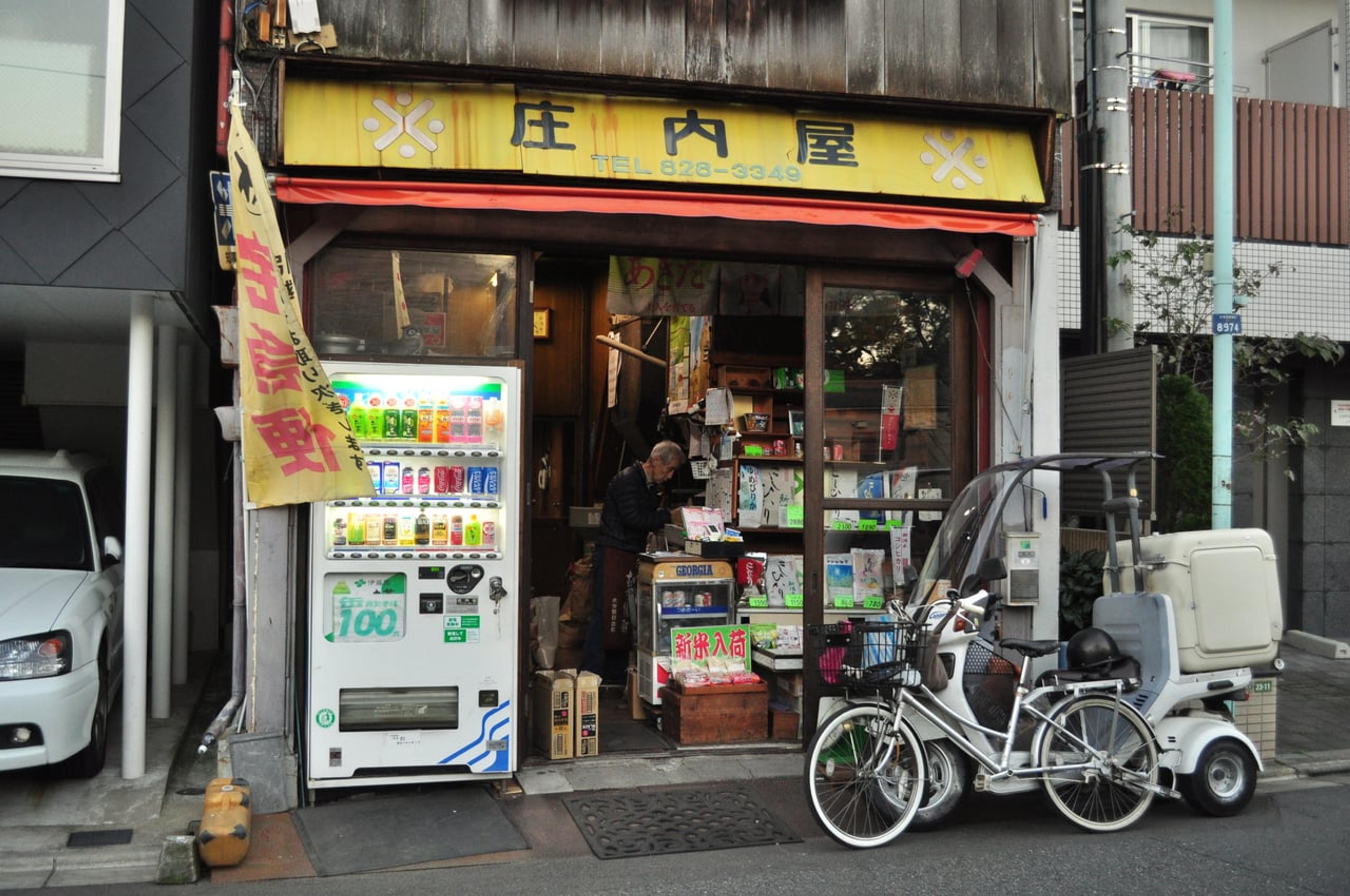
Photo: Joe Mabel, CC BY-SA 3.0.
Kanto has 100+ hidden gems beyond Shibuya and Sensoji. From pottery towns to sea caves, here's what most visitors miss.
Koku Editorial · March 7, 2026
12 places in this guide
Past the Highlight Reel
Kanto is Tokyo, to most visitors. Maybe Kamakura for a day trip, Nikko if there's time. But the greater Kanto region stretches from the Izu Peninsula to the mountains of Gunma, from the craft villages of Tochigi to the fishing ports of Chiba. There are over 100 hidden gems scattered across this area, and many of them are accessible as day trips from central Tokyo.
Kiyosumi Garden (Tokyo)
In Koto ward, a 15-minute walk from the nearest Starbucks-infested shopping street, Kiyosumi Garden is a Meiji-era stroll garden built around a central pond. The garden's signature feature: stepping stones imported from across Japan, each one selected by a Mitsubishi founder who used his shipping empire to transport boulders from remote provinces.
The garden is small enough to walk in 30 minutes, but the quality of the stonework, the koi-filled pond, and the surrounding quiet make it worth an hour. ¥150 entry. Nearby, Kiyosumi's third-wave coffee scene (Blue Bottle, Allpress) has made the neighborhood a destination, pair the garden with a good flat white.
Mashiko Pottery Village (Tochigi)
Two hours north of Tokyo by train and bus, Mashiko is the spiritual home of mingei (folk craft) pottery in Japan. The town has over 300 pottery workshops, and during the biannual pottery fair (spring and autumn), the entire town becomes an open-air market with hundreds of potters selling directly from their studios.
Even outside festival weeks, Mashiko rewards a visit. The Mashiko Pottery Reference Collection museum houses pieces from Shoji Hamada, the father of Mashiko ware. Starnet Mashiko is a cafe-gallery in a converted warehouse worth a stop. Several studios offer hands-on pottery workshops (¥3,000-5,000 for a 90-minute session).
The autumn pottery fair (late October/early November) is slightly less crowded than spring and coincides with autumn foliage in the surrounding hills. Arrive early, the best pieces sell by noon.
Enoshima Iwaya Caves (Fujisawa)
Most day-trippers to Enoshima Island walk up to the shrine and observation tower, then turn back. Keep going past the tower, down the western cliffs, and you'll reach the Iwaya Caves, sea caves carved into the island's rocky base, lit by candles that visitors carry through narrow passages.
The caves have been a pilgrimage site for over 1,000 years. The first cave stretches 152 meters into the rock, with Buddhist and Shinto statuary placed in alcoves along the way. ¥500 entry. The walk from the main shrine area takes about 20 minutes downhill, and it filters out most tourists.
Oya History Museum (Utsunomiya)
Beneath the town of Oya, north of Utsunomiya (famous for gyoza), lies a vast underground quarry carved from volcanic tuff stone. The Oya History Museum gives access to this subterranean cathedral, a network of chambers with 30-meter ceilings, dramatically lit, with temperatures hovering around 8°C year-round.
The stone quarried here has been used in Japanese architecture for centuries, including Frank Lloyd Wright's original Imperial Hotel in Tokyo. The underground space is vast in scale and utterly unexpected. ¥800 entry. About 90 minutes from Tokyo by Shinkansen plus local bus.
Mitsumine Shrine (Chichibu)
Deep in the mountains of Saitama Prefecture, Mitsumine Shrine sits at 1,100 meters elevation in old-growth forest. The approach is dramatic, thick mist, towering cryptomeria trees, and ornate gates in unusual colors for Shinto shrines (deep reds, greens, and golds).
The shrine is dedicated to wolves, or more precisely, to the extinct Japanese wolf, considered a protective spirit. Wolf statues flank the entrance instead of the usual komainu lions. The mountain setting and the wolf mythology give Mitsumine a distinctly wild, ancient atmosphere absent from city shrines.
Mitsumine used to issue a special white charm (shiroibun no omamori) on the 1st of each month, drawing enormous crowds. They discontinued it, but the 1st is still busier than average. Visit mid-week for solitude.
Kinchakuda Manjushage Park (Hidaka)
In late September, a river bend in Hidaka transforms into a field of five million red spider lilies (higanbana). The effect is hallucinatory, a solid carpet of crimson flowers under a canopy of trees, reflected in the surrounding water. It's one of the most striking seasonal displays in Japan and barely known outside of Saitama.
The bloom window is narrow, about two weeks in late September to early October. Check local bloom reports before going. Free entry. One hour from central Tokyo by Seibu Railway.
The Day Trip Equation
Kanto's hidden gems expose a useful truth about Japan travel: the best day trips from Tokyo aren't Kamakura and Hakone (though both are good). They're the second-tier destinations, the pottery towns, the mountain shrines, the underground quarries, the seasonal wildflower fields, that reward an extra hour of travel with an experience you won't share with tour groups.
Featured in this guide
Places to Visit

Turn this guide into a trip
We'll prioritize these 12 places when building your itinerary.