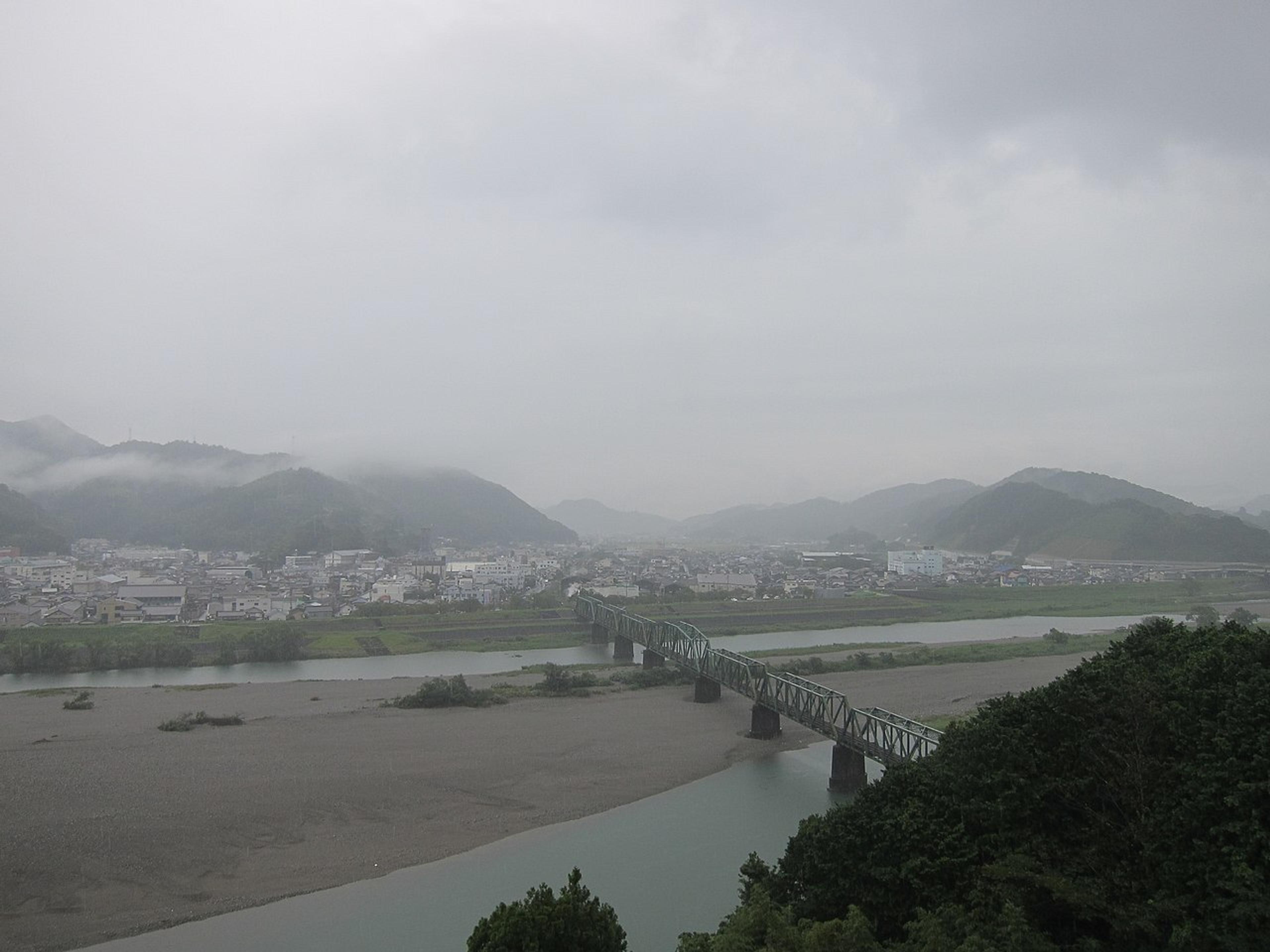
The Niyodo River is Japan's clearest: swim Nikobuchi's turquoise pools, hike Yasui Valley's gorge, paddle by SUP, and learn centuries-old washi craft in Ino.
Koku Travel · February 16, 2026
4 places in this guide
The Color That Earned a Name
In a country threaded with rivers, the Niyodo stands apart. The water is so transparent that the riverbed remains visible at depths of ten meters or more, and in sunlight the surface takes on a luminous blue-green that locals call 'Niyodo Blue', a color specific enough to have entered the Japanese lexicon as its own term. The river runs 124 kilometers from its headwaters on Mount Ishizuchi, Shikoku's highest peak at 1,982 meters, through steep gorges and forested valleys before reaching the Pacific coast near Kochi City.
What makes the Niyodo extraordinary is not just its clarity but the geology that produces it. The river flows over chert and limestone bedrock that filters sediment without adding dissolved minerals. There are no upstream dams releasing turbid reservoir water. The surrounding forest is dense and largely undisturbed, its root systems holding the soil in place during heavy rains. The result is water that maintains its impossible clarity year-round, deepening to an almost neon blue-green in the summer months when sunlight angles are highest.
Nikobuchi: The Swimming Hole
Nikobuchi is a natural swimming hole where the Niyodo narrows between limestone walls and deepens into a pool of such intense color that photographs look edited. The pool is roughly 30 meters across and 6 meters deep at center, with a gravel beach on one side and sheer rock on the other. In summer, locals jump from the rocks into water so clear you can watch your own shadow on the riverbed below.
The access is a 15-minute walk from a small parking area along Route 194, about 40 minutes north of Ino town by car. There are no changing rooms, no lifeguards, no admission fee, just a river pool in a gorge. Weekdays in June and September are nearly empty. July and August weekends draw families from Kochi, but the atmosphere remains relaxed. The water temperature hovers around 18-20°C even in midsummer, cold enough to shock but warm enough to swim comfortably for twenty minutes.
Nikobuchi has no safety infrastructure. The rocks are slippery, the current strengthens after rain, and the pool depth changes with water level. Do not swim after heavy rainfall, the Niyodo rises fast and debris washes through the gorge. Bring water shoes with grip soles; the limestone riverbed is uneven.
Yasui Valley and the Gorge Trails
Upstream from Nikobuchi, the Yasui Valley (Yasui Keikoku) cuts a deeper gorge through forested mountains. The hiking trail follows the river for approximately 3 kilometers, crossing it multiple times on wooden bridges and stone stepping paths. The gorge walls narrow in places to less than 5 meters apart, with the river compressed into channels that produce standing waves and deep turquoise pools.
The trail is moderate in difficulty, some scrambling over rocks, occasional steep sections with chain handrails, and takes roughly two hours round-trip at a contemplative pace. The forest canopy closes overhead in many sections, creating a green tunnel effect. In autumn, the maple and zelkova trees along the gorge produce color that reflects off the water surface, doubling the display. Pack a lunch and eat on the flat rocks beside the river midway through the trail; there are no shops or vending machines in the valley.
The gorge is at its most photogenic in mid-November when autumn foliage peaks, but the water is clearest in late May through June before the rainy season. Summer is warmest for swimming but busiest. Winter offers solitude and a different beauty, frost on the rocks, bare branches framing the blue water, but some trail sections close due to ice.
Washi Papermaking in Ino
The town of Ino, at the lower reaches of the Niyodo, has been producing tosa washi (Japanese handmade paper) for over 1,000 years. The paper depends on the river, kozo (mulberry bark) fibers are soaked and rinsed in Niyodo water, and the mineral-free clarity of the flow produces paper of exceptional whiteness and strength. Tosa washi was historically used for calligraphy, sliding doors, and Edo-period account books; today it serves artists, conservators, and printmakers worldwide.
The Ino Paper Museum (Kami no Hakubutsukan) offers both exhibition galleries and hands-on papermaking workshops. For ¥400, visitors make their own sheet using a traditional suketa frame, dipping it into a vat of suspended kozo fibers and rocking it to distribute the pulp evenly. The technique looks simple but requires a practiced rhythm, the museum staff demonstrate the motion that took them years to master. The finished sheet dries in about 20 minutes and makes a surprisingly durable souvenir. More intensive workshops (¥1,500, 90 minutes, reservation required) teach the full process from raw bark to finished paper.
Tosa washi is designated a UNESCO Intangible Cultural Heritage alongside two other Japanese paper traditions. The Ino craftspeople maintain that the river is their most critical material, even kozo grown elsewhere produces inferior paper if processed without Niyodo water. Several washi studios in town accept commissions for custom paper used by fine-art printmakers in Europe and North America.
On the Water: SUP and Canoeing
Stand-up paddleboarding and canoeing are the best ways to experience the Niyodo's clarity from water level. Several outfitters in the Ino and Niyodogawa town areas rent SUP boards (¥4,000-5,000 for a half day) and Canadian canoes (¥6,000-8,000 per pair, half day). The most popular stretch runs about 5 kilometers from the Nakatsu Gorge area downstream through a gentle section with minimal rapids, suitable for beginners with a brief orientation.
Paddling the Niyodo in the early morning, before wind picks up, is the definitive experience of the river. The surface becomes a glass lens over the riverbed, every stone, every darting fish, every shadow is visible in detail. Ayu (sweetfish) flash silver beneath the board. Kingfishers streak between the banks. The silence, broken only by the paddle stroke and the occasional rapid ahead, creates a meditative quality that hiking along the bank cannot replicate. Guided tours (¥7,000-9,000 per person, 3 hours) include transport, equipment, waterproof bags for cameras, and a local guide who knows the quietest tributaries.
Book a morning departure (8 AM start) for the calmest water and best light penetration. Afternoon winds from the Pacific pick up by 1 PM and create chop that reduces visibility. Bring a polarized lens or polarized sunglasses, they cut surface glare and reveal the full depth of the Niyodo Blue color. Waterproof phone cases are available from most outfitters for ¥500.
Featured in this guide
Places to Visit

Turn this guide into a trip
We'll prioritize these 4 places when building your itinerary.