Small islands turned over to contemporary art, anchored by Naoshima's Benesse project. How the Seto Inland Sea art islands connect, what sits on each, and how to plan the ferries.
Koku Editorial · May 25, 2026
5 places in this guide
The Seto Inland Sea holds a cluster of small islands turned over to contemporary art, anchored by the Benesse project on Naoshima and the triennial that spreads across the water every three years. It is the most concentrated art trip in Japan, and it runs on ferries. Here is how the islands connect and what sits on each.
How the islands work
The art islands sit in the sea between Okayama and Kagawa, reached by ferry from Uno (on the Honshu side) and Takamatsu (on the Shikoku side). Naoshima is the anchor; Teshima and Inujima are quieter day trips from it. Museums close on Mondays as a rule and some require timed tickets, so build the trip around ferry times and booking windows rather than improvising. Two to three days lets you see the three main islands without rushing.
Naoshima
Naoshima is the island that started it, transformed by the Benesse Art Site into an open-air museum of Tadao Ando concrete, site-specific installations, and the yellow pumpkin on the pier. The buried Chichu Art Museum, lit only by daylight, holds Monet, Turrell, and De Maria; Benesse House pairs a museum with a hotel; the Art House Project sets work inside old village houses. Naoshima is the anchor, and it needs a full day.
Teshima
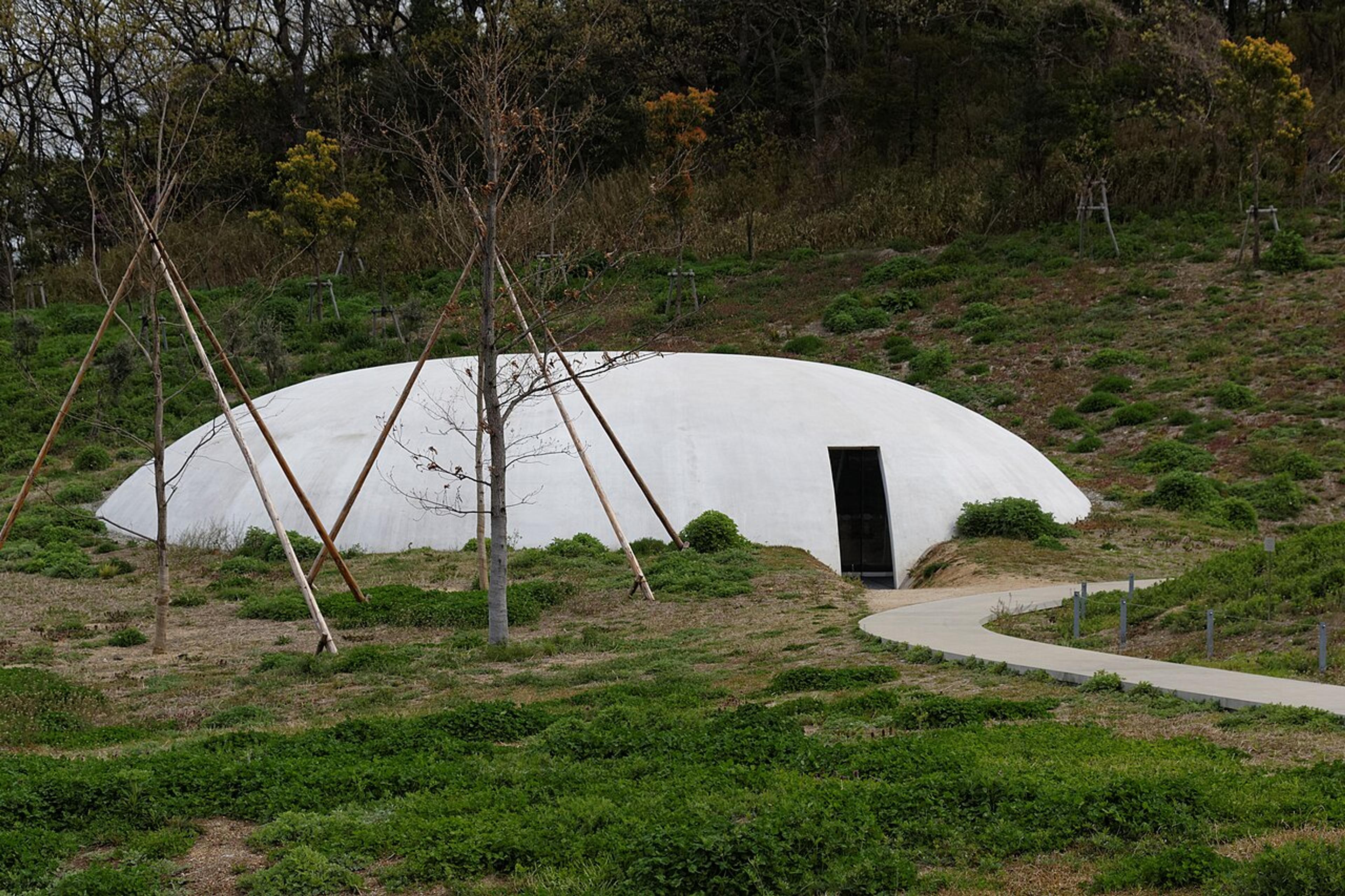
Teshima, a short ferry from Naoshima, is built around the Teshima Art Museum, a single white concrete shell with no art inside in the usual sense: water seeps from the floor and moves with the light and air through open oculi. It is one work, experienced slowly, and it rewards a quiet hour. The island's terraced rice fields frame the walk to it.
Inujima
Inujima, off Okayama, is the smallest and most industrial of the three. The Seirensho Art Museum was built into the ruins of a Meiji-era copper refinery, reusing the brick flues and slag as architecture and running largely on natural ventilation and light. An Art House project threads more work through the tiny village. It is a half-day, and the most industrial in character of the three.
Ogijima and Megijima
Two smaller islands off Takamatsu carry triennial works year-round. Ogijima, four kilometers around with about 170 residents, packs permanent installations into its hillside lanes. Megijima, the "demon island" of the Momotaro tale, pairs art with its giant cave. Either makes a lighter add-on to the main three.
Planning a Setouchi art trip
Base in Takamatsu or Uno, or stay on Naoshima itself if you book early. Check the Setouchi Triennale calendar: in a festival year (held every three years across spring, summer, and autumn sessions) the islands carry far more work but also far more visitors. Mondays close most museums. Buy the multi-site passes where offered, and treat the ferry timetable as the spine of the itinerary.
Turn this guide into a trip
We'll prioritize these 5 places when building your itinerary.