Niigata and Nagano produce Japan's most celebrated sake: visit working breweries, taste winter-pressed shinbori, and pair with local mountain cuisine.
Yuku Japan · February 15, 2026
10 places in this guide
The Sake Belt
Japan has sake breweries everywhere, but the concentration in Niigata and Nagano Prefectures is unmatched. Niigata alone has over 90 active kura (breweries), the most of any prefecture, and its tanrei karakuchi style, clean, dry, and crisp, has dominated Japanese sake culture since the 1980s. Nagano adds another 80 breweries, many of them small mountain operations using high-altitude rice paddies and snowmelt water.
The reasons are elemental: exceptional rice (Niigata's Koshihikari is Japan's most famous rice variety, and its sake-specific Gohyakumangoku strain was developed here), pristine water (snowmelt filtered through volcanic rock), and cold winters that allow slow, controlled fermentation. Sake brewing is a winter activity, the traditional brewing season runs from November to March, when low temperatures keep bacterial contamination at bay.
The Niigata Sake Trail
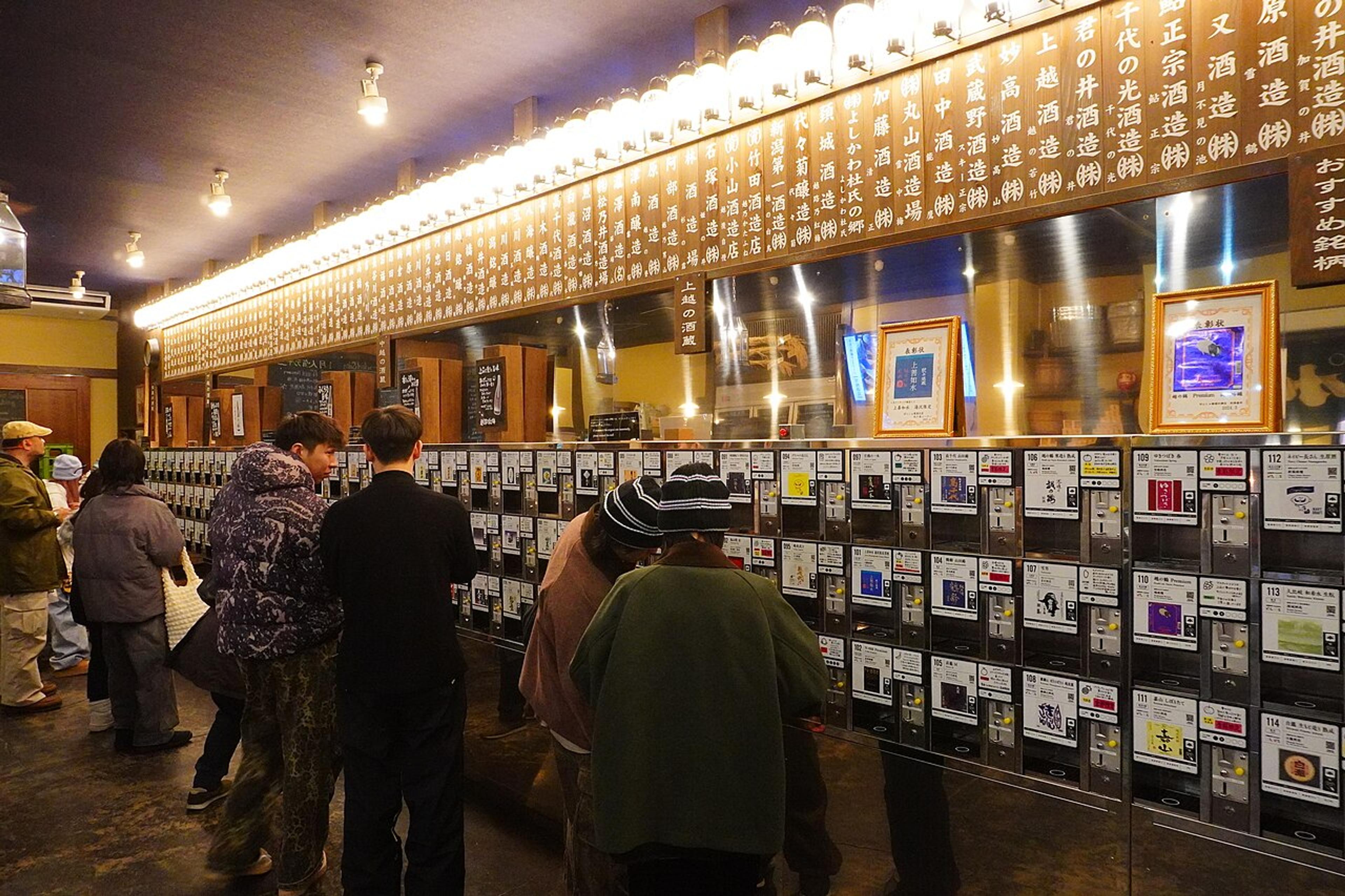
Niigata City's Ponshukan, inside the JR station, is the logical starting point. This sake tasting center offers samples from all 90+ Niigata breweries using a token system, 500 yen buys five tokens, each good for one tasting pour. The range is extraordinary: bone-dry junmai daiginjo that tastes like cold mountain air, rich junmai with savory rice depth, fruity nama (unpasteurized) sake that challenges every preconception about what sake can be.
From Niigata City, the sake trail extends south through rice country. The Echigo-Tsukioka area has several breweries that offer tours and tastings. Imayo Tsukasa, one of Niigata City's oldest kura (founded 1767), runs guided tours of its traditional wooden brewery, showing the steaming, koji cultivation, and fermentation processes. The koji room, maintained at exactly 30°C and 60% humidity, is where the magic happens: the Aspergillus oryzae mold converts rice starch to sugar, the essential first step in sake production.
Time your visit for January or February to see active brewing. Most brewery tours outside this window show empty tanks and dormant equipment. During the brewing season, the air inside the kura is fragrant with fermenting rice, and you can observe every step of the process in real time.
The Mountain Kura of Nagano
Nagano's breweries tend to be smaller and more idiosyncratic than Niigata's. The mountain geography isolates communities, and each brewery has developed its own house style adapted to local water, rice, and climate. Obuse, a small town famous for chestnuts and Hokusai art, has Masuichi-Ichimura, a brewery that has operated since 1755 and whose sake pairs intentionally with the town's chestnut cuisine.
In the Suwa area, the shores of Lake Suwa host five breweries that participate in the Suwa Gokura Meguri, a five-brewery tasting walk where a single ticket (¥2,000) grants tastings at all five kura. The breweries are within walking distance of each other, and the route passes through a town that has been brewing since the Edo period. Each brewery has its own character: Maihime produces elegant, refined daiginjo; Honkin focuses on rich, full-bodied junmai; Yokobue experiments with ancient rice varieties.
Look for the sugidama (cedar ball) hanging outside brewery entrances. A fresh, green sugidama signals that new sake (shinshu) has been pressed. As the ball browns over the months, it indicates the sake is aging. The sugidama tradition dates back centuries and is one of the oldest forms of commercial signage in Japan.
Tasting and Pairing
Sake pairing is less codified than wine pairing, but the mountain cuisine of Niigata and Nagano offers natural companions. Niigata's tanrei style cuts through the richness of local dishes: hegi soba (cold buckwheat noodles served on wooden trays), noppe (a root vegetable stew), and grilled murakami salmon. Nagano's fuller-bodied sake stands up to wild boar stew, soba dipped in walnut sauce, and the region's strong miso-based preparations.
The concept of terroir applies to sake as much as wine. A Niigata junmai daiginjo tastes of its origin, the snow-country rice, the volcanic water, the cold fermentation, in ways that are genuinely specific to place. Tasting the same style from different prefectures reveals these regional fingerprints clearly.
February is the peak of sake season. New sake (shinshu) is being pressed at every brewery, and many hold limited-release events where freshly pressed, unpasteurized nama sake is available for a few days only. The Niigata Sake no Jin festival (usually mid-March) brings over 100 breweries together in the Toki Messe convention center for a single day of tasting, the largest sake event in the country.
Bringing It Home
Japanese sake does not travel well in luggage, temperature changes damage unpasteurized varieties, and bottles are heavy. The best strategy is to taste widely during the trip and order specific favorites from online retailers after returning home. Most premium Niigata and Nagano sake is available through Japanese sake importers in major Western markets. The exception is nama (unpasteurized) sake, which requires refrigeration and rarely exports.
Premium junmai daiginjo at a Niigata or Nagano kura typically costs ¥1,500-3,000 for a 720ml bottle, dramatically less than the same bottle at a Tokyo department store or international retailer. The Ponshukan tasting center at Niigata Station offers the best value: five tastings for ¥500, with access to bottles that retail for ¥5,000+.
Featured in this guide
Places to Visit

Turn this guide into a trip
We'll prioritize these 10 places when building your itinerary.