Morning to evening in Kumamoto: the rebuilding castle, local specialties from horse to mustard lotus root, and a side trip to Kurokawa Onsen.
Koku Travel · April 8, 2026
3 places in this guide
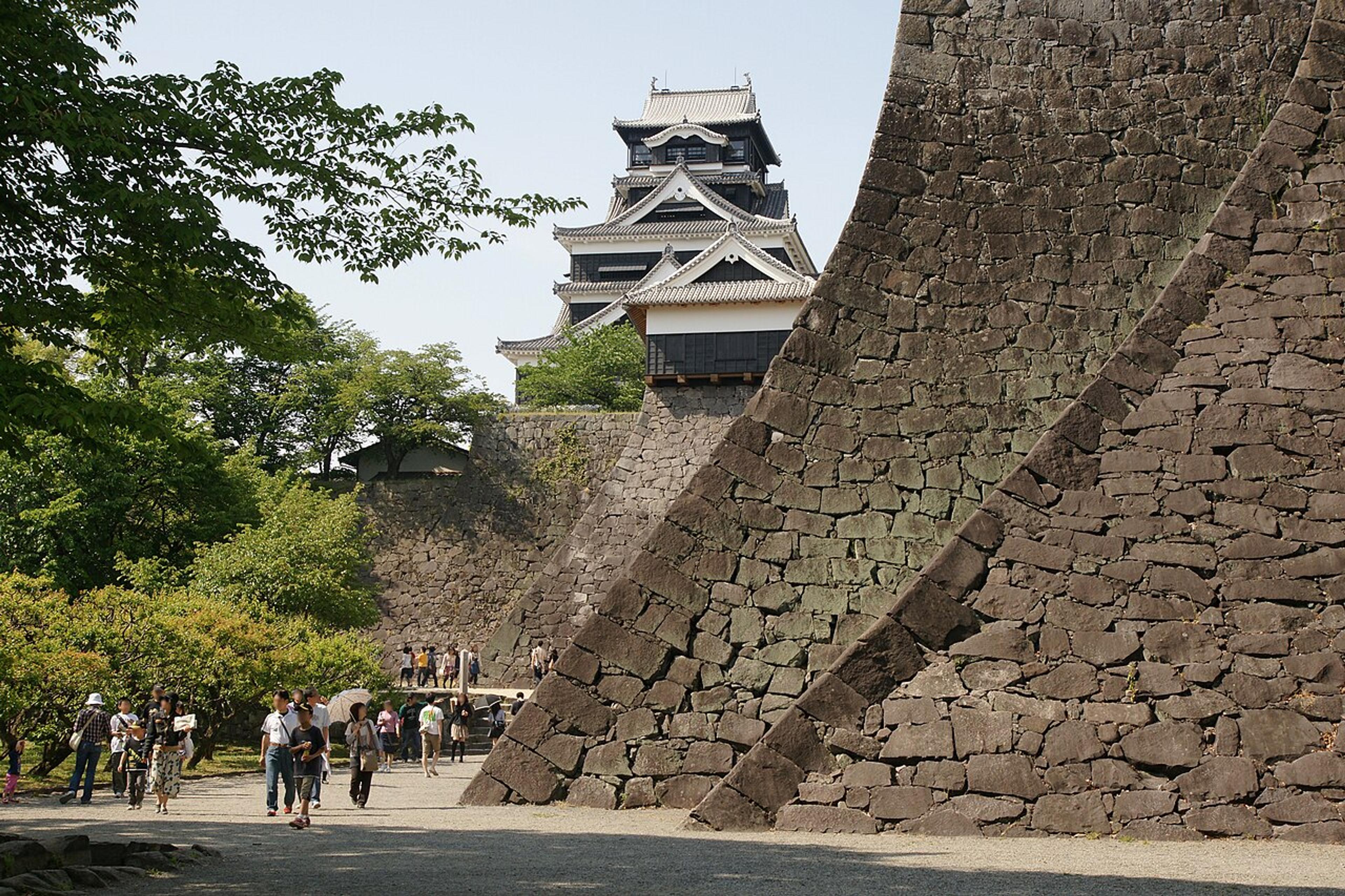
Kumamoto Castle was one of Japan's greatest fortresses until the 2016 earthquakes collapsed walls, toppled turrets, and cracked the main keep. The rebuild is ongoing and expected to continue until 2052. Visiting now means watching a castle come back to life, which is more moving than seeing it finished.
Morning: The Castle
The elevated walkway circles the outer fortifications, giving views of collapsed stone walls being reassembled piece by numbered piece. Each stone was cataloged where it fell. The restoration team is fitting them back like a three-dimensional puzzle using Edo-era construction records.
The main keep's exterior is complete and open to visitors. Inside, exhibits document both the castle's 400-year history and the engineering of its reconstruction. The top floor offers views over the city to Mount Aso in the distance. Allow 90 minutes.
Midday: Kumamoto's Table
Kumamoto's food is direct and unapologetic. Basashi (raw horse meat) is the signature dish, served thinly sliced with ginger, garlic, and soy sauce. The texture is lean and clean, nothing like beef. First-timers: the fatty mane cut (tategami), white and marbled, is the gentlest entry point.
Karashi renkon, mustard-stuffed lotus root fried in a yellow turmeric batter, is the city's most distinctive snack. It is spicier than it looks. Taipien, a clear noodle soup with spring rolls, reflects the Chinese influence that runs through Kyushu's port cities.
The Shimotori covered arcade is Kumamoto's main shopping and eating street. The density of restaurants rivals any city twice its size.
Afternoon: Beyond the City
Kumamoto is the gateway to two of Kyushu's most dramatic landscapes:
Mount Aso: An hour east by bus or car, Aso's caldera is one of the largest in the world. The outer rim stretches 25 kilometers across. When the active crater is open (closures are common due to volcanic gas), a shuttle bus brings you to the rim where sulfurous steam billows from the earth. The grasslands of Kusasenri, a flat meadow inside the caldera, feel like a different country.
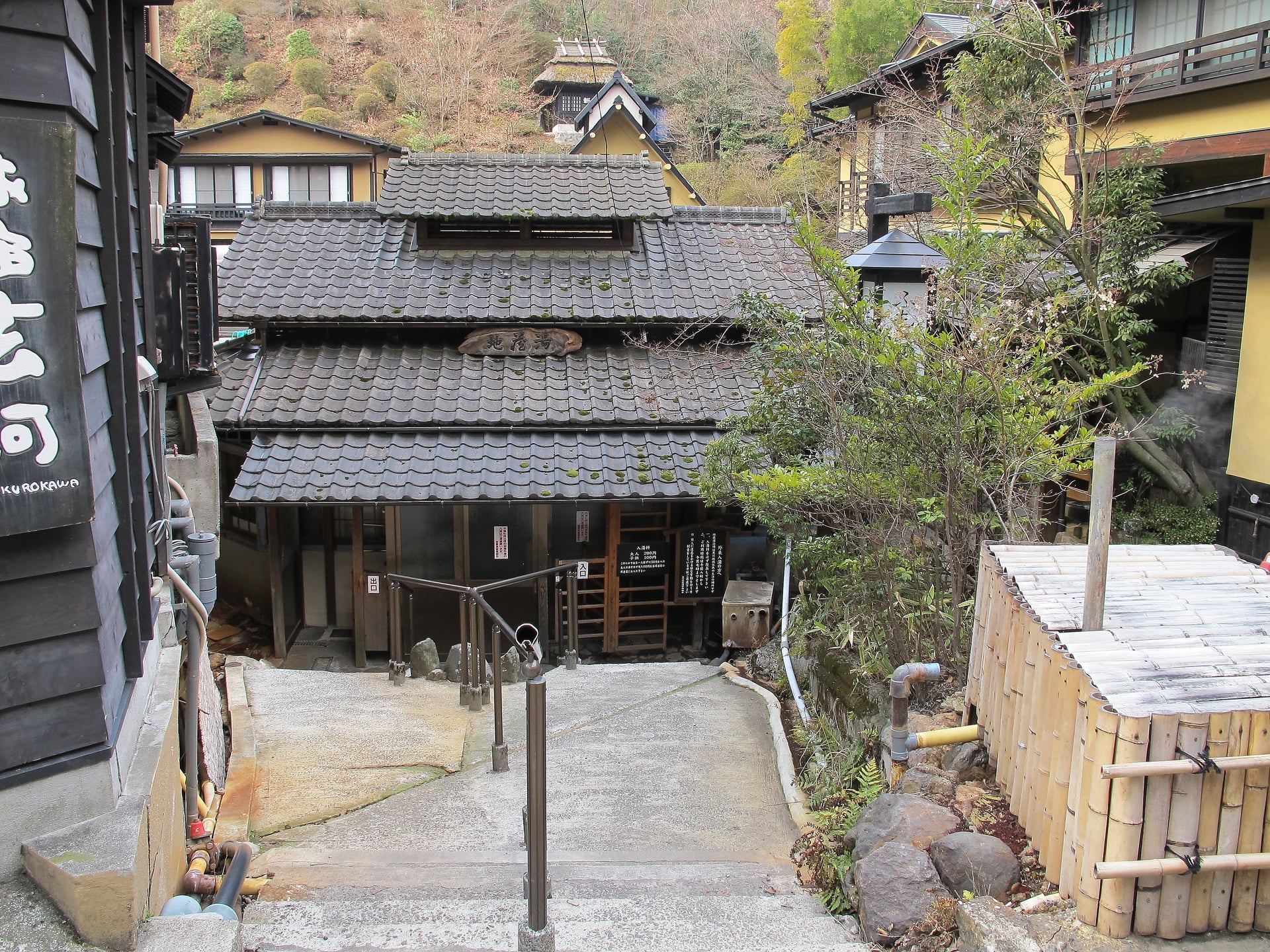
Kurokawa Onsen: 90 minutes north of Kumamoto by bus, this small onsen village in a forested ravine is one of the most evocative in Japan. The town sells a "bath-hopping" pass (nyuto tegata) that grants entry to three of around 30 participating ryokan baths. The outdoor baths along the river, steam rising through the trees, are the image most people carry home from Kyushu.
Evening
Return to Kumamoto for evening ramen. Kumamoto-style uses a pork bone broth with roasted garlic oil (mayu) and a distinctive burnt, nutty flavor. The ramen shops near Shimotori stay open late.
Getting There
Kumamoto Station is 35 minutes from Fukuoka on the Kyushu Shinkansen, or 45 minutes from Kagoshima. The castle is a 15-minute walk or a short streetcar ride from the station.
Featured in this guide
Places to Visit
Turn this guide into a trip
We'll prioritize these 3 places when building your itinerary.