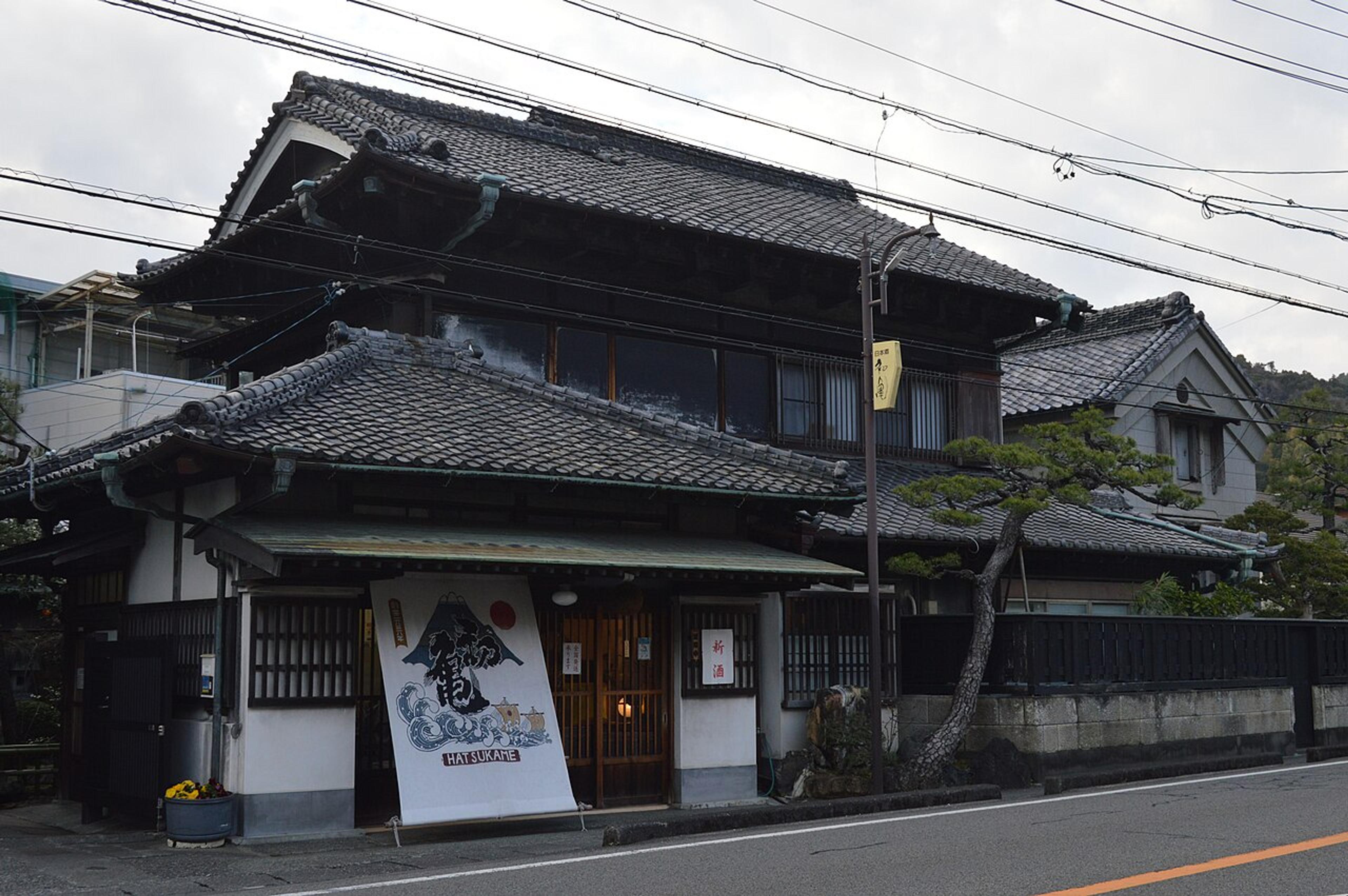
Sake follows clean water and rice. A route through Japan's brewing regions, with breweries open for tasting, from Niigata to Saijo and Kanazawa's centuries-old houses.
Koku Editorial · May 25, 2026
7 places in this guide
Sake is regional too, tied to rice, water, and the brewing towns that have worked for centuries. Many breweries open their gates for tasting, and a few cities have built whole districts on the trade. Here is a route through sake country, with breweries you can visit.
How sake regions work
Good sake follows good water and rice, so the famous brewing areas cluster where both are clean: Niigata, the Nada and Fushimi districts near Kobe and Kyoto, Saijo in Hiroshima, and pockets of Tohoku. Breweries (sakagura) often run tasting rooms and tours; the label terms to know are junmai (no added alcohol), ginjo and daiginjo (more polished rice, lighter and more aromatic). Taste across a flight rather than committing to one.
Niigata: the snow-country style
Niigata brews a clean, dry style suited to its rice and snowmelt water, and it is one of the country's great sake prefectures. Imayo Tsukasa, the closest brewery to Niigata Station, has brewed for generations and runs tastings, an easy first stop. Pair the dry local style with the prefecture's seafood.
Hiroshima: Saijo, one of the great brewing towns
Saijo, in Higashihiroshima, is one of Japan's three great sake-brewing towns, its main street lined with brick chimneys and white-walled breweries within a short walk of the station. Kamotsuru, founded in 1873, is among the historic houses there and pours its daiginjo in the tasting room. The town holds a major sake festival each autumn.
Ishikawa: Kanazawa's long-running houses
Kanazawa carries a long brewing tradition. Fukumitsuya has brewed for nearly four centuries using underground water from Mount Hakusan, and runs tastings in the city. The brewery pairs naturally with Kanazawa's tea-house and craft districts on a wider Hokuriku trip.
Tohoku: Morioka and Yamagata
Tohoku's cold winters suit slow brewing. In Morioka, Asabiraki has brewed since 1871 and opens its Sekison-tei hall to visitors. In Yamagata, the Dewazakura sake museum opens a Meiji-era brewery storehouse. Both fold into a northern route and pair with the region's noodle and market food.
Kansai and Kanto: Itami, Fushimi, and Mito
Closer to the big cities, history runs deep. Itami in Hyogo is regarded as a birthplace of clear refined sake, and the Oimatsu brewery there pours junmai in a historic setting. Yoshikubo in Mito has brewed since the Edo period in central Ibaraki. Either makes a sake stop on a day trip from Osaka or Tokyo.
How to taste sake on a brewery visit
A few notes. Many breweries offer a small-fee tasting flight; start dry and move to the more aromatic ginjo styles. Buy a bottle at the source, where the range is widest and the freshest seasonal pressings appear. Drinking-and-driving laws are absolute in Japan, so reach brewing towns by train. And the brewing season peaks in winter, when some houses pour freshly pressed shiboritate.
Featured in this guide
Places to Visit
Turn this guide into a trip
We'll prioritize these 7 places when building your itinerary.