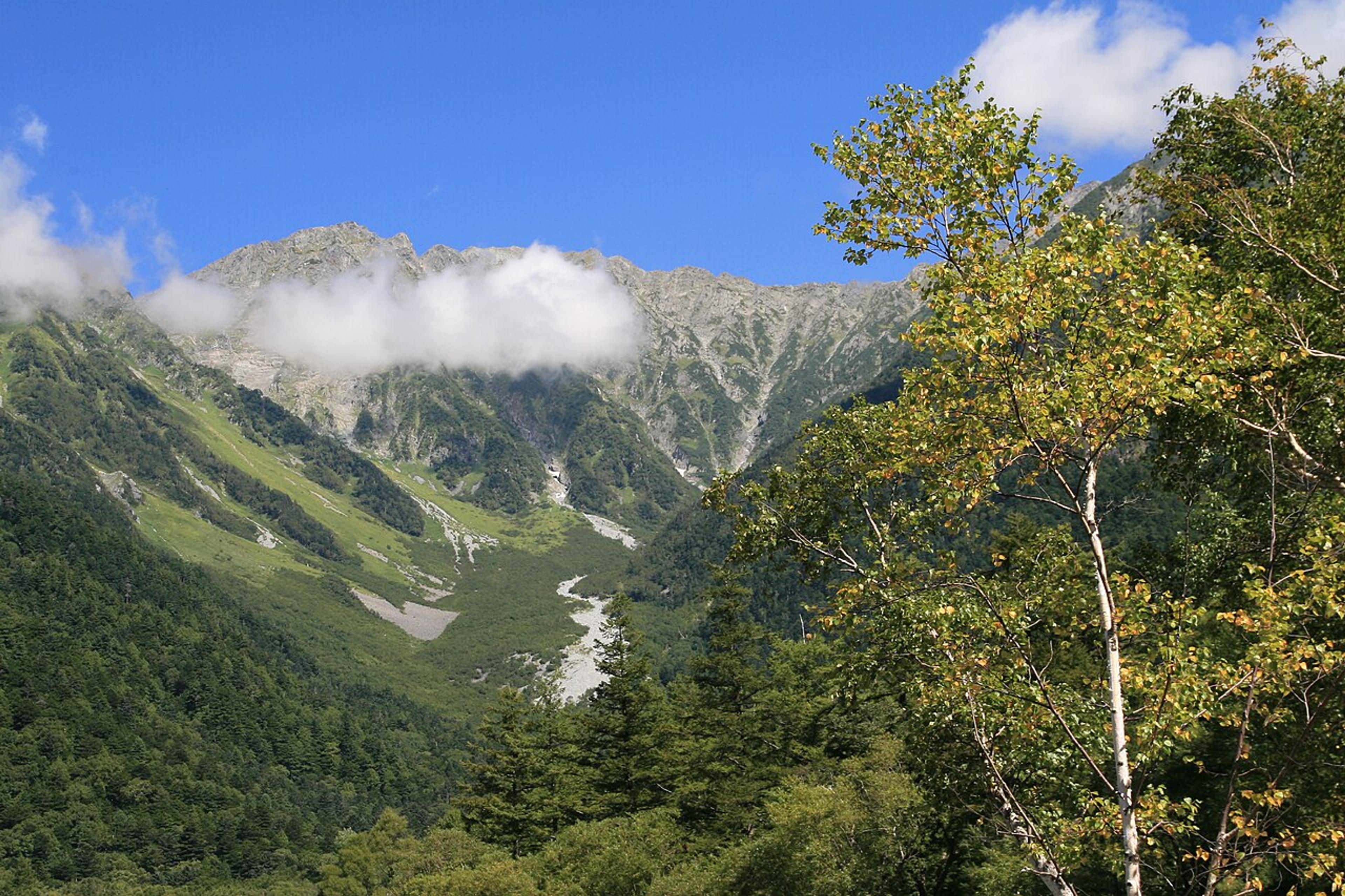
The Japan Alps region hides mythological shrines in cedar forests, a mirror-pool art tunnel, and UNESCO villages that Shirakawa-go overshadows.
Yuku Japan · February 15, 2026
10 places in this guide
The Chubu region spans the widest part of Honshu, from the Sea of Japan coast to the Pacific, with the Japan Alps running down its spine. Most visitors pass through on the way to Takayama or Shirakawa-go. They are missing the better versions of what they came to see, quieter towns, more dramatic landscapes, and cultural depth that the marquee destinations have traded for tour bus capacity.
This is a region defined by mountains, heavy snow, and the isolation that both create. The places that survive here are the ones worth the effort.
Togakushi
A highland shrine complex in the mountains behind Nagano city, Togakushi is associated with the Shinto creation myth, specifically the cave where sun goddess Amaterasu hid, plunging the world into darkness. The god Ama-no-Tajikarao threw open the cave door with such force that it flew to these mountains, forming the dramatic cliff face of Mount Togakushi.
The 2-kilometer approach to Togakushi Okusha (the inner shrine) passes through an avenue of 400-year-old cedar trees, their canopy closing overhead into a green tunnel. The path crosses Zuijinmon, a red-lacquered gate halfway along, then steepens through root-tangled forest to the shrine at about 1,200 meters elevation. Togakushi is also famous for its soba noodles, served in a distinctive five-mound style called bocchi, the buckwheat grows in the surrounding highland fields. The area is 70 minutes by bus from Nagano Station. In winter, the shrine approach is snowbound and the Togakushi ski resort operates on the surrounding slopes.
Tunnel of Light
In Tokamachi, Niigata prefecture, a 750-meter tunnel runs alongside Kiyotsu Gorge, one of Japan's three great gorges. The gorge itself, with columnar jointed rock walls rising vertically from the river, has been too dangerous to walk since a rockfall in 1988. MAD Architects transformed the access tunnel into a series of art installations for the Echigo-Tsumari Art Triennale, each observation point offering a different framed view of the gorge.
The final chamber is the payoff: a shallow water pool covering the floor mirrors the gorge entrance, creating a perfect reflection of columnar rock and sky. Visitors wade through ankle-deep water to reach the viewing point. It has become one of the most photographed art spaces in Japan. The tunnel is open year-round except during heavy snow periods (typically January through March). Access is by car from Echigo-Yuzawa Station (30 minutes), which is 70 minutes from Tokyo on the Joetsu Shinkansen.
Hida Furukawa
Fifteen minutes by train from Takayama, Hida Furukawa has the same preserved Edo-era merchant houses and white-walled storehouses, but a fraction of the visitors. Koi swim in the canals that line the streets, and the Seto River runs clear through the center of town. The architecture is genuine, not reconstructed: Hida's master carpenters were renowned across Japan, and their craft is visible in the joinery of every storehouse.
The town gained some fame as the real-life inspiration for Makoto Shinkai's anime film "Your Name", the Hida-Furukawa Station, the library, and the shrine are all recognizable locations. But even that bump has not overwhelmed its quiet character. The Hida Crafts Museum and local sake breweries (try Watanabe Shuzo, founded in 1870) justify a half-day. Furukawa's April festival features a dramatic night drum parade, okoshi daiko, where a massive drum is carried through the streets while smaller teams compete to crash their drums against it.
Gokayama
A UNESCO World Heritage Site with the same gassho-zukuri thatched farmhouses as Shirakawa-go, Gokayama sits deeper in the Shokawa River valley and receives dramatically fewer visitors. The steep-pitched "prayer hands" roofs were designed to shed the region's extreme snowfall, some years bringing over 3 meters. The Ainokura settlement has 20 thatched-roof houses, some operating as minshuku guesthouses where you sleep under the massive roofs and eat home-cooked mountain cuisine: sansai (wild mountain vegetables), river fish, and handmade tofu.
The isolation is the point, these villages survived because they were so difficult to reach. The Tokugawa shogunate used the area for gunpowder production, taking advantage of its natural seclusion. In winter, snow piles waist-high around the farmhouses and the only sounds are creaking timber and dripping meltwater. Gokayama is accessible by bus from Takaoka Station (75 minutes) on the Hokuriku Shinkansen line.
Sado Island
Japan's sixth-largest island sits off the coast of Niigata, reachable by a 2.5-hour ferry or 67-minute jetfoil from Niigata Port. Sado served as a place of political exile for centuries, both the emperor Juntoku and the Buddhist reformer Nichiren were banished here. The gold mines on the island (now a UNESCO World Heritage Site) operated from 1601 until 1989 and once produced enough gold to fund the Tokugawa shogunate's economy.
Today the island is home to the Kodo Taiko drumming community, which hosts the annual Earth Celebration festival each August, three days of drumming, workshops, and international music. At Ogi Port, you can ride a tarai-bune, a traditional circular tub boat originally used by women to harvest shellfish in shallow waters. The island also runs a conservation program for the endangered toki (crested ibis), once extinct in the wild in Japan. Sado is large enough to warrant two or three days.
Getting Around
The Hokuriku Shinkansen connects Tokyo to Nagano (80 minutes) and Kanazawa (2.5 hours), providing access to Togakushi and Gokayama respectively. Hida Furukawa is on the JR Takayama Line from Nagoya or Toyama. The Tunnel of Light requires a car or taxi from Echigo-Yuzawa. Sado Island needs the ferry from Niigata. A rental car opens up the region significantly, mountain roads between these locations reward the drive but are slow, often single-lane through passes above 1,000 meters. The Japan Alps are at their most accessible from June through October; winter brings heavy snow to everything above 500 meters but transforms the thatched villages into scenes from another century.
Featured in this guide
Places to Visit
Turn this guide into a trip
We'll prioritize these 10 places when building your itinerary.