Fukui Prefecture hides Japan's best dinosaur museum, Tojinbo's volcanic cliffs, Eiheiji's living zen monastery, and winter's prized Echizen crab.
Yuku Japan · February 16, 2026
9 places in this guide
Fukui: Japan's Least-Visited Prefecture
Fukui is consistently ranked as one of Japan's least-visited prefectures by international travelers, which is baffling when you list what it contains: one of the world's top three dinosaur museums, a volcanic coastal formation that rivals Ireland's Giant's Causeway, one of the two head temples of Zen Buddhism, a medieval castle ruin that rivals Machu Picchu in setting, and a winter crab season that draws food pilgrims from across the country. The prefecture sits on the Sea of Japan coast between Kanazawa and Kyoto, bypassed by the main tourist corridor but reachable by Shinkansen since the Hokuriku extension opened in 2024.
A three-day Fukui itinerary covers extraordinary range, from 120-million-year-old fossils to living monastic practice, from volcanic geology to seafood markets. The scale is manageable: the main attractions are within 90 minutes of Fukui City, and the compact distances leave time for the unplanned discoveries, a roadside soba shop, a fishing port at sunset, a ceramics studio in a converted farmhouse, that make Chubu travel rewarding.
Fukui Prefectural Dinosaur Museum
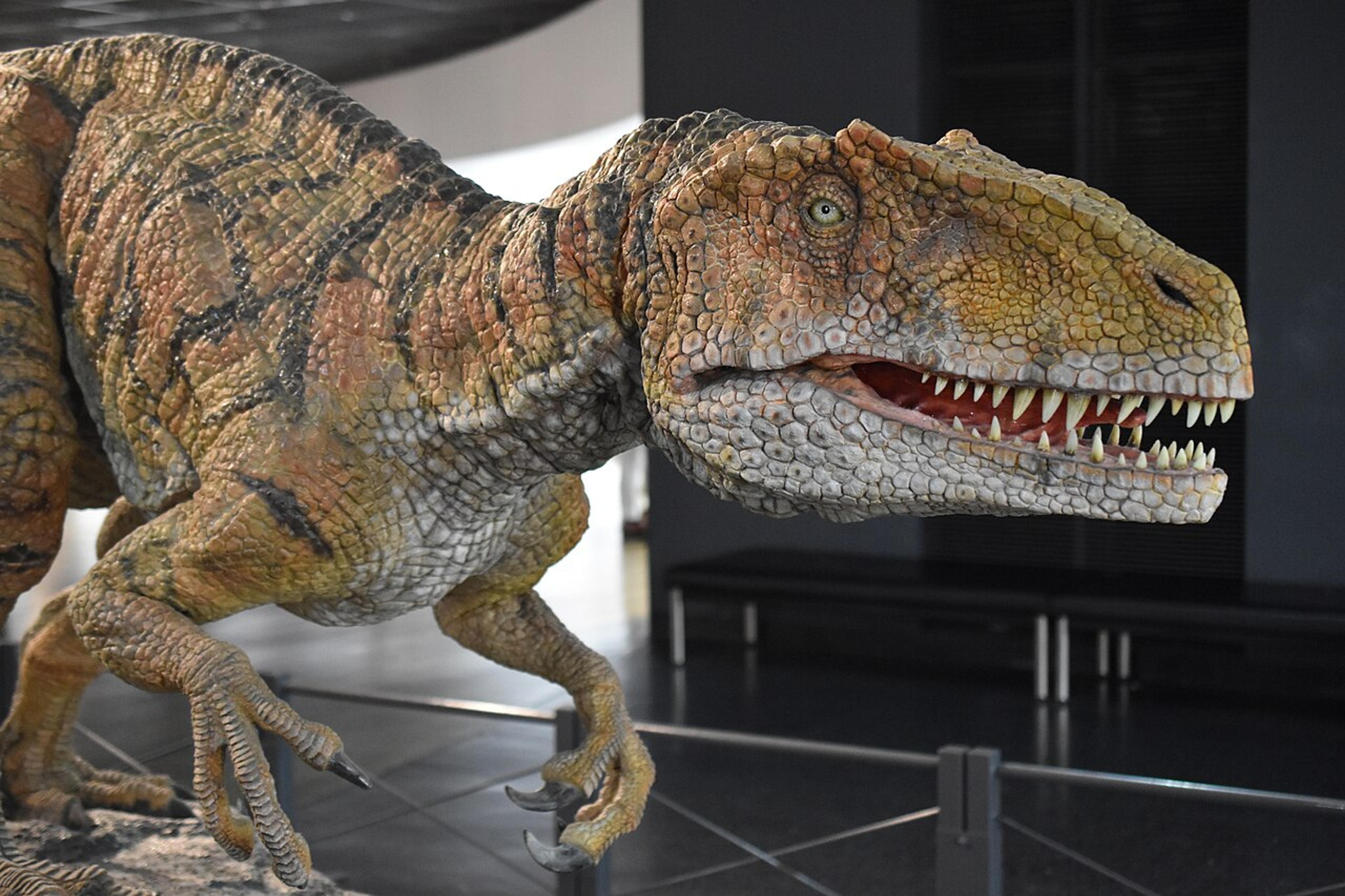
The Fukui Prefectural Dinosaur Museum in Katsuyama is one of the three largest dinosaur museums in the world, alongside the Royal Tyrrell in Canada and the Zigong Museum in China. The silver dome housing the main exhibition sits in a valley where Cretaceous-period fossils were first discovered in 1989, and the area has since yielded five new dinosaur species unique to Japan, including the Fukuiraptor and Fukuisaurus.
The main exhibition hall contains 50 complete dinosaur skeletons, including a full-scale animated Tyrannosaurus that moves, breathes, and roars with unsettling realism. The fossil preparation laboratory, visible through a glass wall, shows real technicians extracting fossils from rock in real time. An outdoor Dinosaur Quarry experience (¥1,030, advance reservation required) lets visitors excavate actual 120-million-year-old rock and keep any fossil fragments they find, a hands-on experience that connects abstract paleontology to the physical reality of digging through deep time.
The museum underwent a major expansion in 2023 and the new wing includes immersive projection rooms and augmented reality exhibits. Allow at least three hours for the full experience. Admission is ¥1,000 for adults. The museum is accessible by Echizen Railway from Fukui Station to Katsuyama (60 minutes, ¥770), then a community bus (15 minutes, free). Visit on weekdays to avoid the family crowds that pack the museum on weekends and holidays.
Tojinbo Cliffs
Tojinbo is a one-kilometer stretch of columnar basalt cliffs on the Sea of Japan coast, where volcanic rock has been shaped by wave erosion into geometric pillars, towers, and platforms that drop 25 meters to the crashing sea below. The formation is one of only three places in the world where columnar basalt of this type meets the ocean (the others are in Norway and Korea). There are no railings on the main cliff edges, the vertiginous drops and the spray from waves hitting the base create a visceral, unmediated encounter with geology.
The cliffside walking route covers about 30 minutes and passes the most dramatic formations. A sightseeing boat (¥1,500, 30 minutes, weather-dependent) departs from the eastern end and cruises beneath the cliffs, providing a view of the columnar structure from sea level, the hexagonal columns rising in organ-pipe formation from the waterline. The adjacent Tojinbo Tower (¥500) adds an aerial perspective, and the small shops at the cliff entrance sell Echizen crab rice bowls (¥1,500-2,500 in season) and iwagaki oysters.
Tojinbo's cliffs are genuinely dangerous, the unfenced edges are slippery when wet and the drops are lethal. Keep well back from edges, especially when wind is strong. The site has unfortunately been associated with suicides, and you may notice NPO-installed phones and signage offering support. Exercise normal caution and supervise children closely.
Eiheiji: Living Zen
Eiheiji is one of the two head temples of the Soto Zen Buddhist school, founded in 1244 by the monk Dogen, whose writings remain central to Zen philosophy worldwide. Unlike Kyoto's Zen temples, which are largely tourist attractions, Eiheiji is a functioning training monastery where approximately 150 monks live, practice, and study in a routine that has remained essentially unchanged for 780 years. Visitors walk through the temple complex on designated routes while monastic life continues around them.
The complex comprises over 70 buildings connected by covered corridors that climb a steep, cedar-forested hillside. The wooden floors are polished to a mirror sheen by centuries of monks' bare feet. The meditation hall (Sodo), the kitchen (Daikuin), and the Buddha hall (Butsuden) are the principal structures, but the highlight is the covered stairway ascending through ancient cedars, each step worn concave by centuries of monastic sandals. Admission is ¥700 and includes a brief orientation. The temple also offers overnight zen stays (¥8,000, advance booking required) that include evening and morning zazen meditation sessions, a vegetarian shojin ryori dinner, and the 3:30 AM morning chanting service.
Silence is expected in the main temple corridors. Photography is permitted in most areas but forbidden in the meditation hall and during services. Remove shoes at the entrance and carry them in the provided plastic bag. The monks you see are in active training, do not attempt to photograph them directly or interrupt their movement through the corridors. The temple's atmosphere of disciplined stillness is its greatest treasure; respect it by matching it.
Echizen Crab Season and Ichijodani Ruins
Echizen-gani (Echizen crab) is the crown of Fukui gastronomy, male snow crabs caught in the Sea of Japan off the Echizen coast from November 6 through March 20. The season dates are fixed by fishing regulation, and the November opening day is a prefecture-wide event. The crabs are tagged with yellow tags certifying their origin, and a full Echizen crab course at a ryokan or restaurant, boiled, grilled, sashimi, crab miso, crab rice, runs ¥15,000-30,000 per person. The Echizen Fish Market in the port town of Echizen-cho sells whole crabs from ¥5,000 for a medium male, with cooking service available.
Between meals, the Ichijodani Asakura Clan Ruins (free entry, museum ¥230) offer one of the most evocative archaeological sites in Japan. The Asakura clan ruled the region for over a century until their destruction by Oda Nobunaga in 1573. The castle town was burned and buried under landslide debris, preserving it in a state of accidental time capsule. Excavation has revealed streets, foundations, gardens, and over 1.7 million artifacts. The restored samurai district and the garden ruins, stone arrangements still visible after 450 years, convey the scale and sophistication of a medieval Japanese city more effectively than any rebuilt castle.
The female Echizen crab (seiko-gani) is a fraction of the male crab's price, a whole seiko-gani costs ¥1,000-2,000 at the Echizen Fish Market. The meat yield is smaller, but the crab miso (the orange roe inside the shell) is considered by many locals to be superior. Seiko-gani season is shorter: November 6 to December 31 only. A bowl of seiko-gani rice at a market stall costs ¥1,500 and is one of the best food experiences per yen in Chubu.
Featured in this guide
Places to Visit
Turn this guide into a trip
We'll prioritize these 9 places when building your itinerary.