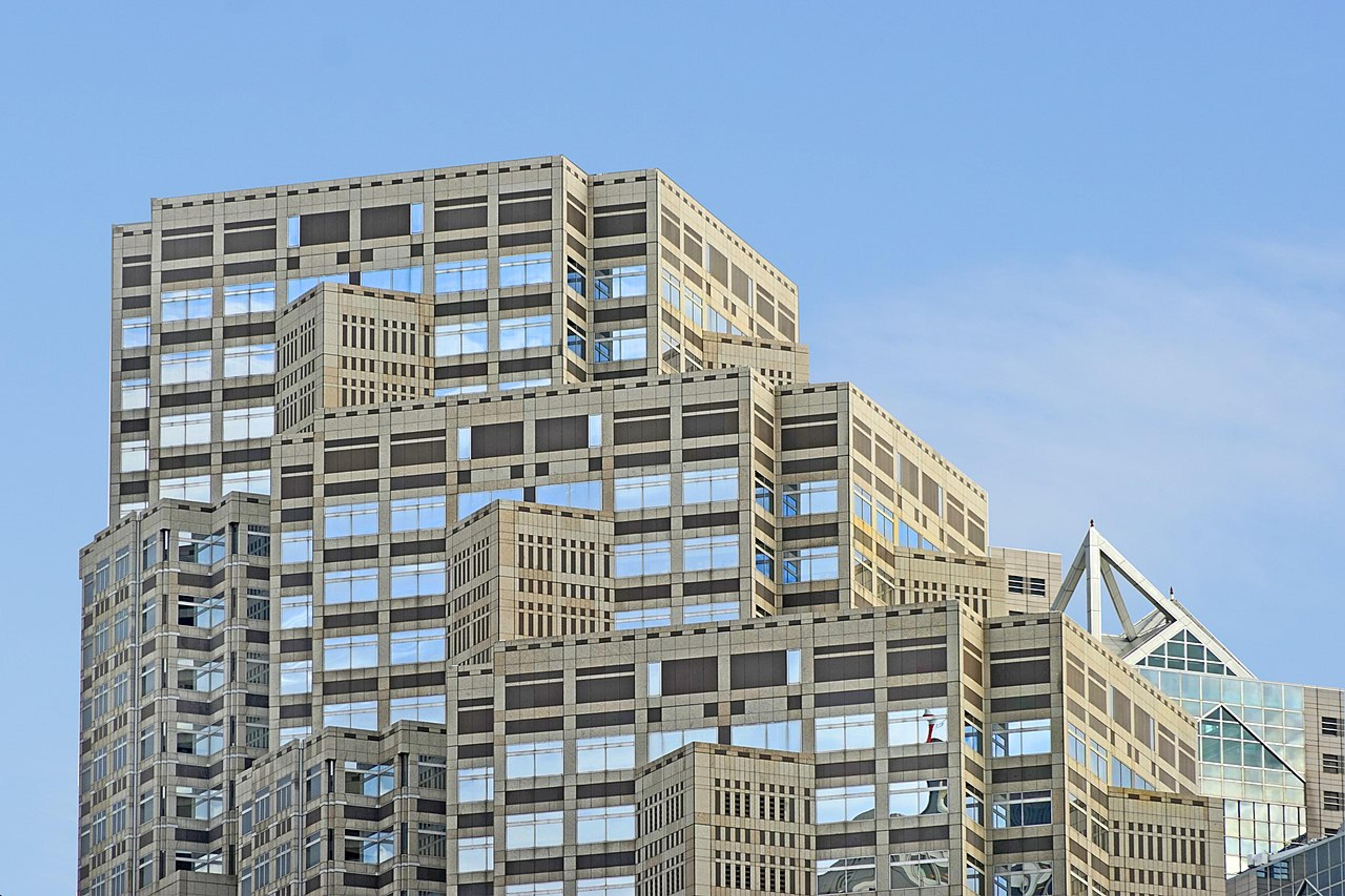
Kenzo Tange and the Metabolists gave postwar concrete a national language. Where to see their work, from Hiroshima's first contemporary art museum to Art Tower Mito.
Koku Editorial · May 25, 2026
5 places in this guide
Postwar Japan rebuilt itself in concrete, and a generation of architects gave that concrete a national language: Kenzo Tange and the Metabolists, who imagined buildings as growing, changeable organisms. Their work is harder to love than Kuma's timber, but it is where modern Japanese architecture was argued out. Here is where to see it.
What the Metabolists were after
Metabolism was a 1960s movement that treated buildings and cities as living systems, capable of growth and replacement, with megastructures and plug-in capsules. Tange was its presiding figure; Kisho Kurokawa and Arata Isozaki carried it forward. The buildings can read as heavy or strange now; read them as arguments about how a fast-modernizing country should build.
Hiroshima: the Museum of Contemporary Art, by Kurokawa
The Hiroshima City Museum of Contemporary Art opened on Hijiyama hill in 1989 as Japan's first public museum dedicated to contemporary art, designed by Kisho Kurokawa. Its materials shift as you climb, from stone to tile to aluminum, a built diagram of Kurokawa's idea of moving from the past into the future. It anchors a hilltop park above the city.
Imabari: Tange's civic buildings
Imabari City Public Hall, built in 1958, is one of a group of buildings Kenzo Tange designed for the city in the same period, raw early-modern concrete from the architect who would go on to plan Hiroshima's Peace Park and Tokyo's Olympic pools. It is a working civic building, best seen from the outside as part of an Imabari or Shimanami stop.
Nagoya: the City Art Museum, by Kurokawa
The Nagoya City Art Museum occupies a Kurokawa building in Shirakawa Park in the central city, a postmodern composition that quotes both Western modernism and Japanese motifs. It pairs easily with the science museum across the park and a day in central Nagoya.
Nagano: the Shiga Kogen Roman Museum, by Kurokawa
In the Shiga Kogen highlands, the Shiga Kogen Roman Museum opened in 1997 to a Kurokawa design built around a conical glass structure. It is a mountain-resort museum, useful as a stop for travelers already heading to the Shiga Kogen slopes or Jigokudani's snow monkeys.
Mito: Art Tower Mito, by Isozaki
Art Tower Mito, in Ibaraki, is a cultural complex anchored by a 100-meter spiraling titanium tower designed by Arata Isozaki for the city's centennial. The tower twists as it rises; the complex below holds a concert hall, theater, and contemporary gallery. It is a short walk from Mito Station.
Planning a Metabolist route
These are scattered and civic, not a single circuit. The Hiroshima museum pairs with a Setouchi trip; the Nagoya museum with a city day; Art Tower Mito with a Kanto side trip. Treat them as punctuation in a wider route rather than a destination in themselves, and check the museums' weekday closures.
Turn this guide into a trip
We'll prioritize these 5 places when building your itinerary.