Southern Kyushu in Summer
Seasonal · Kagoshima · 6 min
A summer guide to southern Kyushu: Ibusuki's sand baths, Kagoshima's nagashi somen, crater lakes, and the tropical edge of mainland Japan.
Koku Travel · April 8, 2026
6 places in this guide
Southern Kyushu in summer is hot, volcanic, and lush. The air is thick. Cicadas are deafening. The sea is warm enough to swim from June through September. And the region's hot springs, paradoxically, feel best when the outside temperature matches the water.
Ibusuki: Buried in Sand
At the southern tip of Kagoshima Prefecture, the beach at Ibusuki is heated from below by volcanic vents. The Sunamushi Kaikan facility has formalized the experience: change into a yukata, walk to the beach, lie in a trench, and attendants bury you in warm black sand up to your neck.
The sand weighs about 20 kilograms. Your pulse drops. Sweat beads on your forehead. After 15 minutes, you emerge and wash off in the indoor onsen. Your skin feels lighter. This is not a gimmick. People have been doing this here for over 300 years.
The view from the beach includes Mount Kaimon, the conical volcano locals call "Satsuma Fuji." On a clear summer evening, the sunset behind the mountain is worth staying for.
Nagashi Somen in the Ravine
Jigenji Somen Nagashi in Kagoshima offers the quintessential Japanese summer experience: cold noodles flowing down bamboo channels filled with spring water. You catch the somen with chopsticks as they pass, dip them in tsuyu, and eat. The lush ravine setting, with the sound of the spring and the shade of overhanging trees, drops the temperature by several degrees.
This is a seasonal operation. Summer only. Arrive by 11 AM to avoid the longest wait.
The Crater Lakes
Lake Ikeda, Kyushu's largest caldera lake, formed 5,700 years ago and drops 233 meters deep. The water is clean enough to see several meters down. In summer, sunflowers bloom along the northern shore, framing the lake and Mount Kaimon in a postcard composition.
Lake Onami sits at 1,239 meters, one of the highest crater lakes in Japan; its rim peaks at 1,412 meters. The cooler altitude is a relief in the Kyushu summer. The 2-kilometer hiking trail around the rim passes through forest and open ridgeline.
Sakurajima in Summer
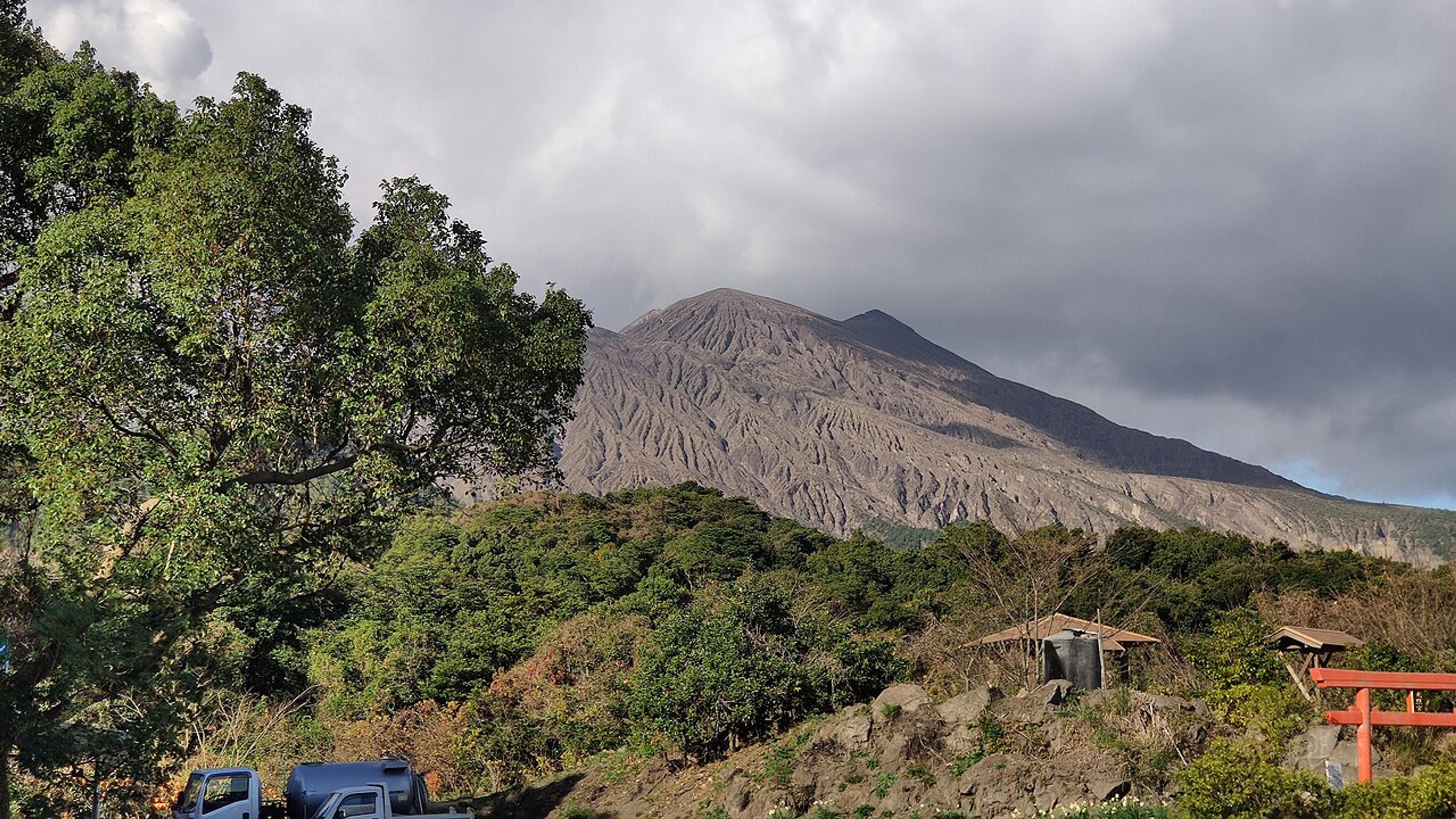
The ferry from Kagoshima to Sakurajima runs 24 hours, and in summer the deck is the place to be. The volcano erupts more frequently in summer months, and seeing a plume rise from the crater while crossing the bay is Kagoshima's most dramatic daily event.
On the island, the Nagisa Park foot bath is heated to volcanic temperatures. In summer heat, dipping your feet in 45-degree water and then walking out into the sea breeze is an odd but effective reset.
Evening: The Yataimura
Back in Kagoshima, Kagomma Furusato Yataimura is an open-air collection of food stalls near Kagoshima-Chuo Station. In summer, the stalls stay open late, and the evening breeze off Kinko Bay makes outdoor eating comfortable. Cold shochu with soda (shochu highball) is the local summer drink. The sweet potato varieties are light enough for the heat.
Getting There
Kagoshima-Chuo Station to Ibusuki: 50 minutes by JR. The sand baths are a 20-minute walk from Ibusuki Station. Lake Ikeda is 30 minutes by bus from Ibusuki. Sakurajima ferry from Kagoshima waterfront: 15 minutes, every 20 minutes during the day.
Turn this guide into a trip
We'll prioritize these 6 places when building your itinerary.