Navigating Japan's Train System Without Losing Your Mind
Blog · 10 min
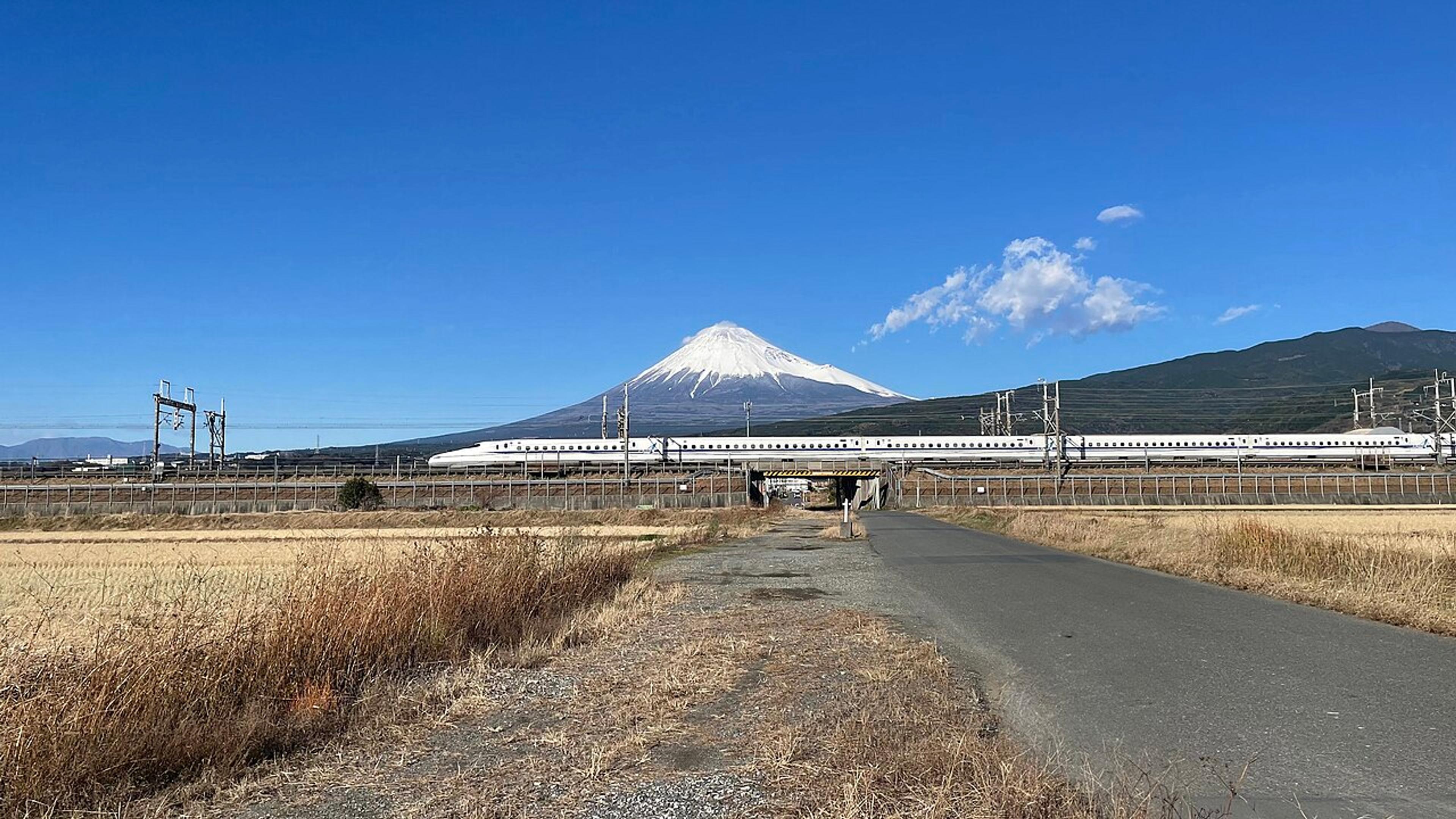
Photo: Manishprabhunejapan, CC BY-SA 4.0.
Japan's rail network is the best in the world, and the most confusing for first-timers. Here's how it actually works.
Koku Editorial · March 7, 2026
4 places in this guide
The Basics
Japan has multiple rail companies operating in the same cities, often in the same stations. Tokyo alone has JR East, Tokyo Metro, Toei Subway, and several private railways (Keio, Odakyu, Tokyu, Seibu, and more). They don't share ticketing systems and their lines appear in different colors on the map. This is why it looks complicated, because it is, structurally. But practically, you don't need to understand the structure. You need an IC card and a navigation app.
Get an IC Card on Day One
An IC card (Suica or Pasmo in Tokyo, ICOCA in Osaka) is a rechargeable transit card that works on virtually every train, bus, and subway in Japan. Tap in, tap out, it charges you the correct fare. You don't need to figure out which company operates the line. You don't need to buy a ticket. You just tap.
Load ¥3,000-5,000 to start. Recharge at any station kiosk (they have an English option). IC cards also work at convenience stores, vending machines, coin lockers, and many restaurants. It's effectively a cash card that also happens to do transit.
iPhone users can add a Suica card directly to Apple Wallet, no physical card needed. Set it up before you land. Android users in Japan can use Google Pay with Suica. This is the most convenient option by far.
The JR Pass Question
The Japan Rail Pass gives you unlimited travel on JR trains (including most shinkansen) for 7, 14, or 21 days. As of late 2023, prices went up significantly: a 7-day pass is now ¥50,000 (~$335). The math only works if you're doing long-distance travel.
A Tokyo-Kyoto round trip on the shinkansen costs about ¥27,000. Add a day trip to Hiroshima (¥24,000 round trip from Kyoto) and you've justified the 7-day pass. But if you're spending most of your time in one or two cities, individual tickets are cheaper. Do the math for your specific itinerary before buying.
JR sells regional passes that are much cheaper than the national pass. The JR Kansai Area Pass covers Osaka-Kyoto-Nara-Kobe and runs roughly ¥2,800 for 1 day up to ¥7,000 for 4 days. The JR East Tohoku Pass covers the north. Check regional options (and current prices on the JR West site) before defaulting to the national pass.
Navigation Apps
Google Maps works for Japanese transit and it's good enough for most trips. Enter your start and end points, select transit, and it'll show you which lines to take, which platform, and exact departure times. It accounts for transfers between different companies.
For power users: Navitime or Jorudan give more detailed results, including platform numbers, car numbers for reserved seats, and real-time delay information. Both have English versions. But Google Maps gets you 90% of the way there.
Shinkansen Tips
The shinkansen (bullet train) is the backbone of inter-city travel. Tokyo to Kyoto takes 2 hours 15 minutes. Tokyo to Hiroshima takes 4 hours. Osaka to Fukuoka takes 2.5 hours. Trains depart every 10-20 minutes on major routes. You almost never need to book in advance, just show up and take the next unreserved car.
Unreserved cars (jiyuseki) are cars 1-3 on most Tokaido shinkansen. Queue on the platform before the train arrives. During peak times (Friday evenings, holiday periods) they fill up. If you want a guaranteed seat, reserve at a JR ticket counter or via the SmartEX app, reserved seats cost about ¥500-1,000 more.
On the Tokyo-Kyoto Tokaido Shinkansen, sit on the right side (seats D and E) heading west to see Mount Fuji. It appears about 40-50 minutes after leaving Tokyo, between Shin-Yokohama and Shizuoka. Clear days in winter offer the best visibility.
Eat on the train. Every major station has ekiben, boxed meals designed for train travel. They're sold on the platform and in the station concourse. A good ekiben costs ¥1,000-1,500 and is legitimately one of the best meals you'll have in Japan. The regional varieties (Fukuoka mentaiko, Sendai beef tongue, Hokkaido seafood) are worth seeking out.
Station Survival
Big stations like Shinjuku, Tokyo Station, and Osaka-Umeda can be disorienting. The key fact: signs are everywhere and they're bilingual. Follow the colored line indicators and the direction arrows. If a sign says your platform is ahead-left, trust it. Japanese station signage is methodical and consistent.
Every station has numbered exits. Your navigation app will tell you which exit to use. Write it down or screenshot it before you descend underground, cell service can be spotty in deep stations.
If you're properly lost, go to the station office (midori-no-madoguchi at JR stations, or the booth near the ticket gates). Staff will help, often with a printed map and hand-drawn route. They're used to helping foreign travelers.
Common Mistakes
Tapping the wrong IC card when you have multiple cards in your wallet. The gate reader picks up whichever card is closest, which might not be the loaded one. Keep your transit card in a separate pocket or use the mobile version.
Missing the last train. Last trains in Tokyo run around 11:30pm-12:15am depending on the line. This is earlier than you'd expect for a 14-million-person city. If you're out late, check your return route by 11pm. Missing the last train means a ¥5,000+ taxi or a manga cafe until 5am.
Some lines run local, rapid, and express services on the same tracks. An express train skips stations, if your stop is local-only, you'll sail past it. Check your app or the platform display board for stopping patterns. The display shows which stations each service stops at.
Japan's train system isn't intuitive on day one. By day three, you'll be navigating transfers without thinking. The system is designed for efficiency and it works, you just need a little time to sync with its logic.
Featured in this guide
Places to Visit
Turn this guide into a trip
We'll prioritize these 4 places when building your itinerary.