Mashiko Pottery Road
Deep Dive · mashiko · 9 min
Mashiko is Japan's most accessible pottery town: walk between kilns, throw your own cup, and see why Hamada Shoji chose this valley to build the mingei movement.
Koku Travel · February 16, 2026
7 places in this guide
The Valley of Kilns
Mashiko is a small town in Tochigi Prefecture, 90 minutes north of Tokyo by train and bus. It has no castle, no famous temple, no mountain overlook. What it has is clay, rich, iron-bearing clay from the surrounding hills, and a tradition of pottery production that stretches back to the mid-19th century. Today, over 300 potters and 50 pottery shops operate within walking distance of the main street. The town smells faintly of wood smoke from climbing kilns, and the roadside displays of cups, plates, and teapots set the visual texture of every block.
Mashiko's significance transcends local craft. This is where Hamada Shoji, one of the most influential potters of the 20th century and a founding figure of the mingei (folk craft) movement, established his workshop in 1930. Hamada chose Mashiko deliberately: the local clay was excellent, the community of working potters was established, and the distance from Tokyo was far enough to escape art-world pretension but close enough for cultural connection. His decision elevated Mashiko from a regional production center to an international destination for ceramic art.
The Hamada Shoji Legacy
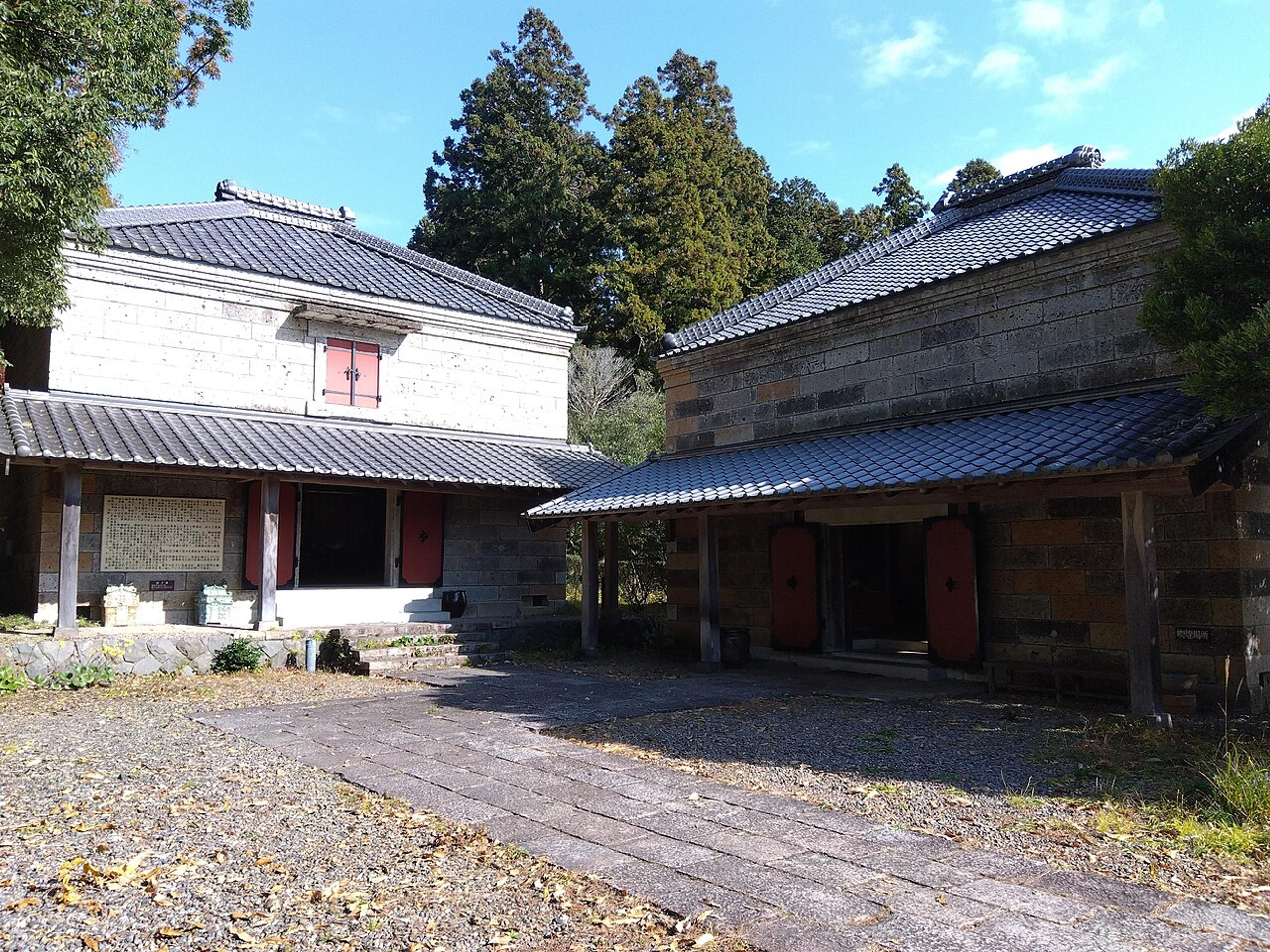
The Mashiko Sankokan Museum, Hamada's former estate, is the essential first stop. The compound includes his house (a relocated Okinawan-style thatched farmhouse), his workshop, three climbing kilns, and a gallery of his personal collection, ceramics from Korea, England (where he worked with Bernard Leach), Okinawa, and his own production. The collection reveals Hamada's eye: every piece, regardless of origin, shares a quality of unforced beauty, the mingei ideal of functional objects made with honest technique and natural materials.
Hamada worked in a style that was deliberately unprecious. He used local Mashiko clay, fired in the same climbing kilns as the town's production potters, and applied glazes made from rice straw ash and local stone. His signature techniques, the kaki (persimmon) glaze, the bold brushwork on flat plates, the heavy stoneware forms, are visible throughout Mashiko's contemporary production. Nearly every potter in town traces an aesthetic lineage to Hamada, whether through direct apprenticeship, study, or the ambient influence of his aesthetic on the entire town.
Hamada was designated a Living National Treasure in 1955, the highest honor for a craftsperson in Japan. He famously refused to sign his work, arguing that the pot should speak for itself without the crutch of the maker's name. His pieces are identified by style, not signature. This philosophy permeates Mashiko: the work matters more than the brand.
Walking the Pottery Road
The main pottery road (Jonaizaka) runs about two kilometers through the center of town, lined with galleries, studios, and pottery shops. The density is extraordinary, every 50 meters brings another shopfront displaying stoneware in the browns, blacks, and ash-whites that define the Mashiko palette. Prices range from ¥500 for a simple yunomi (tea cup) to ¥50,000+ for exhibition pieces by established artists. The sweet spot for quality functional ware is ¥1,500-4,000, well-made cups, plates, and bowls that will outlast anything from a department store.
Several studios along the road welcome visitors to observe potters at work. Tsukamoto, one of the largest studios, has an open workshop where you can watch wheel-throwing, glazing, and kiln loading. Starnet, a gallery-cafe in a beautifully converted farmhouse, pairs Mashiko ceramics with coffee and baked goods, every cup and plate you eat from is for sale. The Higeta Indigo Dyeing Workshop adds a textile dimension, dyeing fabric using traditional methods alongside the pottery studios.
The side streets perpendicular to Jonaizaka often lead to individual potters' studios that are less visible but more personal. Look for small signs reading 'kama' (kiln) or 'kobo' (workshop). Many independent potters welcome visitors when they are not firing, a polite knock and 'sumimasen, kenbutsu dekimasu ka?' (excuse me, may I look?) usually opens the door.
Hands in the Clay
Pottery workshops are Mashiko's most popular visitor activity, and the quality of instruction is high, many teachers are professional potters themselves. Tsukamoto offers a 60-minute wheel-throwing experience (¥3,300) where you shape two to three pieces with guidance. The pieces are fired and shipped to your address within six to eight weeks. For a deeper experience, the Mashiko Pottery School offers half-day courses (¥5,500) covering both hand-building and wheel techniques, with instruction on glaze application.
The physical experience of centering clay on a wheel, the resistance of the material, the surprising amount of water and pressure required, the moment when the lump suddenly yields and becomes symmetrical, is genuinely satisfying even on a first attempt. The instructors are patient and pragmatic: they care about the experience, not the product. If your first cup collapses, they re-center the clay and you try again. Most visitors leave with at least one piece they are proud of, and many return.
The most economical pottery experience is hand-building (tebineri) rather than wheel-throwing: ¥2,000-2,500 for a 90-minute session at most studios. You shape the clay by hand into bowls, plates, or cups without the wheel. The results are rougher but more personal, and the lower price reflects the simpler equipment, not lesser skill in instruction.
The Ceramics Fair
Mashiko's Toki-ichi (Ceramics Fair) runs twice annually, Golden Week (late April to early May) and November 3-5, and transforms the town. Over 500 stalls line the main road and spill into side streets, fields, and parking lots. Potters from Mashiko and across Japan sell directly: production ware, seconds, experimental pieces, and exhibition-quality art. Prices at the fair are typically 10-20% below gallery prices, and the direct interaction with makers adds context that a shop cannot provide.
The November fair is the better of the two. The autumn light in the valley is soft and golden, the surrounding hills are turning color, and the kilns are firing for winter production. The fair draws 200,000-300,000 visitors over three days, so the town becomes genuinely crowded, but the mood is festive rather than oppressive. Food stalls serve local specialties: Mashiko-yaki soba noodles cooked on ceramic plates, fresh tofu from the town's spring water, and Tochigi strawberries (the prefecture is Japan's largest producer).
The Golden Week fair (late April-early May) is larger and more commercial. The November fair (3-5 November) is more intimate and atmospheric. Both require early arrival, serious buyers line up before 8 AM for first pick at popular stalls. Accommodation in Mashiko sells out months ahead during fair weeks; consider staying in Utsunomiya (40 minutes by bus) as a base.
Featured in this guide
Places to Visit


Turn this guide into a trip
We'll prioritize these 7 places when building your itinerary.