Pottery villages, porcelain towns, a lacquer city, a silk-weaving quarter. The craft towns to plan around, from Arita to Mashiko, and where to see the work made.
Koku Editorial · May 25, 2026
7 places in this guide
Japan's craft traditions are rooted in specific towns: a pottery village where 50 kilns share one road, a porcelain town that has fired since the 1600s, a lacquer city, a silk-weaving quarter. Many keep working studios and a museum or center where you can see the craft made. Here are the craft towns to plan around.
Saga: Arita porcelain
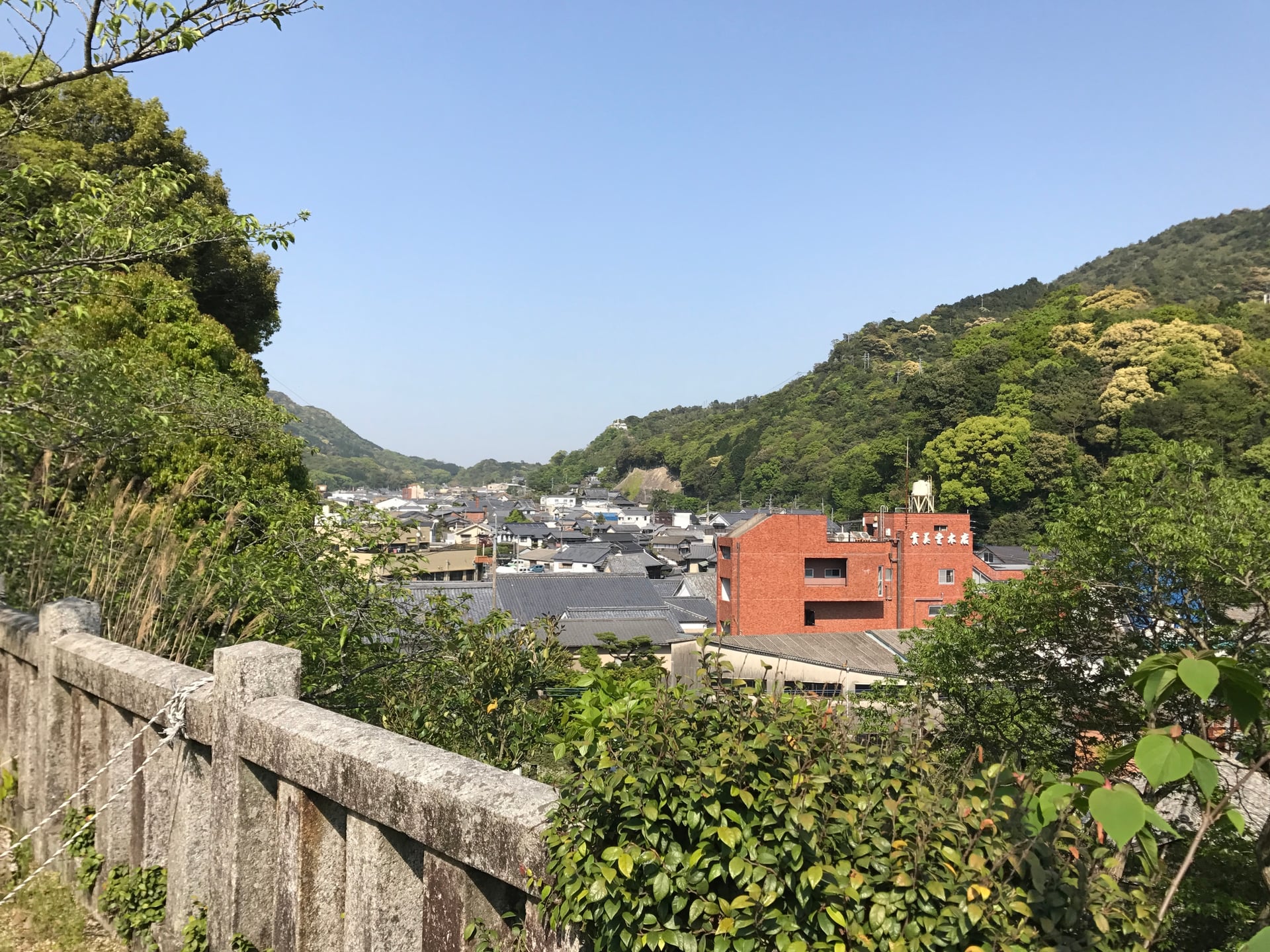
Arita is where Japanese porcelain began, after kaolin clay was found nearby in the early 1600s. The town still fires Arita-yaki, and its ceramics district holds kilns, shops, and a porcelain park; the nearby port of Imari shipped the ware to Europe, where it was prized. Time a visit to the early-May pottery market if you can, when the streets fill with stalls.
Okayama: Bizen pottery
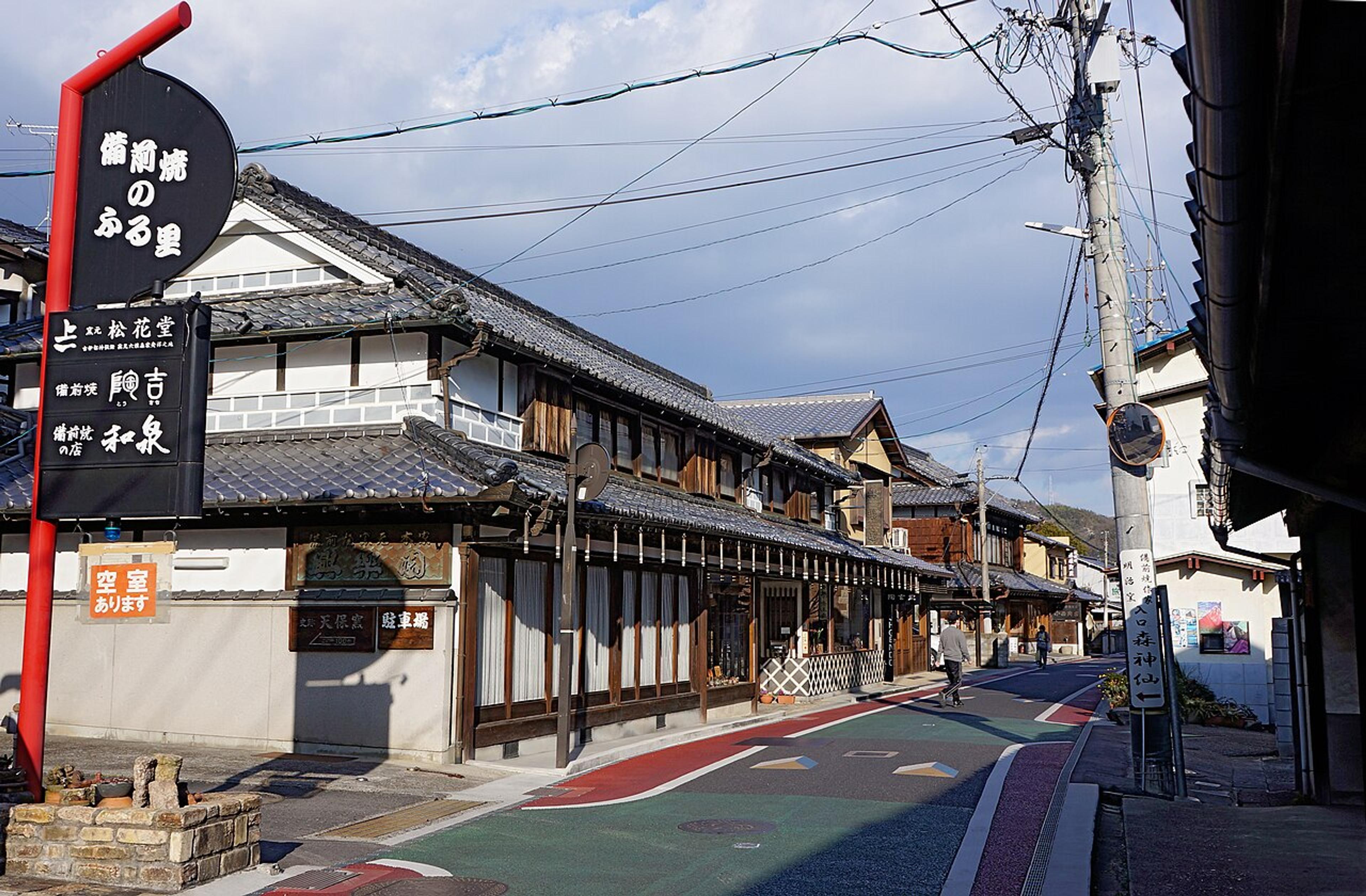
Bizen-yaki is unglazed stoneware, fired long in wood kilns so ash and flame mark each piece, one of Japan's Six Ancient Kilns. The Imbe district in Bizen is the center, where pottery studios, the Bizen Pottery Craft Center, and galleries cluster around the station. The earthy, unglazed surfaces are unmistakable, and the kilns are part of the streetscape.
Tochigi: Mashiko pottery
Mashiko built its reputation in the twentieth century through the folk-craft movement and the potter Shoji Hamada, who worked here. The town holds working studios, a reference collection, and the shops along its main street, and runs large pottery markets in spring and autumn. It is an easy trip from Tokyo for the kilns and the mingei history.
Ishikawa: Kutani and Wajima
Two crafts define Ishikawa. Kutani-yaki is bold overglaze porcelain in deep colors, seen at the Kutaniyaki Art Museum in Kaga and the Kutani Pottery Village near Nomi. On the Noto Peninsula, Wajima-nuri lacquer is built up in many coats over months; the Wajima Lacquer Museum and the Kobo Nagaya workshops show the layered process. Both pair with a Kanazawa-and-Noto route.
Fukui: Echizen washi and pottery
Echizen holds two crafts at once. Echizen washi has been made in its paper villages for centuries, demonstrated at the Washi Village where you can watch sheets pulled by hand. Echizen-yaki, another of the Six Ancient Kilns, fires unglazed stoneware at a nearby pottery village. The two sit close enough to combine in a day in Fukui.
Kyoto: Nishijin weaving
In Kyoto, the Nishijin district has woven Nishijin-ori silk since the city's early centuries, the brocade used in kimono and obi. The Nishijin Textile Center demonstrates the looms and runs kimono showings, a city-center stop that needs no detour. It is the urban counterpart to the rural kiln towns.
Planning a craft-town route
Craft towns reward pairing with their regions: Arita with a Kyushu trip, Bizen with Okayama and the art islands, Mashiko with a Tokyo day trip, Kutani and Wajima with Kanazawa and Noto, Echizen with Fukui. Many studios sell seconds and demonstrate the craft; the pottery markets (Arita and Mashiko in particular) are worth timing a visit around. Workshops often close one weekday, so check before a long trip.

Turn this guide into a trip
We'll prioritize these 7 places when building your itinerary.