Hidden Gems of Okinawa: Beyond the Resort Beaches
Blog · Okinawa · 8 min
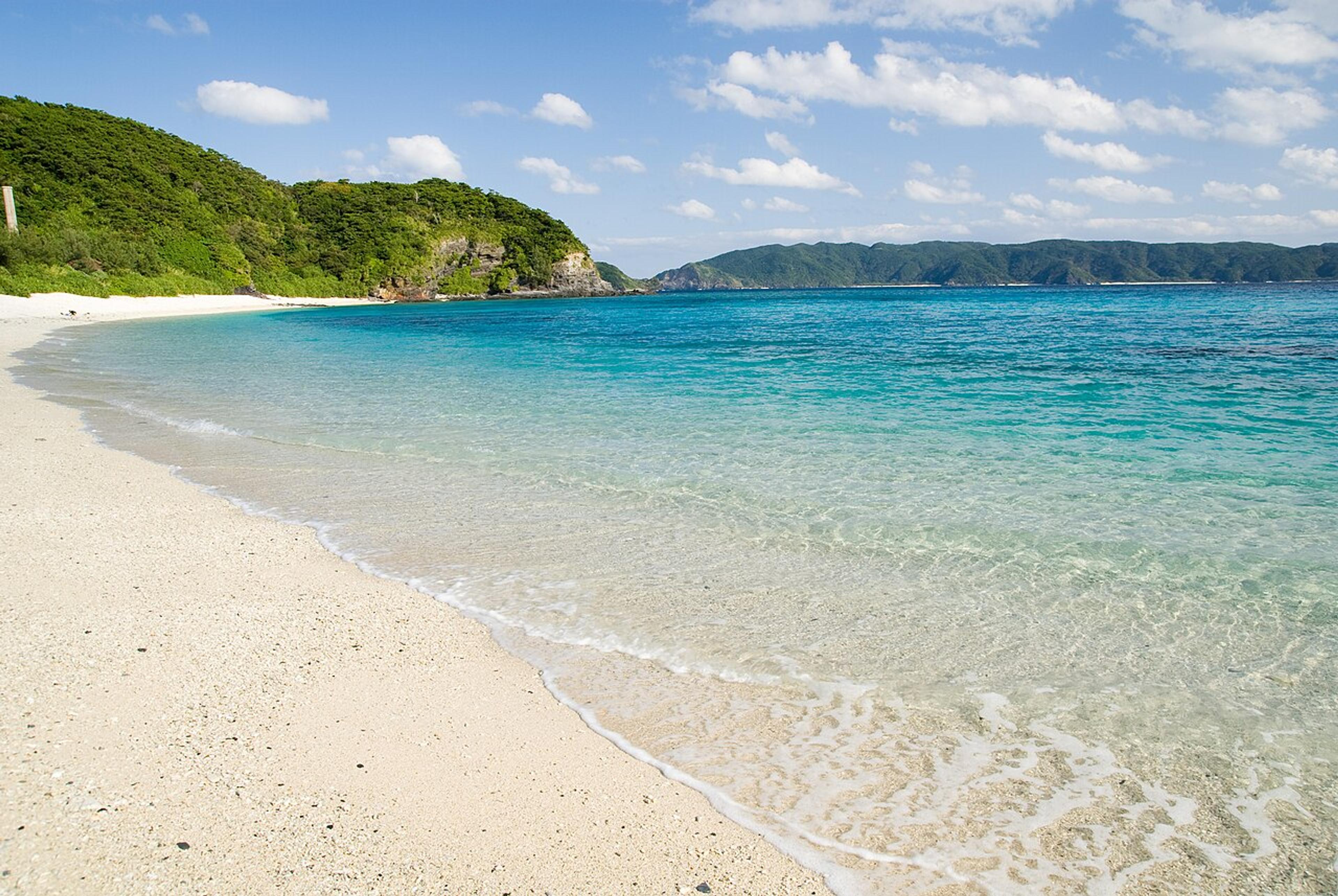
Photo: Hashi photo, CC BY 3.0.
Okinawa has 33 hidden gems past the resort strip: sacred groves, remote islands, and a craft tradition that predates Japan itself.
Koku Editorial · March 7, 2026
8 places in this guide
Not Quite Japan
Okinawa was an independent kingdom, the Ryukyu Kingdom, until 1879. This history is visible everywhere: in the architecture (red-tiled roofs, shisa lion-dog guardians), the food (no soy-sauce-and-wasabi sushi here, think taco rice, goya champuru, and purple sweet potato tarts), and the attitude (tropical, unhurried, distinct from mainland Japan). Most tourists see the resort strip near Naha and the American-influenced central coast. The hidden Okinawa is on the edges.
Yomitan Pottery Village
On the mid-western coast of the main island, Yomitan Pottery Village is a community of over 40 ceramic studios clustered along quiet lanes. The potters here work in the Tsuboya and Yachimun traditions, bold, earthy stoneware with distinctive fish and plant motifs in blue, green, and brown glazes.
Most studios have a shop attached where you buy directly from the maker. Prices are reasonable, a beautiful rice bowl might cost ¥2,000-4,000. Some studios offer workshops. The village is unhurried and genuine; potters are working, not performing. Visit on a weekday morning for the quietest experience.
Yomitan holds a pottery festival in February (dates vary). Potters set up outdoor stalls with discounted seconds and special pieces. It's the best time to buy, and the atmosphere is festive.
Kumejima Island
Two hundred kilometers west of Naha, Kumejima is an island of 8,000 people with some of the most beautiful beaches in Japan. Hatenohama, a 7-kilometer sandbar accessible only by boat, is a strip of white sand in turquoise water that looks computer-generated. But the island's depth goes beyond beaches.
Kumejima has a living tradition of Kumejima-tsumugi silk weaving, designated an Important Intangible Cultural Property. The silk is dyed with local plants and mud, producing subtle earth tones. Workshops are available at the weaving center. The island also has excellent diving, sea turtle nesting beaches, and a pace of life that makes even Okinawa's main island feel rushed.
Valley of Gangala (Nanjo)
South of Naha, a collapsed limestone cave has formed a subtropical valley filled with massive banyan trees, fern-covered rock walls, and archaeological sites where 18,000-year-old human remains were discovered. The Valley of Gangala feels prehistoric, because it is.
Access is by guided tour only (¥2,500, 80 minutes, book in advance). The guides are knowledgeable about the geology, the archaeology, and the Ryukyuan mythology associated with the site. The tour starts from a cave entrance that doubles as a cafe, you drink coffee inside a cavern before descending into the valley. It's theatrical and effective.
Yanbaru Forest (Kunigami)
The northern third of Okinawa's main island, the Yanbaru region, is subtropical forest, recently designated a UNESCO World Heritage site. This is the habitat of the Okinawa rail (yanbaru kuina), a flightless bird found nowhere else on Earth. The forest is dense, humid, and rich with endemic species.
Daisekirinzan, a geological park in the forest, has walking trails through dramatic karst limestone formations, sharp spires and towers draped in tropical vegetation. The views from the observation platforms extend to the ocean. ¥1,200 entry. The drive from Naha takes about two hours; the landscape change from urban coast to wild forest is dramatic.
Okinawa's rainy season (May-June) keeps most tourists away, but the Yanbaru forest is actually most alive during this period, waterfalls are full, the vegetation is at peak green, and wildlife is active. Bring rain gear and embrace it.
Kafubanta (Uruma)
On the eastern coast of the main island, Kafubanta is a cliff-top viewpoint overlooking the Pacific Ocean and the Katsuren Peninsula. The 120-meter cliffs drop straight into blue water, and on clear days you can see several offshore islands. There's a small park at the top with walking paths along the cliff edge.
Kafubanta is free, usually empty, and offers one of the most dramatic ocean views in Okinawa, without the resort infrastructure that lines the west coast. Pair it with a visit to the nearby Katsuren Castle ruins (UNESCO World Heritage, free entry), which sit on a hilltop with 360-degree views.
Shiraho Reef (Ishigaki)
On the southern coast of Ishigaki Island in the Yaeyama chain, Shiraho Reef is one of the largest blue coral colonies in the northern hemisphere. The reef stretches for nine kilometers and supports an extraordinary diversity of marine life. Snorkeling here, with or without a guide, puts you directly above corals that are centuries old.
Conservation efforts have kept the reef intact despite development pressure. Local guides offer eco-snorkeling tours (¥5,000-8,000) that include reef ecology education. The water is warm enough for comfortable snorkeling from April through November.
Okinawa's Real Identity
The hidden Okinawa isn't about finding empty beaches (though those exist). It's about engaging with a culture that predates Japanese unification, Ryukyuan pottery, textile dyeing, sacred groves, island traditions that have more in common with Southeast Asia than with Kyoto. The resort strip is convenient, but the real Okinawa starts where the resort strip ends.
Turn this guide into a trip
We'll prioritize these 8 places when building your itinerary.