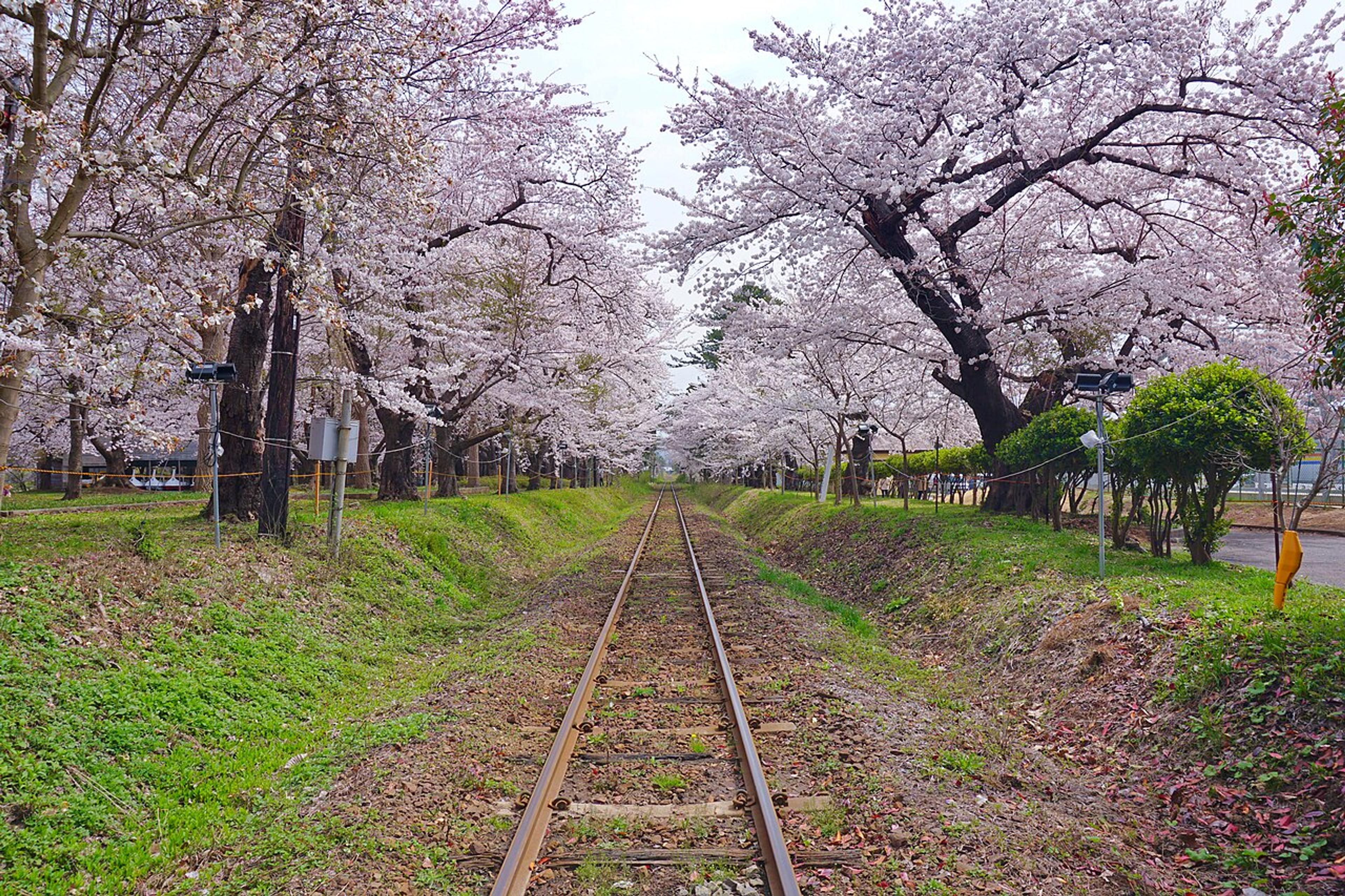
Japan's cherry blossom season is a moving window. Here's how to time it, where to go, and what people get wrong.
Koku Editorial · March 7, 2026
9 places in this guide
The Window
Cherry blossom season in Japan isn't a single event, it's a wave that moves from south to north over roughly six weeks. Okinawa blooms in January. Kyushu and Shikoku start in late March. Tokyo and the Kansai region (Kyoto, Osaka, Nara) peak in late March to early April. Tohoku peaks in mid-April. Hokkaido finishes the season in early May.
Full bloom (mankai) lasts about one week at any given location. The window between first bloom and petal fall is 10-14 days. This means planning a trip "for cherry blossom season" requires targeting a specific region and accepting that timing is partly a gamble. Climate variation means peak dates shift 1-2 weeks year to year.
The Japan Meteorological Corporation publishes updated sakura forecasts starting in January at sakura.weathermap.jp. Check it weekly as your trip approaches. The forecast accuracy improves dramatically in March.
Best Viewing Spots by City
Tokyo
Shinjuku Gyoen is the single best spot in Tokyo. The garden has over 1,000 trees across multiple varieties (some bloom earlier, some later, extending the window), and unlike most parks, alcohol is banned, which means the atmosphere is calm and picnic-friendly rather than rowdy. ¥500 entry.
Chidorigafuchi moat near the Imperial Palace is the one to row: rent a rowboat (¥800/30min) and paddle under a tunnel of blossoms. Ueno Park is the most famous hanami spot but also the most crowded. Meguro River is Instagram-famous and lit up at night.
Kyoto
The Philosopher's Path is a two-kilometer canal-side walk lined with cherry trees. Walk it early morning (before 8am) to avoid crowds. Maruyama Park is Kyoto's main hanami gathering spot, the massive weeping cherry at its center is lit up at night and it's one of the most photographed trees in Japan.
For a quieter experience: Daigo-ji temple in southeast Kyoto has a famous cherry blossom approach, and the hilltop Yoshida Shrine area offers blooms without the valley-floor congestion.
Beyond the Usual
Mount Yoshino in Nara Prefecture has 30,000 cherry trees blanketing an entire mountainside, the effect is staggering at scale. Hirosaki Castle in Aomori (northern Honshu) has a moat that turns pink with fallen petals in late April, creating a surreal floating carpet effect.
If you miss peak bloom in one city, move north. A trip that starts in Kyoto and ends in Sendai or Kakunodate can catch blossoms across two to three weeks.
Hanami Culture
Hanami (flower viewing) is the practice of gathering under cherry trees to eat, drink, and enjoy the blossoms. It's less "nature appreciation" and more "outdoor party with a beautiful excuse." Groups claim spots in parks early in the morning by laying down blue tarps, in popular parks, someone from the office will be dispatched at 6am to secure a good spot for the evening gathering.
As a visitor, you can join in. Grab a convenience store bento, some drinks, and a ground sheet, and find an open spot in any park. Nobody will mind. Hanami is communal by nature.
Don't shake the trees for photos (this damages them and locals find it disrespectful). Clean up your trash completely when you leave, carry a plastic bag. If you're near someone else's tarp, keep your volume and space reasonable.
What to Pack
Cherry blossom season weather is unpredictable. Tokyo in late March averages 12-17°C (54-63°F) during the day and can drop to 5-7°C at night. Rain is common. Pack layers: a light down jacket or fleece, a water-resistant outer layer, and one warm layer for evening hanami.
Allergy sufferers: Japanese cedar pollen season overlaps with cherry blossom season (February-April). It's intense. Pack antihistamines from home. Japanese pharmacy options are effective but milder. Masks help and nobody will look at you twice for wearing one.
Shoes: you'll be walking more than usual, often on uneven park paths. Comfortable walking shoes that can handle wet ground. Leave the white sneakers at home.
Timing Your Trip
If you can only pick one week and you're visiting Tokyo or Kyoto, aim for the last week of March through the first week of April. You have roughly a 70% chance of hitting peak bloom. If blossoms are early, you'll catch full bloom. If they're late, you'll catch early bloom, which is still beautiful.
The safest strategy: book a 10-day trip spanning late March to early April, and build flexibility into your itinerary. If Tokyo peaks while you're in Kyoto, take a day trip. If Kyoto is still in early bloom, spend an extra day there and adjust your northern plans.
Cherry blossoms are beautiful because they don't last. The Japanese have a word for it, mono no aware, the bittersweet awareness of impermanence. The scramble to catch peak bloom is part of the experience.

Turn this guide into a trip
We'll prioritize these 9 places when building your itinerary.