Kyoto's Gion Matsuri, Osaka's Tenjin, Tohoku's Sanya circuit, and Tokushima's Awa Odori. Dates, accommodation lead times, and where to actually stand.
Yuku Japan · May 4, 2026
Japan's summer matsuri cluster runs from early July through mid-August. Some are massive (Aomori Nebuta draws over three million attendees, Sendai Tanabata over two million), some are quiet, all run on fixed dates that ladder into peak heat. Here's the working calendar.
When to go
- Kyoto Gion Matsuri: July 1 to 31, with the Yamaboko Junko float parades on July 17 (Saki, 09:00) and July 24 (Ato, 09:30)
- Tenjin Matsuri (Osaka): July 24 to 25; the main day is July 25, with the Funa-togyo river procession around 18:00 and the Honohanabi fireworks at 19:30 (about 5,000 shells over 90 minutes)
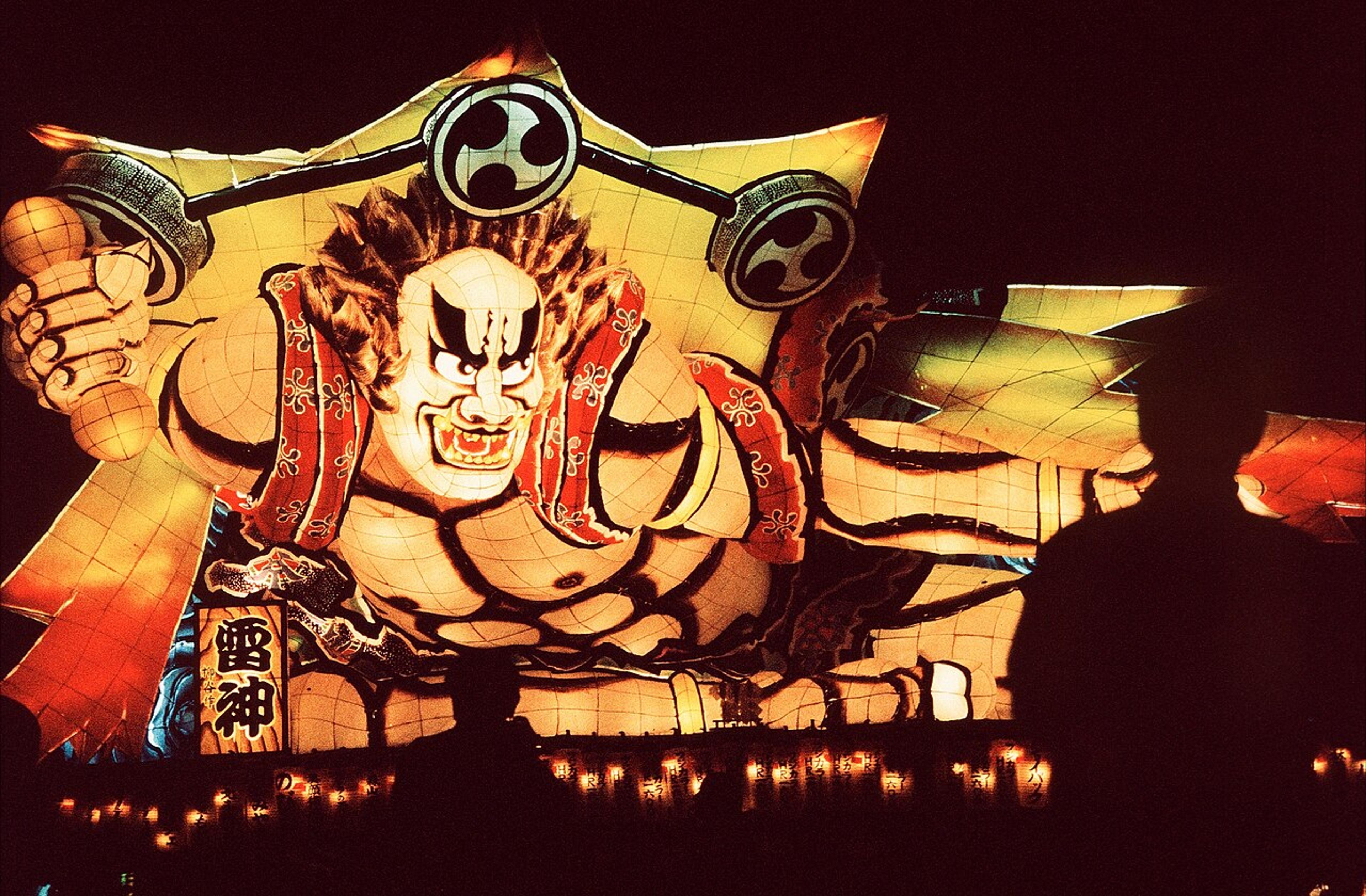
- Aomori Nebuta: August 2 to 7, illuminated paper floats parade nightly; the August 7 program is a 13:00 daytime parade plus an evening marine procession with hanabi over the bay
- Akita Kanto: August 3 to 6, balance-pole performances along Chuo Dori from 18:15 to 21:00
- Sendai Tanabata: August 6 to 8, more than 3,000 fukinagashi streamers along the Ichibancho and Chuo arcades, with pre-festival fireworks on August 5 along the Hirose River
- Awa Odori (Tokushima): August 11 to 15, the headline Bon-dance festival; the August 11 opening is staged events, the street parades run August 12 to 15
The Tohoku Sanya circuit (Nebuta, Kanto, Tanabata) overlaps on August 5 to 6, so book lodging six months ahead if chasing more than one.
Kyoto: Gion Matsuri
Goes for the full month, but the parades that matter are the Yamaboko Junko float processions on July 17 (Saki Matsuri, 09:00 start) and July 24 (Ato Matsuri, 09:30 start). The hoko, the larger nine floats in the lineup, stand up to 25 metres tall and weigh up to 12 tons, hand-pulled around the corner of Shijo-Karasuma at the cost of dozens of crew. Yoiyama nights (July 14 to 16, July 21 to 23) close the streets to traffic and turn the float-storage neighbourhoods into a slow walking festival. Get to the Shijo-Karasuma corner by 08:30 for a clear view of the lead float; central Kyoto hotels list at peak rates from July 14 onward.
Aomori: Nebuta
About 20 large illuminated paper floats parade nightly along central Aomori. Start times shift by day: 19:00 on August 2 to 3, 18:45 on August 4 to 6. The August 7 program is a 13:00 daytime parade plus an evening marine procession with hanabi over the bay. Reserved viewing seats go on sale in early summer via the Aomori Nebuta Festival office; standing along the route is free. Aomori City hotels typically sell out by April for the Nebuta dates; Hirosaki is the JR Ou Line backup, about 45 minutes south.
Akita: Kanto
Performers balance 12-metre bamboo poles strung with up to 46 paper lanterns, swapped from palm to forehead to hip. Daytime competitive sessions run at Senshu Park and the plaza around the Akita Museum of Art. The night parade runs August 3 to 6, 18:15 to 21:00, along Chuo Dori, with around 270 illuminated kanto in motion at peak. Stand along the route; the venue is broad, queues are short.
Tokushima: Awa Odori
Around 1.3 to 1.5 million visitors over five days; ren (dance troupes) parade through eight downtown stages. The August 11 opening is staged events and indoor shows; the main street parades run August 12 to 15 from 18:00 to 22:30. Book Tokushima accommodation as soon as flights are scheduled. The city sells out, and last trains to nearby cities depart before the parades end.
Logistics
Heat and humidity are the hidden cost: late July through mid-August runs 32 to 36°C with 70%+ humidity in most matsuri host cities. Carry water, take shade between performances, and plan only around the matsuri itself for daytime hours. Most JR limited-express seats on the Tohoku Sanya circuit are reservable thirty days ahead at 10:00 JST.