The Miura Peninsula is Kanto's most underrated coast: Yokosuka's navy heritage, Sarushima island, Jogashima's wild cape, and Misaki Port's legendary tuna.
Koku Travel · February 16, 2026
5 places in this guide
The Peninsula Below Kamakura
The Miura Peninsula hangs below Kamakura like an afterthought, the southernmost point of Kanto before the Pacific opens wide. Most visitors to this part of Kanagawa stop at Kamakura's temples and Enoshima's island, never continuing south. The Miura coast rewards those who do: a naval port city with its own curry culture, Tokyo Bay's only uninhabited island, a wild Pacific headland, and a tuna auction town that rivals Tsukiji for freshness if not for fame.
The Keikyu Line from Shinagawa reaches Yokosuka in under an hour and continues south to Misakiguchi at the peninsula's tip. The entire coast can be covered in a long day trip, though a night in Misaki or Jogashima adds the luxury of a Pacific sunset and fresh-caught dinner. Bring walking shoes, the best sections of coast are trails, not roads.
Yokosuka Navy Curry
Yokosuka has been a naval port since the end of the Edo period, first for the shogunate's modernization efforts, then for the Imperial Japanese Navy, and since 1945 for the US Seventh Fleet and Japan's Maritime Self-Defense Force. The naval heritage shapes the city's identity, and its most distinctive culinary export is kaigun curry (navy curry): a thick, slightly sweet Japanese curry said to derive from British Royal Navy recipes imported during the Meiji era when Japan modeled its navy on Britain's.
Over 40 restaurants in Yokosuka serve officially certified Yokosuka Navy Curry, each following a base recipe adapted from a Meiji-era naval cookbook. The curry is served on a plate (not in a bowl) with rice shaped into a mound, a glass of milk on the side, and a salad, the prescribed naval meal format. The curry itself is rich, dark, and moderately spiced, with a sweetness from slow-cooked onions and fruit chutney. The best-known spot is Yokosuka Kaigun Curry Honpo near Yokosuka-Chuo Station, where the lunch set runs ¥950. The Tourist Information Center near the station provides a curry stamp rally map, visit five certified shops and earn a commemorative navy curry pin.
The YOKOSUKA Gunko (Naval Port) Cruise departs from Shioiri Pier several times daily (¥1,600, 45 minutes) and loops past both the JMSDF and US Navy bases. You will see active destroyers, submarines, and the occasional aircraft carrier from remarkably close range. Commentary is in Japanese only, but the visual spectacle needs no translation.
Sarushima: Tokyo Bay's Uninhabited Island
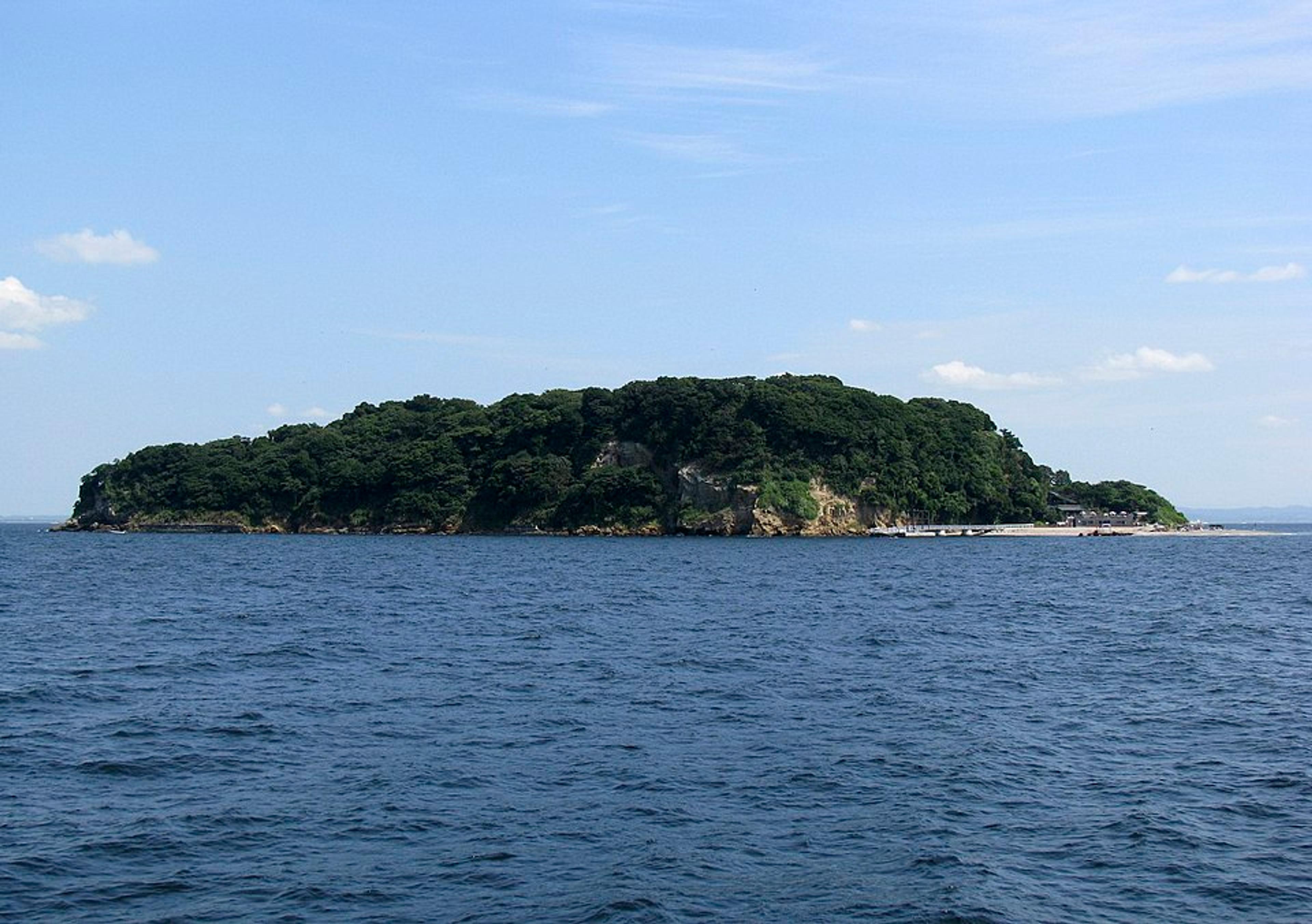
Sarushima (Monkey Island) is the only natural island in Tokyo Bay and the only uninhabited one. A 10-minute ferry from Mikasa Park pier in Yokosuka (¥1,500 round trip, runs March-November) deposits visitors on a small island of brick ruins, tunnels, and dense forest. The island served as a fortress from the Edo period through World War II, and the remains, brick-lined ammunition magazines, gun emplacements, observation tunnels, are scattered through the vegetation like a post-apocalyptic garden.
The island is small enough to walk in an hour. The path circuits the shore, passing rocky beaches, tidal pools, and viewpoints across the bay to the Boso Peninsula. BBQ areas near the pier are popular in summer (equipment rental available on-island), and the swimming beach on the north side is the cleanest in the Tokyo Bay area. The overgrown fortifications, with tree roots cracking through brick arches and ferns colonizing gun ports, have an atmosphere that oscillates between eerie and beautiful.
Sarushima ferry service is seasonal, regular service runs late March through November, with limited winter departures on weekends only. Check the schedule before traveling. The island has basic toilets and a small shop but no restaurant. Bring food and water, especially if visiting outside summer peak when the BBQ vendors operate.
Jogashima and the Pacific Headlands
Jogashima is the southernmost point of the Miura Peninsula, connected to the mainland by a short bridge from Misaki. The island is a kilometer-long slab of volcanic rock jutting into the Pacific, topped by the Jogashima Lighthouse (one of Japan's oldest Western-style lighthouses, built 1870) and laced with coastal walking trails that offer views across Sagami Bay to the Izu Peninsula and, on clear winter days, Mount Fuji.
The Jogashima Park trail follows the southern cliff edge through wind-sculpted vegetation to rocky coves where the Pacific crashes against columnar basalt. The geological formations are dramatic, wave-eroded caves, sea stacks, and tidal platforms covered in marine life. The Umanose Dong cave, accessible at low tide, extends 30 meters into the cliff. The poet Kitahara Hakushu lived on Jogashima and his memorial stands near the lighthouse, inscribed with his poem about the island's wild beauty. The walking circuit takes about 90 minutes and is among the best coastal walks in the Kanto region.
Winter (December-February) offers the clearest visibility for Mount Fuji views from Jogashima, summer haze typically obscures the mountain. The wildflower display on the cliff-top meadows peaks in April-May. Summer weekends are crowded with fishing groups. The lighthouse grounds are open year-round but the tower interior has limited opening days, check the Jogashima Park website.
Misaki Port: Tuna Capital
Misaki Port is the largest tuna landing port in the Kanto region, and the town's identity is built entirely around maguro (tuna). The port area is lined with restaurants serving tuna in every conceivable preparation: sashimi, negitoro (minced fatty tuna with scallion), tuna cheek steak, tuna eye soup, tuna ramen, and the Misaki specialty, toro-toro don, a bowl of rice topped with multiple cuts of tuna from lean akami to fatty otoro.
The Urari Marche, a waterfront market complex, houses fishmongers selling fresh and frozen tuna alongside local vegetables, seaweed, and Miura daikon radish (the peninsula's other famous product). Tuna offcuts sold here at ¥300-500 per pack would cost triple at a Tokyo sushi counter. The adjacent fish market conducts tuna auctions on Sunday mornings, not as theatrical as the former Tsukiji tuna auction, but accessible, uncrowded, and real. Lunch at any of the harbor-front restaurants costs ¥1,200-2,000 for a generous tuna set meal.
The Keikyu Misaki Maguro Day Trip Ticket (¥3,570 from Shinagawa) bundles a round-trip train ticket, a bus pass for the Miura Peninsula, and a meal voucher valid at over 30 participating restaurants. It is one of the best-value day trip passes in the Kanto region and eliminates the need to calculate individual fares.
Featured in this guide
Places to Visit

Turn this guide into a trip
We'll prioritize these 5 places when building your itinerary.