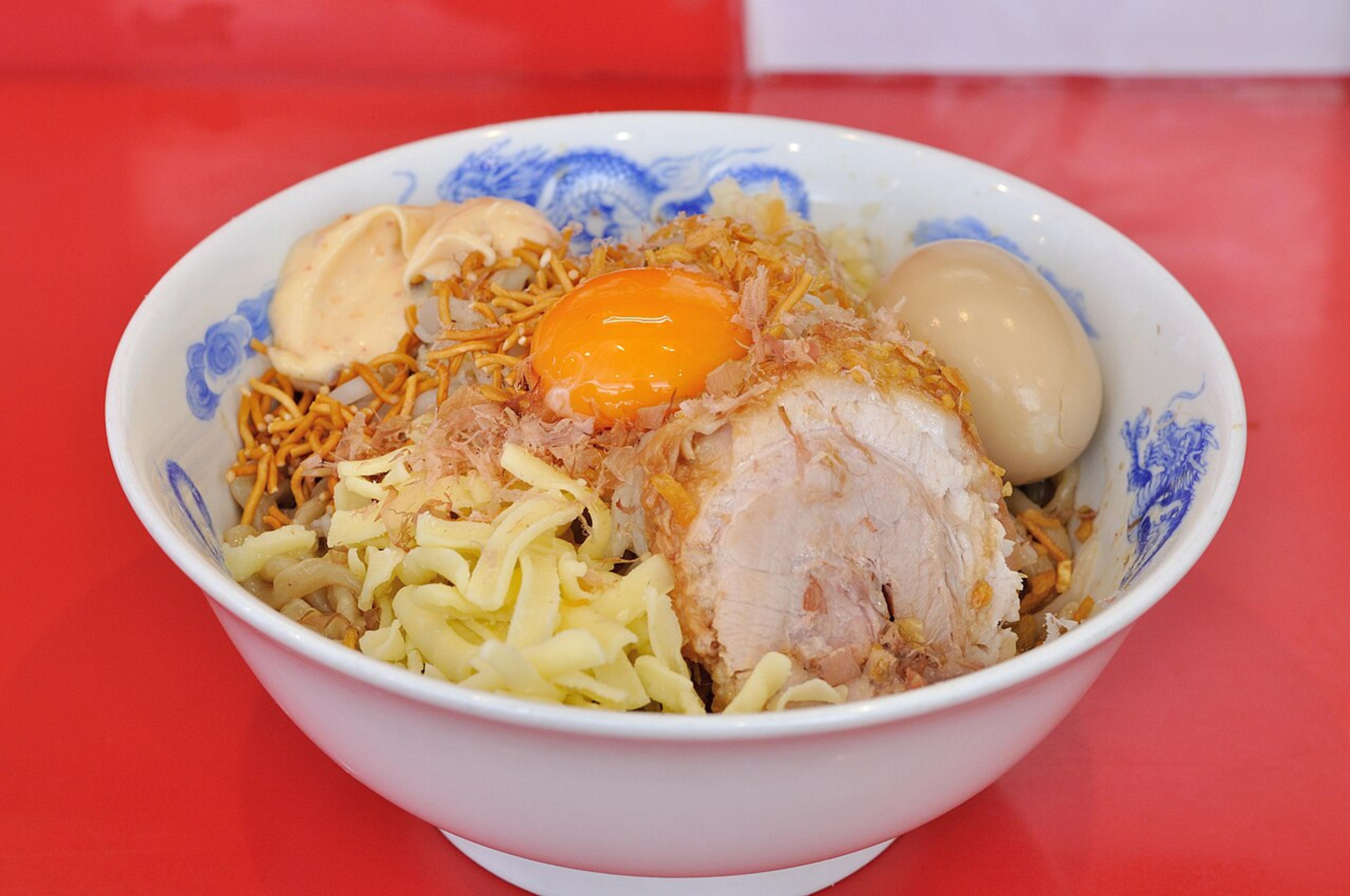
Ramen is regional before it is national. A route through the regional styles, with a known shop for each, from Hakata tonkotsu to Sapporo miso and the Setouchi bowls.
Koku Editorial · May 25, 2026
6 places in this guide
Ramen in Japan is regional before it is national. Each city defends its own broth, noodle, and topping, and a bowl in Fukuoka tastes nothing like one in Sapporo. Here is a route through the regional styles, with a known shop for each, so you can taste the differences rather than read about them.
How regional ramen splits
The broad divisions: tonkotsu (pork-bone) in the south and Kyushu, miso in the north and Hokkaido, shoyu (soy) and shio (salt) through the center, with local variants everywhere. Noodle thickness, topping, and richness shift with the broth. Order the house style rather than asking for a favorite from elsewhere; the shop is built around one bowl.
Fukuoka: Hakata tonkotsu
Fukuoka is the home of Hakata tonkotsu: a thin, straight noodle in a milky pork-bone broth, with a kae-dama (noodle refill) system for the second helping. Shin-Shin in Tenjin serves a lighter, approachable version of the city style and is a Fukuoka institution. The broth is the point; order it without over-customizing the first time.
Sapporo and Hakodate: miso and shio
Hokkaido splits its own way. Sapporo is the home of miso ramen, a rich bowl built for the cold, often finished with butter and corn. Hakodate, by contrast, keeps a clear shio (salt) broth; Hakodate Ramen Room 18 earned a Michelin Bib Gourmand for its version. The two cities a few hours apart make the clearest in-region contrast in the country.
Hiroshima and Onomichi: the Setouchi style
Hiroshima keeps an older soy-based bird-and-fish broth; Tsubame is one of the city's longest-running shops working that line. Along the coast, Onomichi ramen adds small discs of pork back-fat to a soy base, a regional marker worth seeking on a Setouchi trip. These are lighter bowls than the southern tonkotsu.
Matsuyama and Mitoyo: Shikoku's own
Shikoku has quietly built its own bowls. In Mitoyo near Takamatsu, Hamando is credited with inventing Sanuki ramen, drawing on the prefecture's udon-dashi heritage. In Matsuyama, Nishiki Iwamoto holds a Michelin Bib Gourmand. Both reward a detour on a Shikoku route.
Sendai and Morioka: Tohoku bowls
Tohoku rewards the ramen traveler too. In Sendai, Dashiro has won attention for a rich shellfish-and-fish broth, a modern take on the form. Morioka, better known for its other noodles, also carries strong shops near the station. These are good cold-weather stops on a northern trip.
How to eat ramen well
A few notes. Many shops use a ticket machine at the door; buy before you sit. Slurping is normal and cools the noodle as you eat. Eat quickly once it arrives, while the noodle holds its texture. In Fukuoka, the kae-dama refill is half the experience; order it when your noodles run low but broth remains. And take the house style as given rather than asking for another city's bowl.
Turn this guide into a trip
We'll prioritize these 6 places when building your itinerary.