Rebun & Rishiri: Japan's Northern Edge
Itinerary · wakkanai · 8 min
Rishiri's volcanic cone rises from the sea. Rebun's alpine flowers bloom at sea level. Together they form Japan's most remote island destination.
Koku Travel · February 16, 2026
5 places in this guide
The Far North
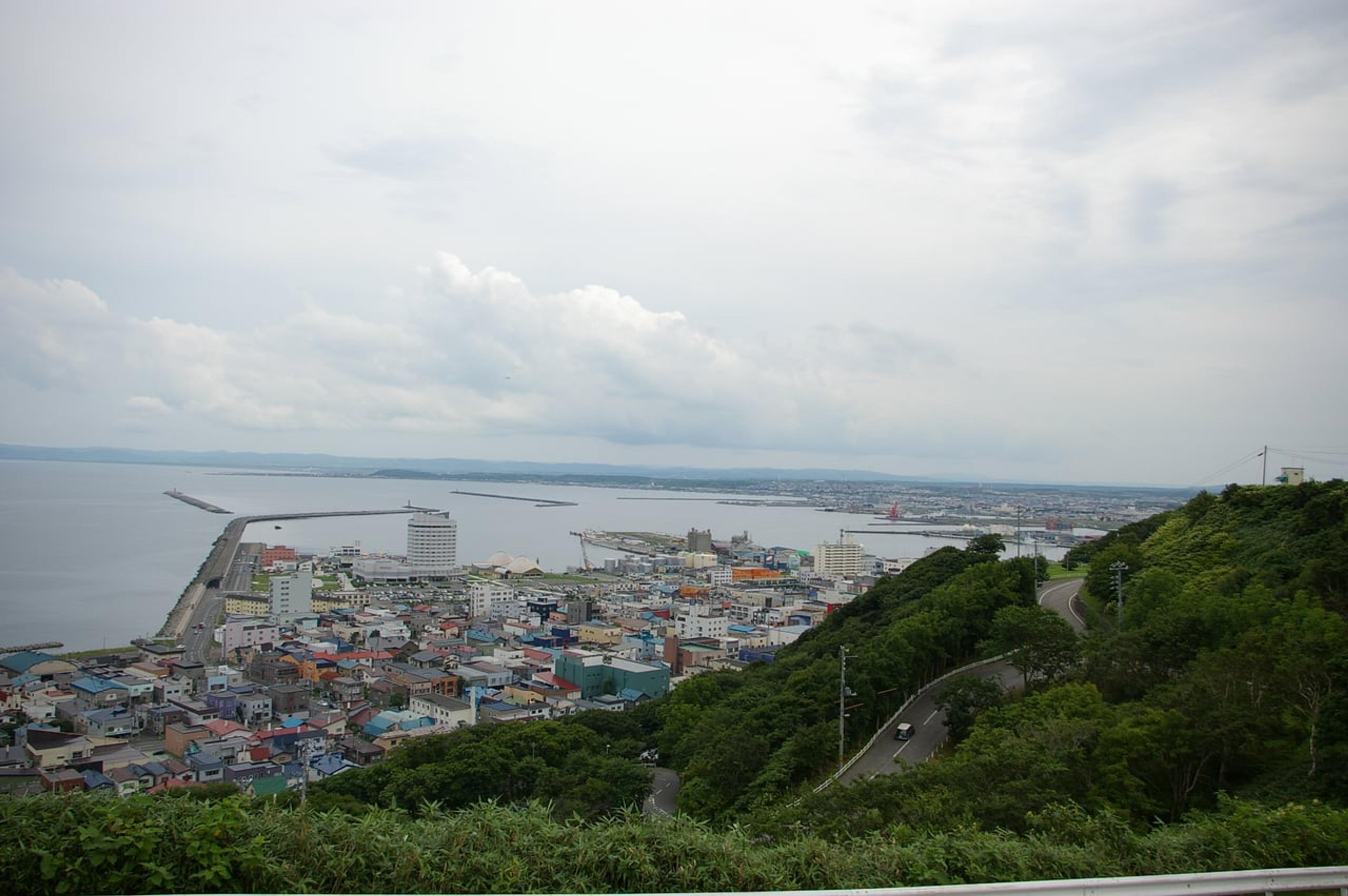
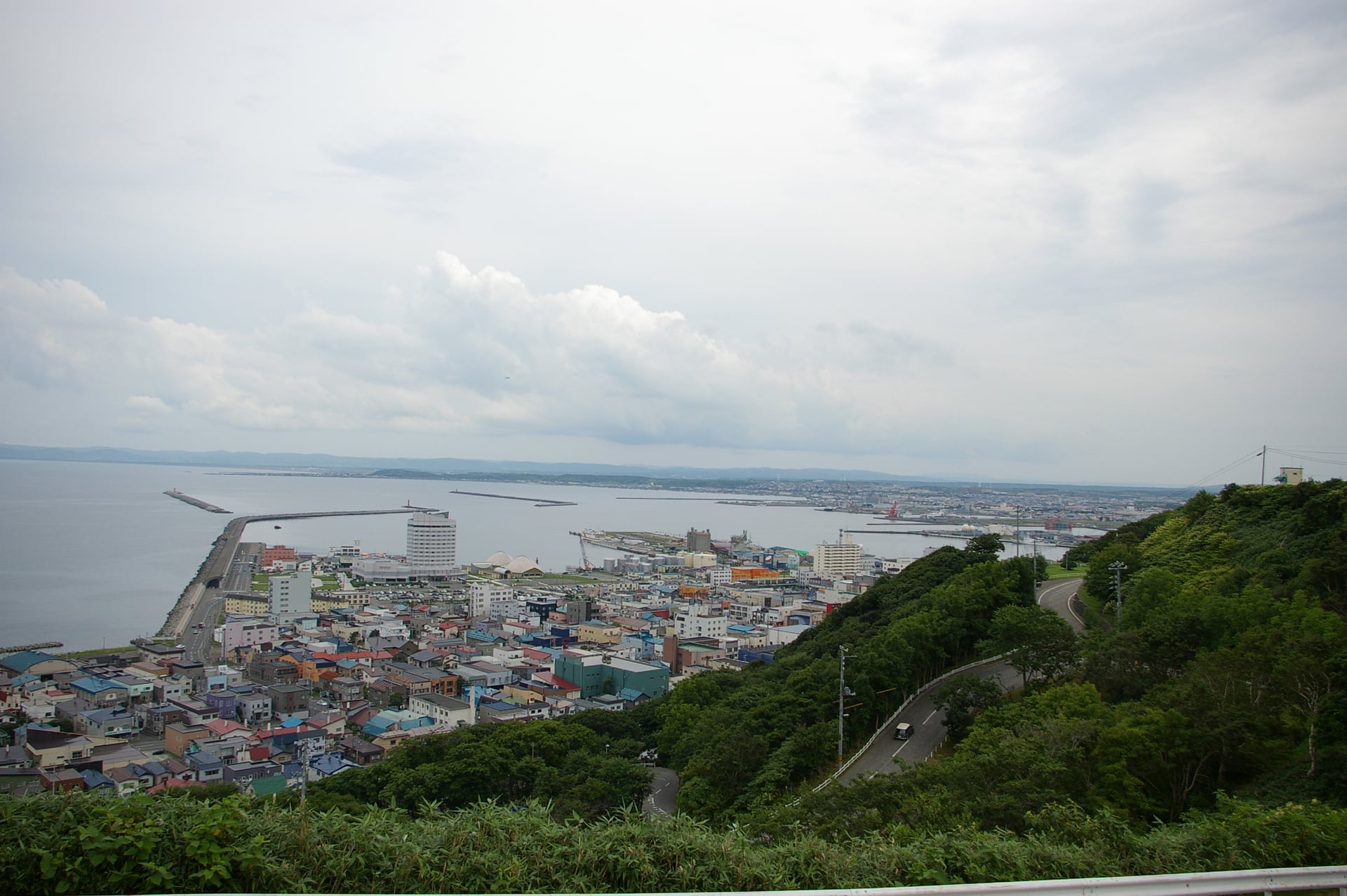
Wakkanai, on the northern tip of Hokkaido, is Japan's northernmost city, a wind-battered port where Russia's Sakhalin Island is visible on clear days, just 43 kilometers across the strait. The city itself is functional rather than pretty: a ferry terminal, a train station marking the end of JR Hokkaido's northernmost line, a few hotels. But Wakkanai exists as a gateway. Two ferries depart daily for the islands of Rishiri and Rebun, floating on the horizon like a promise.
Rishiri and Rebun sit in the Sea of Japan about 50 kilometers west of Wakkanai. They are geological opposites: Rishiri is a near-perfect volcanic cone (1,721 meters) rising straight from the sea, while Rebun is low and elongated, its gentle hills carpeted with alpine wildflowers that, uniquely in Japan, bloom at sea level due to the northern latitude and cold ocean currents. Together, they form the Rishiri-Rebun-Sarobetsu National Park and offer one of the most distinctive island experiences in Japan.
Rishiri: The Floating Mountain
Rishiri Island is dominated by Mount Rishiri, a dormant stratovolcano whose symmetrical cone has earned it the nickname 'Rishiri Fuji.' The mountain rises directly from the sea with no foothills, and from the approaching ferry the impact lands: a solitary peak climbing through cloud into blue sky, surrounded by nothing but ocean. The summit climb is a serious undertaking, 10-12 hours round trip from the Oshidomari trailhead, with 1,500 meters of elevation gain through dense forest, alpine scrub, and finally loose volcanic scree.
For those who do not attempt the summit, the island's coastal road (about 60 kilometers, cycleable in a day) circles the base through fishing villages, past rocky coves, and along stretches of wild coastline. Otatomari Marsh, on the south side, frames Mount Rishiri's reflection in still water, one of the most photographed scenes in Hokkaido. The Rishiri Fuji Town Museum covers the island's natural history and the kelp-harvesting culture that has sustained its small population for centuries.
The summit hike starts at 3-4 AM to reach the top before afternoon cloud builds. Register at the trailhead hut (free, mandatory in season). The final 300 meters is crumbling volcanic scree, trekking poles are essential. Fill water at the spring at the 8th station; there is none above. The descent is harder on the knees than the ascent, budget 5-6 hours for the return.
Rebun: The Flower Island
Rebun's miracle is botanical. Due to the island's latitude (45°N, the same as Montreal or Milan) and the cold Liman Current from the Sea of Okhotsk, alpine plant species that normally grow above 2,000 meters on Honshu thrive at sea level on Rebun. The island hosts over 300 species of wildflower, including several Rebun endemics found nowhere else on earth, notably the Rebun-usuyukiso (Rebun edelweiss) and the Rebun-atsumoriso (a lady's slipper orchid).
The 8-Hour Hiking Course traverses the island from Cape Sukoton in the north to Motochi in the south, covering 25 kilometers along coastal cliffs, through flower meadows, and past rocky headlands with views across the strait to Rishiri's cone. The trail is not technically difficult but requires stamina and weather awareness, Rebun's weather is notoriously changeable, and fog can reduce visibility to meters within minutes. The flower season peaks in June and July, when the meadows are a continuous mosaic of color.
Rebun's flower season runs from late May (alpine azalea, Ezo-kozakura) through August (Rebun-usuyukiso). Peak diversity is late June to mid-July. The 8-Hour Course is hikeable from June through September but the northern sections close in strong wind. Ferry services to Rebun run year-round but winter crossings are frequently canceled due to rough seas.
Uni Bowls and Island Food
Both islands are famous for uni (sea urchin), harvested from the kelp forests that ring their coastlines. Rishiri's bafun-uni is considered among the finest in Japan, the urchins feed on the island's famed rishiri-kombu kelp, which gives the roe a distinctive sweetness and depth that has made 'Rishiri uni' a byword for quality in sushi circles. An uni-don at the port restaurants costs ¥3,000-4,500, expensive by rural Hokkaido standards, but roughly half what the same quality commands in Sapporo or Tokyo.
Rebun's Kafuka port has several uni-focused restaurants, including the locally famous Uni Murakami, where the uni-don arrives as an almost obscene mound of orange roe covering a bowl of steamed rice. The flavor is pure ocean, briny, sweet, with no trace of the ammonia bitterness that indicates less-than-fresh urchin. The island also produces excellent hokke (Atka mackerel), grilled over charcoal and served whole, and ramen shops use rishiri-kombu dashi as a base, producing a broth of extraordinary depth and clarity.
Ferries from Wakkanai to Rishiri or Rebun cost ¥2,700 one way (2nd class, about 1 hour 40 minutes). The inter-island ferry between Rishiri and Rebun is ¥1,010 (40 minutes). Budget accommodation on both islands runs ¥4,000-6,000 per night at minshuku, which typically include dinner and breakfast featuring local seafood.
Planning the Island Circuit
The ideal itinerary gives two nights on Rishiri and two on Rebun, bookended by one night in Wakkanai. Day 1: Wakkanai to Rishiri, cycle the coastal road, sunset from Otatomari. Day 2: Summit attempt or island exploration. Day 3: Ferry to Rebun, afternoon hike to Cape Sukoton. Day 4: 8-Hour Course (or the shorter 4-Hour Course for a gentler day). Day 5: Morning ferry to Wakkanai, connect to Sapporo by JR or air.
Wakkanai is connected to Sapporo by JR limited express (5 hours, ¥10,450) or ANA flights (55 minutes, from ¥8,000 booked early). The train ride through Hokkaido's northern plain, flat grassland, dairy farms, wild deer grazing by the tracks, rewards the time if your schedule allows. Both islands have bicycle rentals (¥1,500-2,000/day) and limited bus service. A rental car is useful on Rishiri but unnecessary on tiny Rebun.
Book island accommodation and ferry tickets at least two weeks ahead during peak season (late June-August). Rebun's guesthouses in particular are small (8-12 rooms) and fill completely. The Wakkanai-Rishiri-Rebun ferry schedule allows a day trip to one island but not both, plan for overnights to avoid a rushed, unsatisfying visit.
Turn this guide into a trip
We'll prioritize these 5 places when building your itinerary.